Supplements and Wellness: Choosing the Right Stack for Your 20s and 30s
Supplements can be a useful addition to a healthy lifestyle, but navigating the vast array of options can be overwhelming. Understanding which supplements to take and why is crucial, especially during your 20s and 30s. This guide will help you make informed decisions about your supplement regimen, focusing on key areas such as probiotics, omega-3 fish oil, vitamin D3, and vitamin B12.
Why This Matters
Supplements are not a one-size-fits-all solution. They should complement a balanced diet, regular exercise, and adequate sleep, rather than replace these essentials. Your choice of supplements should be tailored to your specific dietary needs, lifestyle, medications, health history, and sometimes even bloodwork results. This personalized approach ensures that you're filling genuine nutritional gaps and not relying on supplements to compensate for poor habits.
Understanding Common Supplements
Probiotics
Probiotics are live microorganisms that can provide health benefits when consumed in adequate amounts. Certain strains may support digestive health, but it's important to note that probiotic benefits are strain-specific. Here are some key points to consider:
- Strain-Specific Benefits: Not all probiotics offer the same benefits. Different strains can target different health issues, so choose one that aligns with your specific needs.
- CFU Count: The number of Colony Forming Units (CFU) indicates the potency of the probiotic. A higher CFU count does not automatically mean a better product. Quality and strain are more important.
- Daily Needs: Not everyone needs a daily probiotic. Assess your diet and digestive health to determine if a probiotic supplement is necessary for you.
Omega-3 Fish Oil
Omega-3 fatty acids, particularly EPA and DHA, are essential fats found naturally in fish and seafood. They play a crucial role in cardiovascular health, brain function, and reducing inflammation. Here’s what you need to know:
- Dietary Considerations: Omega-3 fish oil supplements may be worth discussing with your healthcare provider if your diet lacks oily fish. These fats support heart health and cognitive function but are best obtained through a balanced diet.
- Dosage and Quality: The dosage and quality of the supplement matter. Look for products that provide a sufficient amount of EPA and DHA and are sourced from reputable brands.
- Benefits: Omega-3 fish oil can support cardiovascular health, brain function, and may help reduce inflammation and menstrual discomfort.
Vitamin D3
Vitamin D is essential for calcium absorption, bone health, muscle function, and various other bodily processes. Here’s a breakdown of its importance and usage:
- Dietary and Sunlight Sources: Vitamin D can be obtained from sunlight and certain foods like fatty fish, fortified dairy, and egg yolks. Supplementing may be necessary if your intake or sun exposure is low.
- Dosage: Excessive amounts of vitamin D can be harmful, so it's important to follow recommended dosages. More is not always better.
Vitamin B12
Vitamin B12 is crucial for the formation of red blood cells, DNA synthesis, and the maintenance of the nervous system. It is particularly important for those who follow a vegetarian or vegan diet, as B12 is primarily found in animal products.
- Absorption Issues: Some individuals may have difficulty absorbing B12, especially as they age. If you fall into this category, a B12 supplement may be beneficial.
- Dietary Sources: B12 is primarily found in animal products, including meat, poultry, fish, eggs, and dairy. Fortified foods and supplements can also provide adequate amounts.
The Role of Apple Cider Vinegar and Garlic
While apple cider vinegar and garlic pills are optional wellness products, they are often discussed in the wellness community. Here’s what you need to know:
Apple Cider Vinegar
Apple cider vinegar is often used to support digestion and general wellness. It contains acetic acid, which can help improve digestion and may have other health benefits. However, there are some important considerations:
- Interactions and Dosage: Concentrated apple cider vinegar supplements may interact with medications, including anticoagulants and aspirin. Always consult your healthcare provider before adding it to your regimen.
- Benefits: While there are some potential benefits, claims often go beyond the available evidence. Use it judiciously and with caution.
Garlic Pills
Garlic pills are another popular supplement, known for their potential to support heart health and immune function. However, they come with some caveats:
- Interactions and Dosage: Garlic supplements, especially in high doses, may increase the risk of bleeding, particularly for those taking anticoagulants or aspirin.
- Caution: As with any supplement, consult your healthcare provider before starting, especially if you are on other medications.
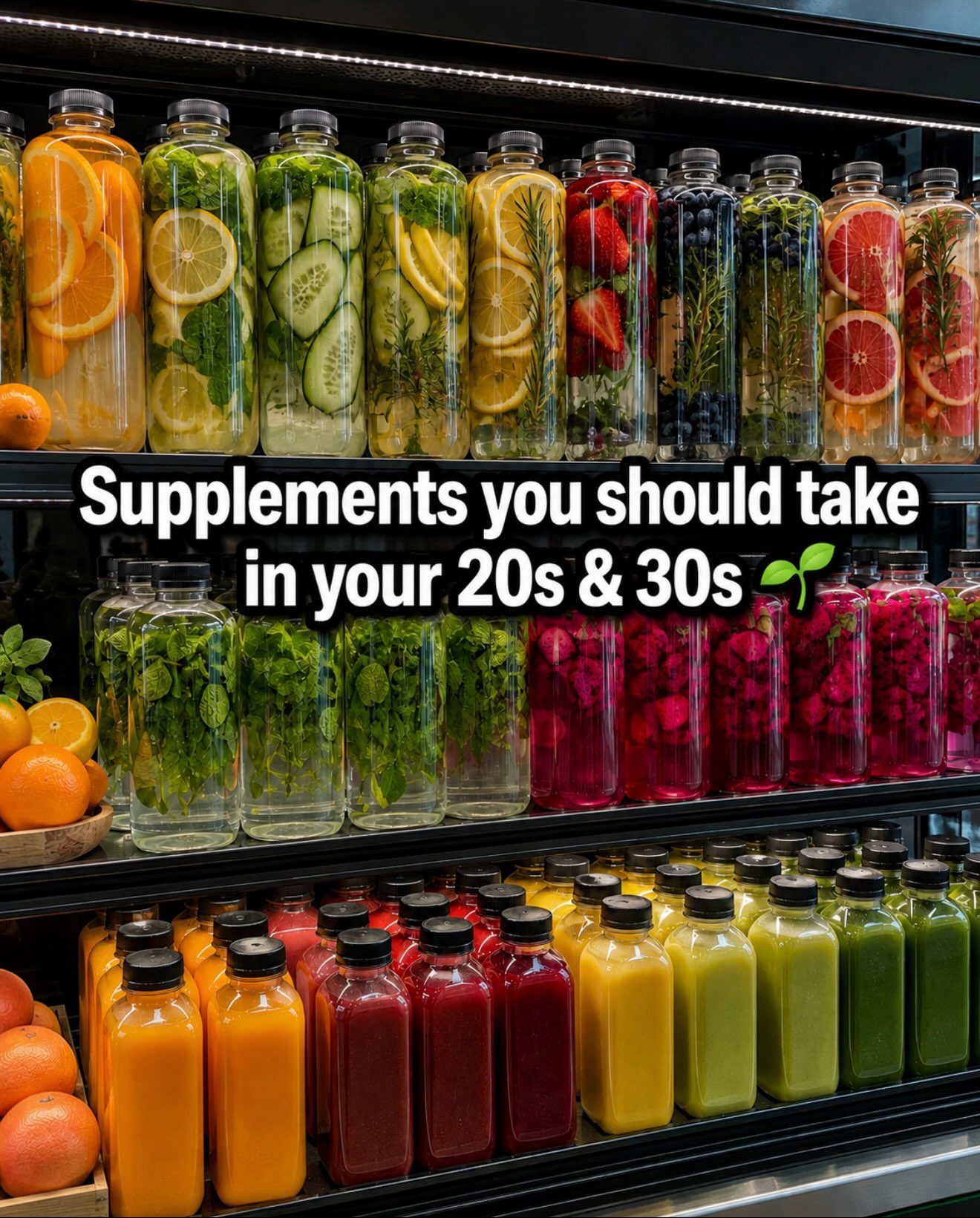
Infused Water
Infused water is a simple and refreshing way to stay hydrated and consume more vitamins and minerals. It involves infusing water with various fruits, vegetables, and herbs. Here are some tips to get you started:
- Flavors and Benefits: Popular combinations include lemon and ginger, cucumber and mint, and berries and basil. Each blend offers unique flavors and potential health benefits.
- Preparation: To make infused water, simply add sliced fruits, vegetables, or herbs to a pitcher or glass bottle of water and let it infuse for a few hours or overnight. For convenience, use reusable infused water bottles.
Practical Tips
- Consult a Professional: Always consult a healthcare provider before starting any supplement regimen. They can provide personalized advice based on your health history and current medication.
- Read Labels: Look for transparent labels and reputable third-party testing. This ensures you are getting a high-quality product.
- Avoid Trendy Supplements: Don’t buy supplements simply because they are trending. Focus on those that fill a genuine gap in your diet or health regimen.
- Stay Balanced: Supplements should complement a balanced diet, regular exercise, and adequate sleep. They are not a replacement for these essentials.
- Use Apps for Tracking: Apps like Workit can help you stay consistent with your workouts, daily movement, and nutrition.
Important Takeaways
- Personalized Approach: Your supplement choices should be tailored to your specific needs, taking into account your diet, lifestyle, medications, and health history.
- Quality Matters: Look for high-quality, reputable brands and avoid trendy supplements that may not deliver on their claims.
- Consult Professionals: Always seek advice from a healthcare provider before starting any new supplement regimen.
- Balance is Key: Supplements should complement a balanced lifestyle, not replace it.
Conclusion
Supplements can be a valuable addition to your wellness routine, but they should be chosen thoughtfully. Understanding the specific benefits and potential drawbacks of common supplements can help you make informed decisions. Whether you're considering probiotics, omega-3 fish oil, vitamin D3, or vitamin B12, always prioritize quality, consult professionals, and maintain a balanced lifestyle.
Watch the Reel
Questions readers ask
What are the benefits of taking probiotics in my 20s and 30s?
Probiotics support gut health, which is linked to improved digestion, enhanced immune function, and even better mental health. They can help maintain a healthy balance of bacteria in the gut, which is particularly important in your 20s and 30s when lifestyle factors might disrupt this balance.
Why is omega-3 fish oil a recommended supplement for young adults?
Omega-3 fish oil is rich in EPA and DHA, essential fatty acids that support heart health, brain function, and reduce inflammation. For those in their 20s and 30s, it can be beneficial for maintaining cardiovascular health and cognitive function, especially if dietary intake of fish is low.
How does vitamin D3 supplementation benefit individuals in their 20s and 30s?
Vitamin D3 aids in calcium absorption, which is crucial for bone health. It also plays a role in immune function and may help reduce the risk of chronic diseases. Supplements can be especially beneficial if you have limited sun exposure or a diet low in vitamin D-rich foods.
What role does vitamin B12 play in the health of people in their 20s and 30s?
Vitamin B12 is essential for energy production, DNA synthesis, and the maintenance of the nervous system. It's particularly important for those following plant-based diets, as B12 is primarily found in animal products. Supplementation can help prevent deficiencies that may lead to fatigue and neurological issues.
Can supplements replace a healthy lifestyle in my 20s and 30s?
No, supplements should complement a healthy lifestyle, not replace it. They work best when combined with a balanced diet, regular exercise, and adequate sleep. Always consider your overall health and consult a healthcare provider to determine the best supplement regimen for you.
How do I choose the right supplements for my needs in my 20s and 30s?
Choosing the right supplements involves considering your dietary needs, lifestyle, medications, and health history. It’s often helpful to consult with a healthcare provider or a nutritionist. They can provide personalized recommendations based on your specific circumstances and may even suggest bloodwork to identify any deficiencies.
Recent articles
Fresh deep dives from the latest Reels we unpacked.




Comments
Be the first to comment.