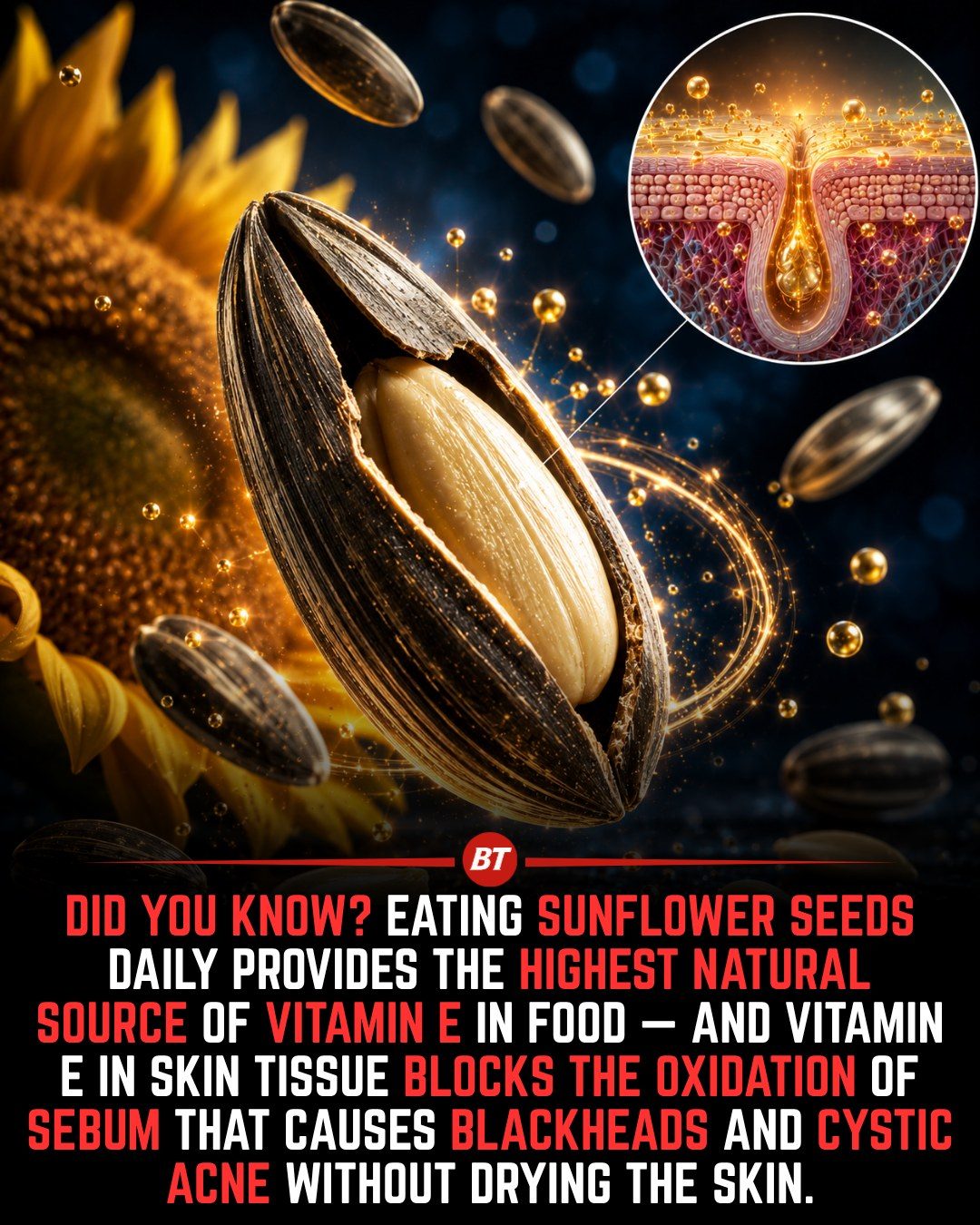
Sunflower Seeds and Skin Health
Sunflower seeds are a powerhouse of nutrients, particularly when it comes to supporting skin health. Among their many benefits, the high concentration of Vitamin E stands out. This potent antioxidant plays a crucial role in protecting the skin from oxidative stress and maintaining its overall health.
Why this Matters
Oxidative stress is a significant factor in skin aging and various skin issues, including acne. Vitamin E, with its antioxidant properties, helps neutralize free radicals that can damage skin cells. This is particularly important for maintaining the integrity of the skin's natural barrier, which is essential for keeping the skin hydrated and protecting it from external factors.
The Role of Vitamin E in Skin Health
Vitamin E is a fat-soluble antioxidant that integrates into the skin's outer layers. This integration allows it to protect cell membranes and sebum, the natural oil produced by the skin. When sebum becomes excessively oxidized by free radicals, it can contribute to clogged pores and inflammation, leading to conditions like blackheads and cystic acne. Vitamin E helps defend these delicate skin lipids against oxidative damage, supporting the skin's natural barrier and overall health.
Sunflower Seeds: A Rich Source of Vitamin E
Sunflower seeds are among the highest natural food sources of Vitamin E. They provide around 7 milligrams per ounce, which is nearly half of an adult's daily requirement. In addition to Vitamin E, sunflower seeds offer a host of other nutrients that support skin health, including healthy unsaturated fats, selenium, magnesium, and plant compounds. These nutrients work together to reduce oxidative stress throughout the body and promote healthy skin.
Research Findings
Research published in the Nutrients journal and the Journal of Clinical and Aesthetic Dermatology has demonstrated the importance of Vitamin E in skin health. Studies show that Vitamin E helps maintain skin integrity and protects against oxidative damage, which can contribute to acne development. While acne is influenced by multiple factors, including hormones, genetics, inflammation, and the skin microbiome, eating sunflower seeds as part of a nutrient-rich diet can be a valuable addition to maintaining healthy skin.
Additional Benefits of Sunflower Seeds
Sunflower seeds are not only rich in Vitamin E but also contain other nutrients that are beneficial for overall health. They are a good source of:
- Healthy unsaturated fats: These fats support heart health and help maintain skin elasticity.
- Selenium: This mineral plays a role in protecting the skin from damage caused by UV rays.
- Magnesium: This mineral is essential for various bodily functions, including skin health.
- Plant compounds: These compounds have antioxidant and anti-inflammatory properties that support skin health and reduce oxidative stress.
Practical Tips
Incorporating sunflower seeds into your daily diet is easy and can be a delicious way to boost your Vitamin E intake. Here are some tips:
- Snack time: Enjoy a small handful (about ¼ cup) of unsalted sunflower seeds as a quick and nutritious snack.
- Breakfast boost: Sprinkle sunflower seeds over your oatmeal or yogurt for an added crunch and nutritional boost.
- Salad topper: Add sunflower seeds to your salads for extra flavor and texture.
- Cooking ingredient: Use sunflower seeds in your cooking or baking, such as in granola or bread.
Remember, while sunflower seeds offer many benefits, they should be part of a balanced diet that includes a variety of nutrient-rich foods.
Important Takeaways
- Sunflower seeds are a rich natural source of Vitamin E, a powerful antioxidant that supports skin health.
- Vitamin E helps protect the skin from oxidative stress and maintains the skin's natural barrier.
- Sunflower seeds also provide other nutrients like healthy fats, selenium, and magnesium, which support overall health.
- While sunflower seeds can be a valuable addition to a nutrient-rich diet, they should not be relied upon as a sole solution for skin issues like acne.
Conclusion
Sunflower seeds are a versatile and nutritious addition to any diet, offering significant benefits for skin health. Their high Vitamin E content makes them a powerful ally in the fight against oxidative stress and its potential effects on the skin. By incorporating sunflower seeds into your daily routine, you can support your skin's natural barrier and promote overall health.
Watch the Reel
Questions readers ask
Why are sunflower seeds beneficial for my skin?
Sunflower seeds are packed with Vitamin E, a potent antioxidant that helps protect your skin from damage caused by oxidative stress. By neutralizing free radicals, Vitamin E supports your skin's natural barrier, promoting overall skin health and reducing the risk of various skin issues like acne.
What are the benefits of eating sunflower seeds daily?
Incorporating a small handful of sunflower seeds into your daily diet can provide a significant boost to your skin health. The high concentration of Vitamin E in these seeds helps maintain skin hydration and protect it from external factors, contributing to a healthier, more resilient complexion.
What is oxidative stress, and how do sunflower seeds help?
Oxidative stress occurs when there is an imbalance of free radicals and antioxidants in the body, leading to skin damage and aging. Sunflower seeds, rich in Vitamin E, help counteract this by providing a natural source of antioxidants that neutralize free radicals and protect the skin from acute stress-related damage.
Can sunflower seeds help with acne?
Yes, sunflower seeds can help reduce the risk of acne by supporting the skin's natural barrier. The Vitamin E in sunflower seeds promotes overall skin health, which can help minimize the likelihood of acne breakouts and improve your complexion.
How do sunflower seeds support the skin's natural barrier?
The Vitamin E in sunflower seeds plays an essential role in strengthening the skin's natural barrier. By neutralizing free radicals, it helps maintain the skin's hydration and protects it from environmental factors, ensuring that the skin remains healthy and resilient.
What are some healthy skin tips involving sunflower seeds?
Incorporating sunflower seeds into your diet is a simple and delicious way to boost your skin health. Enjoy a small handful as a snack, sprinkle them on salads, or add them to your favorite yogurt. Their high Vitamin E content can complement your existing skincare routine by nourishing your skin from within.
What role do antioxidants play in maintaining healthy skin?
Antioxidants, like the Vitamin E found in sunflower seeds, are vital for maintaining healthy skin. They work by neutralizing free radicals that cause oxidative stress and subsequent skin damage. By doing so, antioxidants help slow down the visible signs of aging and support the skin's natural barrier function.
Related deep dives
Similar reads based on topic and creator.




Recent articles
Fresh deep dives from the latest Reels we unpacked.




Comments
Be the first to comment.