The Sustained Sugarcane Harvesting Method in Brazil
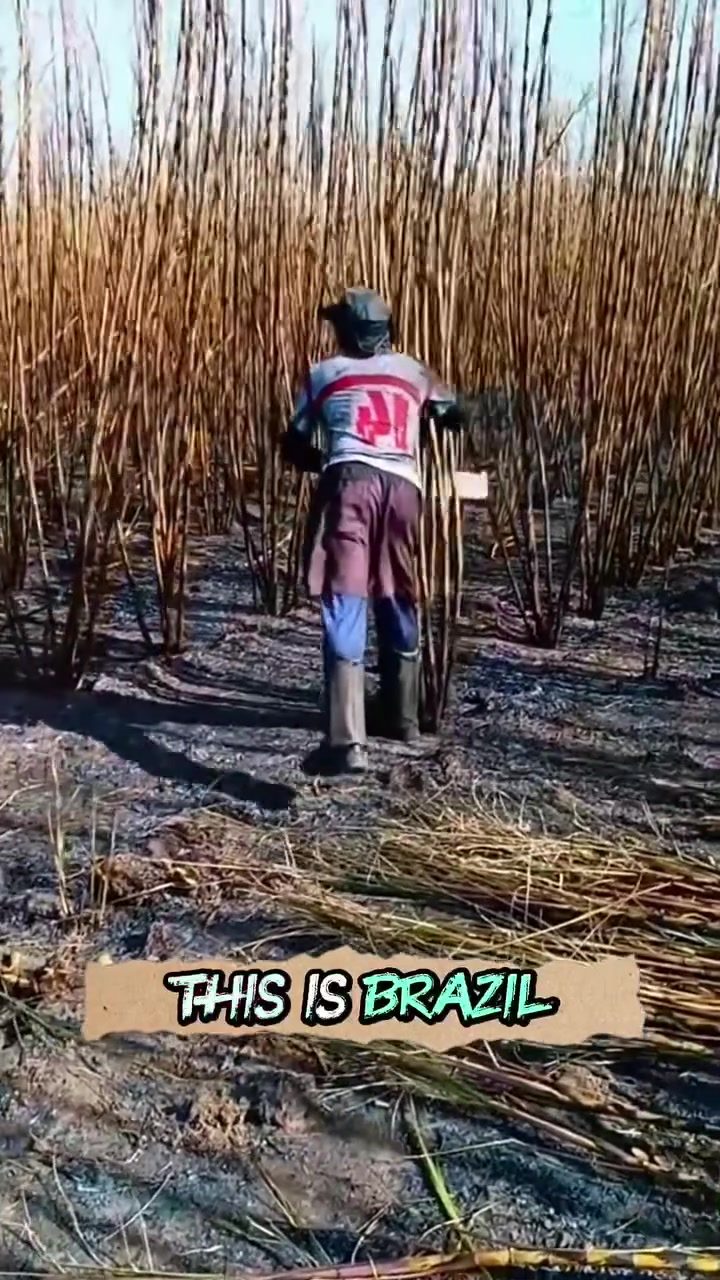
Sugarcane harvesting is a labor-intensive process, especially in Brazil, where local workers often rely on manual labor to cut the stalks. One of the most striking aspects of this process is the deliberate burning of entire fields before harvesting. This practice, while initially surprising, serves several practical purposes that improve efficiency and sustainability.
Context / Why This Matters
Sugarcane is a critical crop in Brazil, an essential component of the country's economy, particularly in the production of sugar and ethanol. The harvesting process is meticulously planned to maximize efficiency and minimize costs, which is why the burning of fields is a deliberate and strategic choice. This practice, while eye-catching, reduces transportation costs and enhances the overall sustainability of the crop.
Main Discussion
The Purpose of Setting Fire to Fields
When the fields are set on fire, the primary goal is to burn away the excess leaves. This practice simplifies the harvesting process by removing the dense layers of leaves that surround the stalks of sugarcane. With fewer leaves to contend with, workers can more easily cut and bundle the sugarcane.
The Science Behind The Process
The burning process is carefully controlled to ensure that it does not damage the sugarcane itself. The sugarcane's thick, outer layer provides a protective barrier, ensuring that the internal parts of the plant remain unaffected by the short burn. This means that the sugarcane remains unharmed, ready for efficient transportation and processing.
Economic and Logistical Benefits
The benefits of this method extend beyond just the harvesting process. Once the leaves are burned away, the sugarcane stalks become lighter and take up less space. This significantly reduces transportation costs. The lighter load also means that the crushing process in factories becomes more efficient, as fewer resources are needed to handle the sugarcane.
Environmental Impacts
The environmental impact of this method is also a significant consideration. After the burning process, the nutrients from the leaves are returned to the soil, enriching it and providing essential nutrients for future growth. This cycle helps to maintain the health of the soil, ensuring that the sugarcane can grow better in subsequent seasons.
Practical Tips for those Involved in Sugarcane Harvesting
For anyone involved in sugarcane harvesting, understanding the importance of the burning process is key. Proper timing and control of the burn are essential to ensure that the sugarcane is not damaged and that the environmental benefits are maximized. Workers should be trained in the correct techniques to ensure that the process is carried out safely and effectively.
Important Takeaways
When it comes to sugarcane harvesting, especially in Brazil, the practice of setting fire to entire fields before harvesting is a well-thought-out strategy. The benefits range from simplifying the harvesting process to reducing transportation and processing costs. Additionally, the environmental impact is managed through the return of nutrients to the soil, promoting sustainable farming practices.
Conclusion
Overall, the deliberate burning of sugarcane fields before harvesting in Brazil is a meticulously planned process that balances efficiency, cost-effectiveness, and environmental sustainability. This method not only simplifies the harvesting process but also ensures the health of the soil for future crops. By understanding and implementing this practice, farmers and workers can contribute to a more sustainable and efficient sugarcane industry.
Watch the Reel
Questions readers ask
Why do Brazilian farmers burn sugarcane fields before harvesting?
Brazilian farmers burn sugarcane fields to remove excess leaves, making the harvesting process more efficient. This practice also simplifies the harvesting process and reduces the amount of material that needs to be transported, lowering overall costs.
Is burning sugarcane fields harmful to the crop?
No, the controlled burn does not harm the sugarcane stalks. The process is carefully managed to ensure that the sugarcane remains intact and ready for processing after the burn.
What are the primary benefits of burning sugarcane fields?
The primary benefits include enhanced efficiency in harvesting, reduced transportation costs, and the removal of excess leaves. These factors contribute to the overall sustainability and profitability of sugarcane farming in Brazil.
How does burning sugarcane fields affect the harvesting process?
Burning sugarcane fields simplifies the harvesting process by removing excess leaves, which allows workers to focus on cutting the stalks more efficiently. This streamlined process helps to maximize labor effectiveness and reduce the time needed for harvesting.
What role does burning play in the sustainability of Brazilian sugarcane farming?
Burning sugarcane fields is a strategic choice that enhances sustainability by reducing transportation costs and making the harvesting process more efficient. This practice allows farmers to manage their resources more effectively, ensuring a more sustainable and profitable operation.
Are there alternatives to burning sugarcane fields in Brazil?
While there are alternative harvesting methods, such as mechanical harvesting, burning remains a prevalent practice due to its cost-effectiveness and efficiency. Some farmers may explore greener alternatives, but controlled burns are still widely used in the industry.
How does the burning process impact the local environment and workers?
The controlled burns are designed to minimize environmental impact and protect workers. While the practice involves smoke and fire, it is carried out with safety measures to ensure that local ecosystems and farmworkers are not adversely affected.
Recent articles
Fresh deep dives from the latest Reels we unpacked.




Comments
Be the first to comment.