The Suez Canal: Nimble Geopolitics
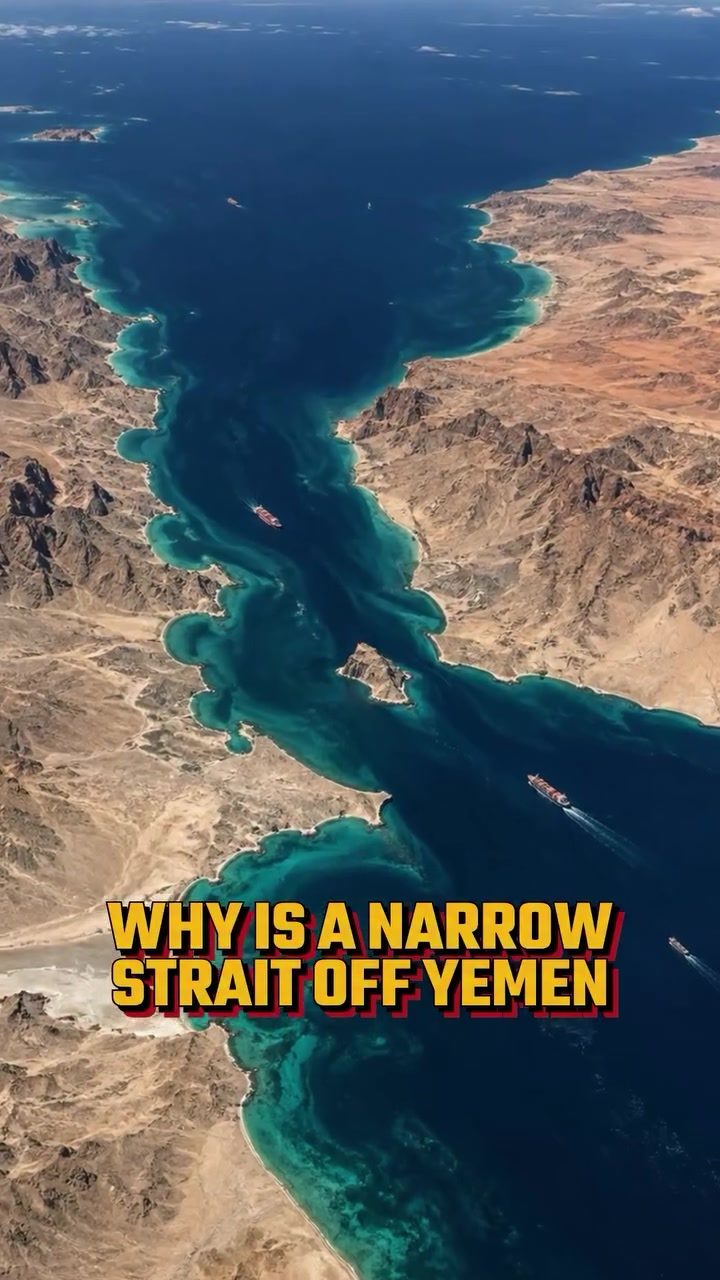
Bab el-Mandeb's narrow span off Yemen has drawn international attention. It's not often a 23-mile-long strait steals the spotlight, but Bab el-Mandeb is no ordinary channel. This slender passage connects the Red Sea with the Gulf of Aden, and feeds the Suez Canal — the maritime bridge between Europe, Africa, and Asia. The strait's importance isn't just geographical. The Suez Canal serves as a critical artery for global shipping, facilitating trade between Asia and Europe. It allows nearly 20,000 ships carrying over 1.04 billion tons of cargo to pass through annually. Closing Bab el-Mandeb would massively disrupt global shipping. No wonder geopolitics are nimble around this area. Ships may shun this route due to high insurance premiums, but the strait and its channels persist. With each passing year, more ships, and more money are invested.
Unpacking the Attack
In September, the narrow southern entrance of the Suez Canal drew heated focus once more. The Houthis, an insurgent group in Yemen, seized the Mocha port, about 80 kilometers away from the canal. The strait remains open, but geopolitical analysts fear renewed disruption. The port of Mocha is a smaller focal point, but it is significant for the sea-lanes of communication and trade. In the real world, sailors and shippers operate between the Red Sea and the Arabian Sea. Sea power usage is paramount for global trade and geopolitical affairs. The handful of carbon emissions from an engine powered by petroleum might just be the most important thing on the line — and no cruise ship or cargo vessel has enough fuel to make port in the Arabian Sea when rerouting around Africa turns a voyage into a lengthy, expensive journey.
Economic Impact of Suez Canal Disruption
The global economic consequences of disrupting the Suez Canal are palpable. Ships rerouting around Africa face significantly longer voyages, resulting in higher fuel costs and extensive delays. Voyage duration can increase by two to three weeks. This impacts shipping schedules and supply chains, resulting in delayed deliveries and increased operational costs. Delays also disrupt production timelines and inventory management, affecting downstream industries. Additionally, the Suez Canal's disruption can drive up insurance premiums. As the canal is a key link between Europe and Asia, ships rerouting around Africa face more extended voyages, higher fuel costs, and extensive delays. The global shipping industry is so global that it extends beyond the Suez Canal, linking Europe and Asia. Ships rerouting around Africa face longer voyages, higher fuel costs, and delays. The Houthis, an insurgent group in Yemen, seized the Mocha port, about 80 kilometers away from the canal. The strait remains open, but the advance raises fears of renewed disruption. “Ships rerouting around Africa face longer voyages, higher fuel costs and delays.”
Watch the Reel
Related deep dives
Similar reads based on topic and creator.
Recent articles
Fresh deep dives from the latest Reels we unpacked.


Comments
Be the first to comment.