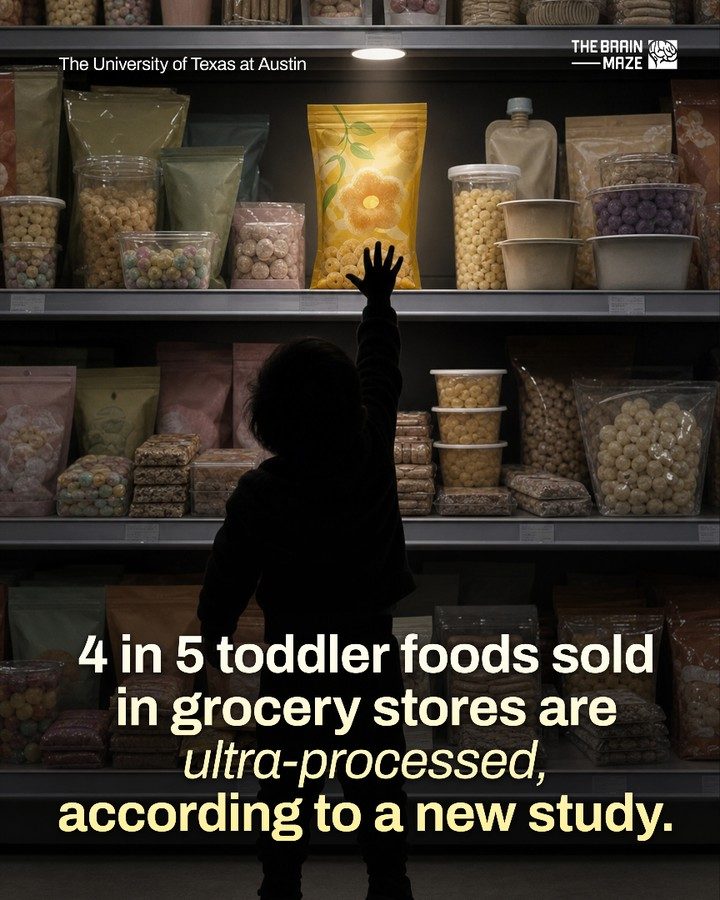
Ultra-Processed Toddler Foods: A Growing Concern
Ultra-processed toddler foods are a significant part of many young children's diets, but not always for the best. Recent studies reveal that the majority of these foods fail to meet essential nutrition standards, which can have substantial implications for children's health and development.
Why This Matters
Toddlerhood is a critical period for establishing healthy eating habits. Children develop preferences and aversions during this time, which can shape their long-term dietary behaviors. The prevalence of ultra-processed foods in toddler diets is concerning because these foods often lack essential nutrients and are high in sugar, sodium, and unhealthy fats. The nutritional content of toddler foods can significantly impact a child's growth, immune function, and overall well-being.
The Prevalence of Ultra-Processed Foods
What Are Ultra-Processed Foods?
Ultra-processed foods are products that have been industrially manufactured and contain numerous additives to enhance shelf life, flavor, and texture. These foods often include high amounts of sugar, salt, and unhealthy fats, as well as additives like preservatives, artificial colors, and flavor enhancers. Examples of ultra-processed foods include ready-to-eat meals, snack foods, and many packaged sweets and beverages.
The Study Findings
A recent study conducted by The University of Texas at Austin revealed alarming statistics. Approximately 4 out of 5 toddler foods sold in grocery stores are ultra-processed. This means that the majority of the foods marketed towards young children are not providing the necessary nutrition for their growth and development.
Nutritional Standards
The World Health Organization (WHO) has established nutrition standards to ensure that food products meet the nutritional requirements of young children. The study found that nearly half of the ultra-processed toddler foods surveyed failed to meet at least one of these standards. This failure indicates that many products contain excessive amounts of sugar, sodium, fat, or calories, which can adversely affect a child's diet and health.
Examining the Nutritional Content
Excessive Sugar and Salt
One of the primary issues with ultra-processed foods is their high sugar and salt content. Excessive sugar intake can lead to dental problems, obesity, and even type 2 diabetes. High sodium levels can contribute to elevated blood pressure and an increased risk of heart disease later in life. Toddlers, whose kidneys are not yet fully developed, are particularly vulnerable to the effects of excessive salt intake.
Unhealthy Fats
Many ultra-processed foods contain unhealthy fats, such as trans fats and saturated fats, which can increase the risk of cardiovascular diseases and obesity. Trans fats, in particular, are known to raise "bad" cholesterol levels while lowering "good" cholesterol levels, leading to plaque buildup in the arteries.
The Impact on Health and Development
Growth and Development
Proper nutrition is essential for a child's physical growth and cognitive development. Ultra-processed foods, lacking in essential nutrients such as vitamins, minerals, and fiber, can hinder a child's growth. Additionally, the high sugar and fat content can lead to excessive weight gain, which can affect a child's ability to engage in physical activities and develop motor skills.
Immune Function
A well-balanced diet rich in vitamins, minerals, and antioxidants supports a strong immune system. Ultra-processed foods often fall short in providing these essential nutrients, making children more susceptible to infections and illnesses. Proper nutrition is especially important for toddlers, whose immune systems are still developing and need adequate support to fight off infections.
Cognitive and Behavioral Development
Nutrition plays a crucial role in a child's cognitive and behavioral development. Essential nutrients like iron, zinc, and omega-3 fatty acids are crucial for brain development and cognitive function. Deficiencies in these nutrients can lead to learning disabilities, behavioral issues, and developmental delays. Ultra-processed foods often lack these essential nutrients, potentially impacting a child's long-term cognitive and behavioral health.
Practical Tips for Choosing Healthier Options
When selecting foods for young children, it's crucial to focus on whole, nutrient-dense foods. Here are some practical tips to help you make healthier choices:
Read Labels Carefully
Reading food labels is essential for ensuring that the products you choose are nutritious and safe for your child. Look for foods that are low in sugar, sodium, and unhealthy fats and high in essential nutrients like vitamins, minerals, and fiber. Avoid foods with long lists of ingredients, especially those containing artificial additives and preservatives.
Opt for Whole Foods
Whole foods, such as fruits, vegetables, whole grains, and lean proteins, are the best choices for young children. These foods provide the necessary nutrients for growth and development and are free from the harmful additives found in many ultra-processed foods.
Prepare Foods at Home
Preparing meals at home allows you to control the ingredients and ensure that your child's diet is balanced and nutritious. You can incorporate a variety of fruits, vegetables, whole grains, and lean proteins into your child's meals, providing them with the essential nutrients they need for healthy growth and development.
Choose Healthy Snacks
Snack time is an excellent opportunity to offer your child nutritious foods. Opt for healthy snacks like fresh fruits, vegetables, yogurt, and whole-grain crackers instead of ultra-processed snacks. These snacks provide essential nutrients and are free from harmful additives.
Limit Ultra-Processed Foods
While it's challenging to completely avoid ultra-processed foods, it's essential to limit their consumption. When choosing packaged foods, opt for those with minimal processing and natural ingredients.
Important Takeaways
The Prevalence of Ultra-Processed Foods
The study from The University of Texas at Austin revealed that 4 out of 5 toddler foods sold in grocery stores are ultra-processed, highlighting the need for greater awareness and more informed choices among parents and caregivers.
Nutritional Standards Matter
Nearly half of these ultra-processed foods fail to meet at least one of the World Health Organization's nutrition standards, indicating the importance of checking labels to ensure that the foods you choose are nutritious and safe for your child.
Choose Whole, Nutrient-Dense Foods
Opting for whole, nutrient-dense foods and preparing meals at home can help ensure that your child's diet is balanced and provides the essential nutrients needed for growth and development.
The Impact on Health and Development
Proper nutrition is crucial for a child's physical growth, cognitive and behavioral development, and immune function. Choosing healthier food options supports your child's long-term health and well-being.
Conclusion
The prevalence of ultra-processed foods in toddler diets is a growing concern. By understanding the nutritional content of these foods and making informed choices, you can support your child's healthy growth and development. Focus on whole, nutrient-dense foods, and limit the consumption of ultra-processed foods to ensure that your child receives the essential nutrients needed for a healthy and balanced diet.
Watch the Reel
Questions readers ask
What are ultra-processed foods and why are they concerning for toddlers?
Ultra-processed foods are products that undergo extensive industrial processing and contain many added ingredients like sugar, sodium, and unhealthy fats. They are concerning for toddlers because they often lack essential nutrients needed for growth and development and can contribute to unhealthy eating habits.
How do ultra-processed foods impact a toddler's diet?
Ultra-processed foods can have a significant impact on a toddler's diet. They often replace more nutritious options, leading to imbalances in essential nutrients. Additionally, the high sugar, sodium, and unhealthy fat content can contribute to health risks such as obesity and poor overall health.
What are the essential nutrients that toddlers need?
Toddlers require a balance of essential nutrients for healthy growth. These include proteins, vitamins (such as A, C, and D), minerals (like iron and calcium), and healthy fats. These nutrients support brain development, immune function, and overall physical growth.
Are there any guidelines for toddler nutrition?
Several organizations, including the World Health Organization, provide guidelines for toddler nutrition. These guidelines emphasize the importance of a balanced diet rich in fruits, vegetables, whole grains, and lean proteins. They also recommend limiting processed foods and sugars.
How can parents identify healthier toddler food options in grocery stores?
To find healthier toddler food options, parents should look for products with simple, recognizable ingredients and minimal processing. They should aim for foods that are high in essential nutrients and low in added sugars, sodium, and unhealthy fats.
Related deep dives
Similar reads based on topic and creator.


Recent articles
Fresh deep dives from the latest Reels we unpacked.




Comments
Be the first to comment.