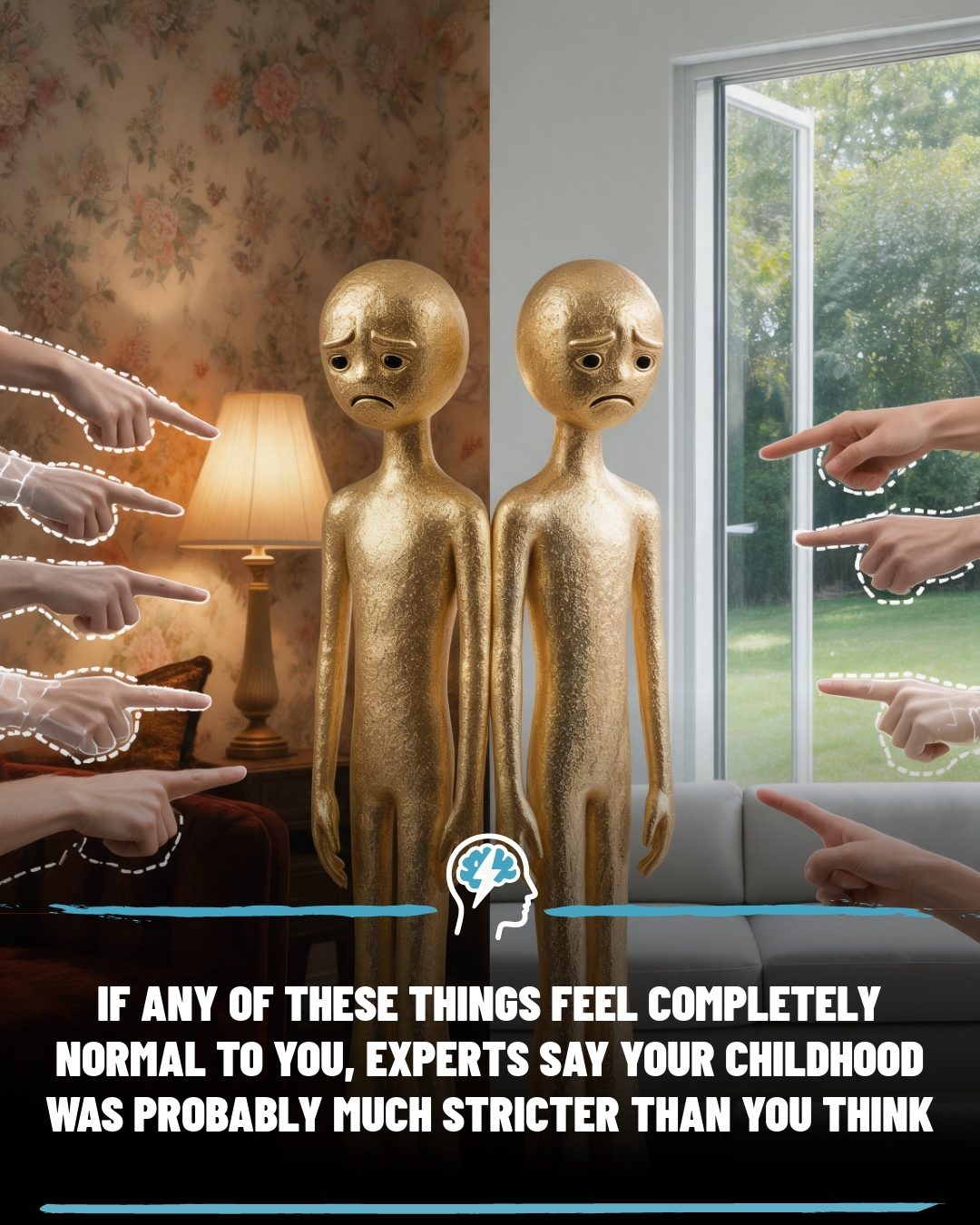
Strict Parenting: The Lingering Impact on Adult Behavior
Strict parenting can have a profound and lasting effect on an individual's behavior and decision-making processes well into adulthood. The influence of strict upbringing often goes unnoticed, only making itself apparent in subtle behaviors and coping mechanisms. Understanding these mechanisms and their origins is essential for recognizing and addressing their impacts.
Context: Why This Matters
Even when parents have good intentions, the rigid rules and high expectations of strict parenting can leave a deep mark on a child's subconscious. This mark can affect how individuals navigate adult life, leading to behaviors that seem normal to them. Recognizing these behaviors as coping mechanisms rather than inherent traits can be the first step toward healing and personal growth.
Uncovering Childhood Patterns in Adult Behavior
Coping Mechanisms and Adult Decisions
Many adults who grew up in strict environments carry habits that they believe are simply part of their personality. These traits are often coping mechanisms developed in response to the strict parenting style. Some common signs to watch for include needing permission or approval before making small decisions, apologizing excessively, and reading too much into neutral tones or looks. These behaviors are often rooted in a fear of punishment or disapproval, a lingering effect of strict upbringing.
The Perfectionism Trap
One of the most insidious effects of strict parenting is the development of perfectionism. When mistakes are met with punishment rather than guidance, children learn that anything less than perfect is unsafe. This fear of failure can follow individuals into adulthood, manifesting as chronic stress and a constant sense of inadequacy. Even achievements may not feel like wins, as the mind is already focused on the next goal. This relentless pursuit of perfection can be incredibly taxing, leading to burnout and a constant state of anxiety.
The Subconscious Impact of Strict Parenting
Hidden Patterns and Lies
To navigate strict households, children often become adept at hiding things and telling small lies to avoid trouble. These skills do not disappear with age; instead, they manifest in adulthood as habits of concealing mistakes or feelings from partners and coworkers. Recognizing these patterns is crucial for understanding their origins and addressing them effectively. It's important to understand that these behaviors are not inherent but are learned responses to a strict upbringing.
Practical Tips for Recognizing and Addressing These Patterns
Awareness and Self-Reflection
Starting the healing process involves self-awareness. Recognizing that old rules no longer apply is the first step. It's essential to understand that these coping mechanisms are a response to past experiences and not a reflection of current capabilities. By acknowledging this, individuals can begin to take down the emotional walls they built for survival and adopt healthier coping strategies.
Seeking Professional Help
For some, addressing these deeply rooted behaviors may require professional help. Therapy can provide a safe space to explore these patterns and develop new, healthier ways of thinking and behaving. A therapist can guide individuals through the process of recognizing and addressing these coping mechanisms, helping them to break free from their past and live more fulfilling lives.
Building a Support System
Building a supportive network of friends and family can also be beneficial. Sharing experiences and seeking support from others who have similar backgrounds can provide validation and encouragement. Knowing that others have gone through similar experiences can help individuals realize they are not alone and that change is possible.
Important Takeaways
The impact of strict parenting can be far-reaching and deeply ingrained. Recognizing the signs and understanding the roots of these behaviors is the first step toward addressing them. Awareness, self-reflection, and seeking professional help when necessary can all play a crucial role in the healing process. It is important to remember that the past does not define the future, and change is always possible.
Conclusion
Strict parenting can have a lasting impact on individuals, influencing their behaviors and decisions in adulthood. By recognizing these patterns and understanding their origins, individuals can begin the process of healing and personal growth. Taking the first step toward self-awareness and seeking support can lead to a more fulfilling and less stressful life.
Watch the Reel
Questions readers ask
How does strict parenting influence adult decision-making processes?
Strict parenting can lead adults to make decisions based on deeply ingrained rules and expectations from their upbringing. This often results in a cautious approach to life, as well as a tendency to prioritize safety and predictability over spontaneity and risk-taking. Individuals may also find it challenging to make decisions that go against the strict rules they grew up with, even when those decisions would be beneficial for their personal growth.
What are some common coping mechanisms developed from strict parenting?
Adults raised under strict parenting may develop coping mechanisms such as perfectionism, people-pleasing, or avoidance of conflicts and difficult situations. They might also struggle with assertiveness and setting boundaries, as these behaviors were often discouraged or punished during their upbringing. Recognizing these patterns can help individuals address them and develop healthier coping strategies.
Why might individuals from strict parenting backgrounds struggle with adult life?
Individuals from strict parenting backgrounds may struggle with adult life due to an over-reliance on rigid rules and expectations. This can make it difficult for them to adapt to new situations, take on challenges, and navigate the complexities of adulthood. Additionally, they may have a hard time developing a strong sense of self and personal identity, as their decisions and behaviors were often dictated by external rules rather than their own desires and needs.
How can understanding the impact of strict parenting help in personal growth?
By recognizing the long-term effects of strict parenting, individuals can begin to identify and challenge the harmful patterns and behaviors that originated from their upbringing. This awareness can open the door to personal growth, as individuals can start making conscious decisions that align with their own values and needs, rather than being driven by old rules and expectations.
Can the effects of strict parenting be reversed or mitigated in adulthood?
While the effects of strict parenting cannot be entirely undone, they can be mitigated and managed through self-awareness and intentional effort. Therapy, self-reflection, and personal development can help individuals address and overcome the challenges posed by their upbringing. Building a strong support network and cultivating a compassionate understanding of one's past can also contribute to a more fulfilling and balanced adult life.
Related deep dives
Similar reads based on topic and creator.



Recent articles
Fresh deep dives from the latest Reels we unpacked.




Comments
Be the first to comment.