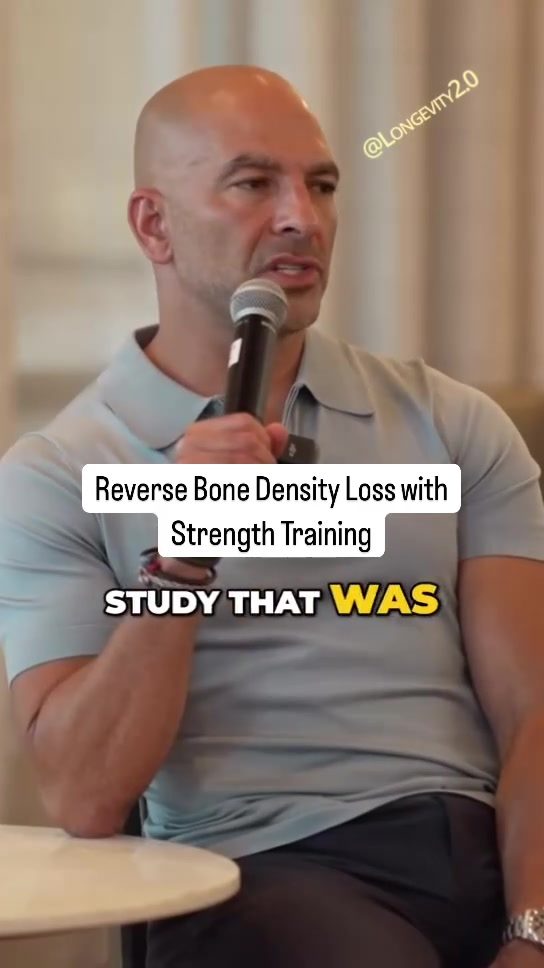
Strength Training and Bone Density
Strength training, long known for its muscle-building benefits, also plays a pivotal role in improving bone health, especially for those with low bone density. Recent studies have shown that strength training can potentially reverse bone density loss, a condition that was previously thought to only be manageable, not reversible.
Why This Matters
Bone density naturally decreases with age, leading to conditions like osteoporosis, where bones become fragile and prone to fractures. This is particularly concerning for older adults, especially women, who are at a higher risk. Traditional approaches to managing bone density loss have focused on maintaining bone density through light exercise and medication. However, recent research suggests that strength training can do more than just maintain bone density—it can significantly increase it.
The Study and Its Findings
The Participants and Methodology
A groundbreaking study involved a group of women, all over 65 years old, with very low bone density. These women were not sedentary; they engaged in light exercises like yoga and walking. However, they had never participated in weightlifting or strength training. The women were randomly divided into two groups: one group continued their light exercise regimen, while the other engaged in heavy strength training.
The strength training group focused on hardcore powerlifting exercises, including squats, deadlifts, and other compound movements. These exercises are not just about lifting small weights; they involve significant resistance and full-body engagement. The goal was to push these women to their physical limits, challenging them to lift weights that were close to or even exceeded their body weight.
The Results
The results were remarkable. By the end of the study, women in the strength training group showed significant improvements in muscle strength and bone density.
The most surprising finding was that these women, who initially looked frail and had very low bone density, were able to lift their own body weight, perform deadlifts, and do other heavy lifts. This transformation was not just about muscle strength; the CT scans of their bones revealed a significant increase in bone density. This defied the conventional wisdom that the best one could hope for was to maintain bone density, especially at an older age.
The Importance of Heavy Strength Training
The Role of Load
The key to these positive outcomes was the load—the weight used in the exercises. Unlike light resistance training, which might involve small dumbbells or resistance bands, the women in the study performed heavy lifts. This type of training places significant stress on the bones, which in turn stimulates bone growth and density. The body responds to this stress by depositing more bone material, making the bones stronger and denser.
Targeted Exercises
The exercises chosen for the study were not random; they were selected for their ability to engage multiple muscle groups and place significant stress on the bones. Squats, deadlifts, and other compound movements are particularly effective because they involve the entire body, from the core to the extremities. These exercises not only build muscle but also stimulate bone growth in multiple areas of the body.
Practical Tips for Incorporating Strength Training
Start Slowly
If you're new to strength training, it's important to start slowly and build up gradually. This is especially true for older adults or those with existing health conditions. Begin with lighter weights and simpler exercises, focusing on proper form and technique. As your strength and confidence grow, you can gradually increase the weight and intensity of your workouts.
Focus on Compound Movements
Compound movements like squats, deadlifts, lunges, and bench presses are particularly effective for building strength and bone density. These exercises engage multiple muscle groups and place significant stress on the bones, stimulating bone growth and density.
Incorporate Variety
Variety is key to a well-rounded strength training program. Include a mix of exercises that target different muscle groups and bone areas. This not only keeps your workouts interesting but also ensures that you're getting a comprehensive strength and bone-building workout.
Consider Professional Guidance
Working with a certified trainer or physical therapist can be beneficial, especially if you're new to strength training or have specific health concerns. They can provide personalized guidance and ensure that you're performing exercises safely and effectively.
Important Takeaways
Strength Training is for Everyone
Strength training is not just for athletes or bodybuilders; it's for everyone, regardless of age or fitness level. Whether you're looking to build muscle, improve bone health, or simply stay active, strength training can play a crucial role.
Bone Health is Dynamic
Bone health is not static; it's a dynamic process that can be influenced by lifestyle choices, including exercise. By engaging in regular strength training, you can actively improve your bone density and overall bone health.
Age is No Barrier
Age should not be a barrier to strength training. In fact, it's especially important for older adults to engage in strength training to counteract the natural decline in bone density that comes with aging.
Conclusion
Strength training is a powerful tool for improving bone health, especially for those with low bone density. By engaging in heavy strength training, individuals can not only build muscle but also significantly increase their bone density. This transformation is possible at any age, and it offers a promising approach to managing and even reversing bone density loss. Whether you're new to strength training or a seasoned lifter, incorporating heavy lifts into your routine can have a profound impact on your overall health and well-being.
Watch the Reel
Questions readers ask
How can strength training help reverse bone density loss in individuals over 65?
Strength training helps by applying force to bones, which stimulates bone-forming cells to strengthen and thicken bones. This can reverse bone density loss, a condition often associated with aging and osteoporosis. Regular strength training can also improve balance and reduce the risk of falls, further protecting bone health.
What are some effective strength training exercises for seniors?
Senior-specific strength training exercises include chair squats, leg lifts, and resistance band workouts. These exercises target major muscle groups and are safe and effective for older adults. It's also beneficial to incorporate balance and flexibility exercises, such as tai chi, for overall bone health.
How often should seniors perform strength training to improve bone density?
Seniors should aim to perform strength training exercises at least 2-3 times per week to see significant improvements in bone density. Each session should include 8-10 exercises, with 2-3 sets of 10-12 repetitions each. Always ensure proper form and consider consulting a healthcare provider before starting a new exercise regimen.
Can strength training benefit women over 65 more than men?
Women over 65 can particularly benefit from strength training due to their higher risk of osteoporosis and bone fractures. Strength training can help maintain and even build muscle mass and bone density, which are crucial for preserving bone health and independence in later life. It's never too late for women to start exercising and enjoy the benefits of strength training.
What are the advantages of strength training for seniors over traditional bone density maintenance methods?
Unlike traditional methods, strength training offers a more active approach to bone health, not only maintaining but also potentially reversing bone density loss. Additionally, strength training helps build muscle mass, improve balance, and boost metabolism, providing a more comprehensive approach to overall health and fitness.
Can seniors with osteoporosis safely perform strength training?
Yes, seniors with osteoporosis can safely perform strength training, but it's essential to consult a healthcare provider first. They can guide you through exercises that are safe and beneficial for your specific condition. Focus on low-impact exercises and avoid high-impact movements or heavy lifting to minimize the risk of fractures.
Recent articles
Fresh deep dives from the latest Reels we unpacked.




Comments
Be the first to comment.