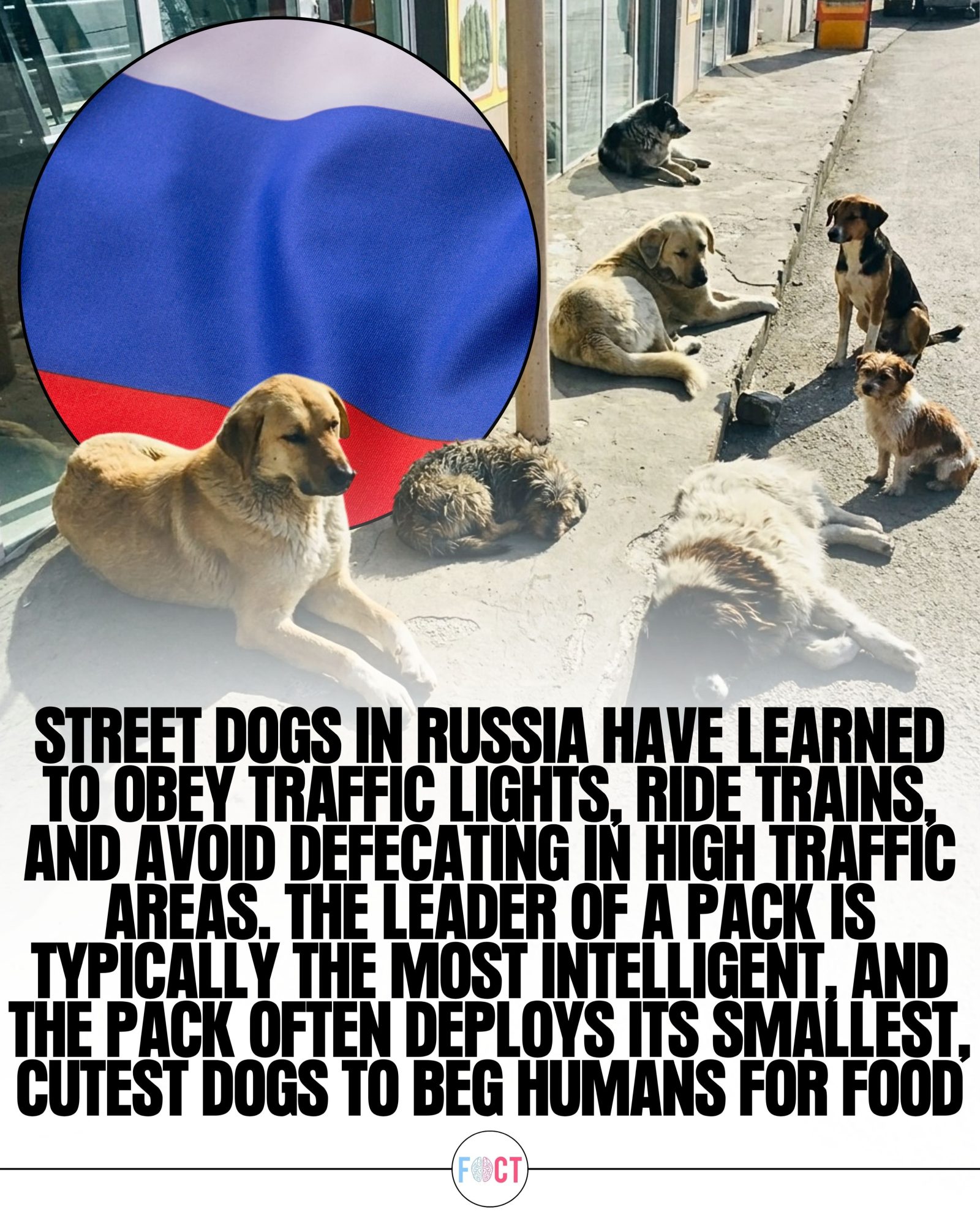
Street Dogs in Russia
Street dogs in Russia, particularly in Moscow, have developed remarkable adaptations to urban life, making them a unique and intriguing subject of study. These dogs have not only learned to coexist with humans but also to navigate the city's infrastructure with surprising intelligence.
Why This Matters
Understanding the behavior and adaptations of street dogs in Russia offers insights into animal intelligence, urban ecology, and the dynamics of human-animal interactions in crowded cities. These dogs play a significant role in maintaining the city's cleanliness and controlling the rodent population. Their behaviors, such as obeying traffic lights and using public transportation, highlight their adaptability and problem-solving skills.
Adaptations of Street Dogs in Russia
Urban Navigation Skills
Street dogs in Moscow have developed an uncanny ability to navigate the city's complex traffic system. They understand the rules of traffic lights, waiting patiently for the green light before crossing the street. This behavior is not just a matter of coincidence but a learned response to the urban environment. Observations show that dogs often wait for the pedestrian crossing signals, indicating a level of comprehension of human traffic rules.
Public Transportation
One of the most striking adaptations is the use of public transportation. These dogs frequently ride the Metro, the city's extensive subway system. This behavior is not just about travel but also about accessing food and shelter. By riding the Metro, dogs can cover large distances efficiently, avoiding the dangers of street travel. This behavior suggests a high level of spatial awareness and the ability to plan routes.
Social Structure and Behaviors
Street dogs in Russia operate in packs with a clear hierarchy. The leader of the pack is typically the most intelligent, guiding the group's decisions and strategies. Smaller, cuter dogs are often deployed to beg for food from humans. This division of labor within the pack showcases their social intelligence and cooperative behavior.
Hygiene and Survival
Street dogs in Moscow have adapted to avoid defecating in high-traffic areas, which helps maintain the city's cleanliness. This behavior is not only beneficial for humans but also for the dogs themselves, as it reduces the risk of disease and conflict with humans. This adaptation demonstrates their understanding of environmental hygiene and social norms.
Historical Context
In the 1990s, the street dog population in Moscow surged, leading to increased human-dog conflicts. The dogs were often hunted and killed, but this harsh approach did not solve the problem. In recent years, a more humane strategy has been adopted. Dogs are caught, neutered, and provided with enough food. This shift in policy has reduced the dog population in a controlled manner and improved their living conditions.
Practical Tips for Interacting with Street Dogs
Interacting with street dogs requires caution and understanding. Here are some practical tips:
Safety First
Always approach street dogs with caution. Even if they appear friendly, they may react unpredictably. Avoid sudden movements and keep a safe distance.
Feeding
Feeding street dogs can be a part of urban life, but it should be done responsibly. Avoid giving them human food, as it can be harmful to their health. Stick to dog-friendly treats and ensure they are not overfed, as this can lead to health issues.
Cleanliness
Keep the areas around your home clean to discourage dogs from defecating in high-traffic areas. This not only helps maintain the cleanliness of the city but also reduces the risk of disease for both humans and dogs.
Important Takeaways
The street dogs of Moscow have adapted remarkably to urban life, displaying an impressive range of behaviors that showcase their intelligence and social organization. Their ability to navigate traffic, use public transportation, and maintain hygiene highlights their adaptability and problem-solving skills. Understanding and respecting these behaviors can improve human-dog interactions and contribute to a more harmonious coexistence in urban environments.
Conclusion
The story of street dogs in Russia is a testament to the adaptability and intelligence of these animals. By understanding their behaviors and adapting our policies towards them, we can create a more livable city for both humans and dogs. These dogs are not just a part of the urban landscape; they are integral to its ecological and social dynamics.
Watch the Reel
Questions readers ask
How do Moscow street dogs interact with the city's traffic lights?
Moscow street dogs have developed a keen understanding of traffic patterns and signals. They often wait for green lights to cross roads, demonstrating their ability to interpret and respond to visual cues in their environment. This behavior helps them navigate the city safely and efficiently.
Do street dogs in Moscow actually use public transportation?
Yes, some street dogs in Moscow have been observed using public transportation, such as the metro. They often jump on and off trains and platforms, using these routes to travel between areas of the city. In some cases, there are entire dog packs that travel this way.
How do Moscow street dogs establish and maintain their hierarchy?
Moscow street dog packs have a well-defined social hierarchy, typically led by an alpha male. This hierarchy is maintained through a combination of displays of dominance, social behaviors, and physical interactions. It helps to reduce conflict and promote cooperation within the pack, making it easier to survive and thrive in the urban environment.
What role do street dogs play in Moscow's ecosystem?
Street dogs in Moscow contribute to the city's ecosystem by helping to control the rodent population. They also play a role in maintaining the city's cleanliness by scavenging for food in waste areas. Their presence can reduce the spread of diseases carried by rodents and promote a healthier urban environment.
How do Moscow street dogs navigate the city without human guidance?
Moscow street dogs navigate the city using a combination of visual cues, scent markers, and learned behaviors. They memorize routes, recognize landmarks, and use their problem-solving skills to find food, water, and shelter. This adaptability allows them to survive and thrive in the urban jungle.
Related deep dives
Similar reads based on topic and creator.



Recent articles
Fresh deep dives from the latest Reels we unpacked.




Comments
Be the first to comment.