Career Guidance for Freshers and Career Stagnators
For many fresh graduates and those feeling stuck in their careers, breaking into the job market or advancing to the next level can feel like an insurmountable challenge. The common paradox of needing experience to get hired can create a frustrating cycle. However, there are practical steps and strategies to overcome these obstacles and build a strong professional reputation.
Why This Matters
Career development is a continuous process that requires deliberate effort and strategic planning. By understanding the underlying principles and adopting effective strategies, individuals can navigate the complexities of the job market and achieve their career goals. Whether you're a recent graduate looking to secure your first job or a professional seeking to advance in your field, the insights provided can serve as a valuable guide.
Practical Career Strategies
Finding Opportunities Even Without Experience
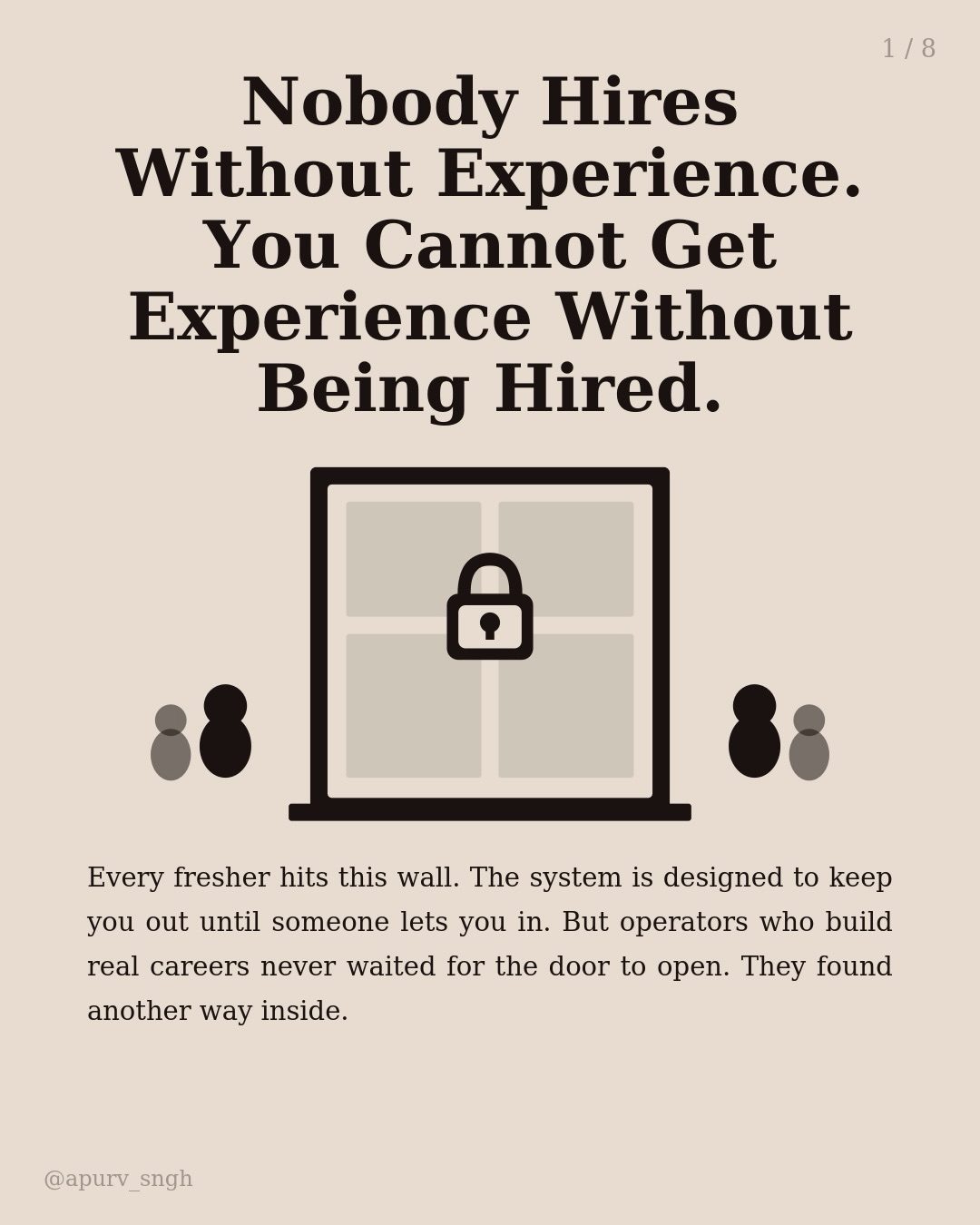
One of the most significant challenges faced by fresh graduates is the Catch-22 of needing experience to get hired. Traditional hiring practices often require candidates to have relevant job experience, creating a barrier for those just entering the workforce.
For those who find themselves in this situation, it's crucial to think outside the box and look for alternative routes. Real success stories often involve finding unconventional ways to break into the job market. This might include:
-
Internships and Freelancing: Seek out internships or freelance opportunities that allow you to gain practical experience. These positions can provide valuable hands-on experience and often lead to full-time employment.
-
Networking: Build a strong professional network by attending industry events, joining online communities, and connecting with professionals in your desired field. Networking can open doors to opportunities that might not be available through traditional job searches.
-
Personal Projects: Engage in personal projects or volunteer work that aligns with your career goals. This can help you develop relevant skills and demonstrate your commitment to potential employers.
Marketing Strategy for Career Development
Another critical aspect of career development is understanding the principles of marketing. By adopting a strategic approach, individuals can position themselves more effectively in the job market. Here are some key steps to consider:
-
Reverse Engineer Successful Strategies: Learn from successful professionals and companies by analyzing their strategies. This involves understanding the underlying reasons behind their success rather than just copying their actions. Focus on mapping out every touchpoint, from ads to landing pages, and analyze what decisions led to their achievements.
-
Focus on Touchpoints: Identify and evaluate every point of interaction with potential employers or clients. This includes your resume, cover letter, portfolio, and any professional networking profiles. Ensure that each touchpoint is optimized to showcase your strengths and align with your career goals.
-
Deliberate and Systematic Effort: Building a strong professional reputation requires deliberate and systematic effort. This means consistently working on improving your skills, expanding your knowledge, and refining your approach. The operators who succeed are those who look closer than others and continually strive to improve.
Skill Development
Skill development is a crucial component of career advancement. It's essential to understand that taste and judgment are not innate but are developed through deliberate and systematic effort. Here are some tips for effective skill development:
-
Learn from Experienced Operators: Seek out opportunities to learn from experienced professionals. This can involve shadowing someone, working closely with them, or simply observing their decision-making processes. The insights gained from real-world experience can be far more valuable than theoretical knowledge.
-
Offer to Help: Offering to help with tasks such as research, documentation, and presentations can provide valuable learning opportunities. This approach allows you to gain hands-on experience and demonstrate your commitment to potential employers.
-
Practical Experience: Practical experience is more valuable than theoretical knowledge. Spend time working on real projects and gaining practical experience. This can involve working on personal projects, freelancing, or taking on additional responsibilities at your current job.
Practical Tips to Get Started
-
Set Clear Goals: Define your short-term and long-term career goals. This will help you stay focused and motivated as you navigate the job market.
-
Create a Plan: Develop a strategic plan to achieve your career goals. This should include specific steps and timelines for achieving milestones along the way.
-
Seek Mentorship: Find a mentor who can provide guidance and support as you build your career. A mentor can offer valuable insights, advice, and connections.
-
Stay Updated: Keep yourself updated with the latest trends and developments in your field. This can involve reading industry publications, attending conferences, and participating in online forums.
-
Be Persistent: Building a career takes time and effort. Be persistent and don't get discouraged by setbacks. Keep working on improving your skills and seeking out opportunities.
-
Leverage Technology: Utilize technology to your advantage. Use social media, professional networking platforms, and online portfolios to showcase your skills and connect with potential employers.
Important Takeaways
- Alternative Routes: Finding alternative routes to gain experience is crucial for building a career.
- Strategic Analysis: Analyzing successful strategies and understanding the 'why' behind them can provide valuable insights.
- Practical Experience: Practical experience is more valuable than theoretical knowledge. Seek out opportunities to gain hands-on experience.
- Networking: Building a strong professional network can open doors to opportunities.
- Deliberate Effort: Consistent, deliberate effort is key to career development. Look closer than others, and strive to improve continuously.
Conclusion
Successfully navigating the job market and advancing in your career requires a combination of strategic planning, deliberate effort, and practical experience. For freshers and those feeling stuck, finding alternative routes, focusing on marketing strategies, and developing skills systematically can make a significant difference. By adopting these practical steps and staying committed to your goals, you can overcome the challenges of the job market and build a strong professional reputation.
Watch the Reel
Questions readers ask
How can fresh graduates overcome the experience paradox?
Fresh graduates can overcome the experience paradox by leveraging internships, part-time jobs, volunteer work, and personal projects to gain practical experience. Tailoring their resume and cover letter to highlight transferable skills and showcasing a proactive approach to learning can also help demonstrate their potential to employers.
What are some effective strategies for marketing yourself as a fresher?
Freshers can market themselves by creating a strong online presence through platforms like LinkedIn, building a professional portfolio, and networking with industry professionals. Tailoring applications to each job, preparing well for interviews, and seeking mentorship can also enhance their visibility and appeal to potential employers.
How can new graduates build a professional reputation quickly?
New graduates can build a professional reputation by consistently delivering high-quality work, seeking feedback, and actively participating in industry events and discussions. Contributing to relevant online forums, writing blog posts or articles, and sharing insights on social media can also help establish them as knowledgeable professionals.
What are some key steps for career advancement as a new graduate?
New graduates can advance their careers by setting clear goals, pursuing continuous learning opportunities, and seeking feedback to identify areas for improvement. Building a strong network, taking on challenging projects, and demonstrating initiative can also accelerate their career growth.
How can freshers prepare for job interviews to build confidence?
Freshers can build confidence for job interviews by practicing common interview questions, conducting mock interviews with peers or mentors, and researching the company thoroughly. Dressing professionally, arriving early, and maintaining a positive attitude can also help create a strong first impression.
What role does networking play in the job market for fresh graduates?
Networking is crucial for fresh graduates as it opens doors to job opportunities, provides industry insights, and offers mentorship. Attending industry events, joining professional organizations, and connecting with alumni can significantly enhance their job prospects and career development.
How can fresh graduates tailor their resumes to overcome lack of experience?
Fresh graduates can tailor their resumes by focusing on transferable skills, accomplishments, and projects that demonstrate their capabilities. Using a functional or combination resume format, including internships, volunteer work, and relevant coursework can also help highlight their potential to employers.
Recent articles
Fresh deep dives from the latest Reels we unpacked.




Comments
Be the first to comment.