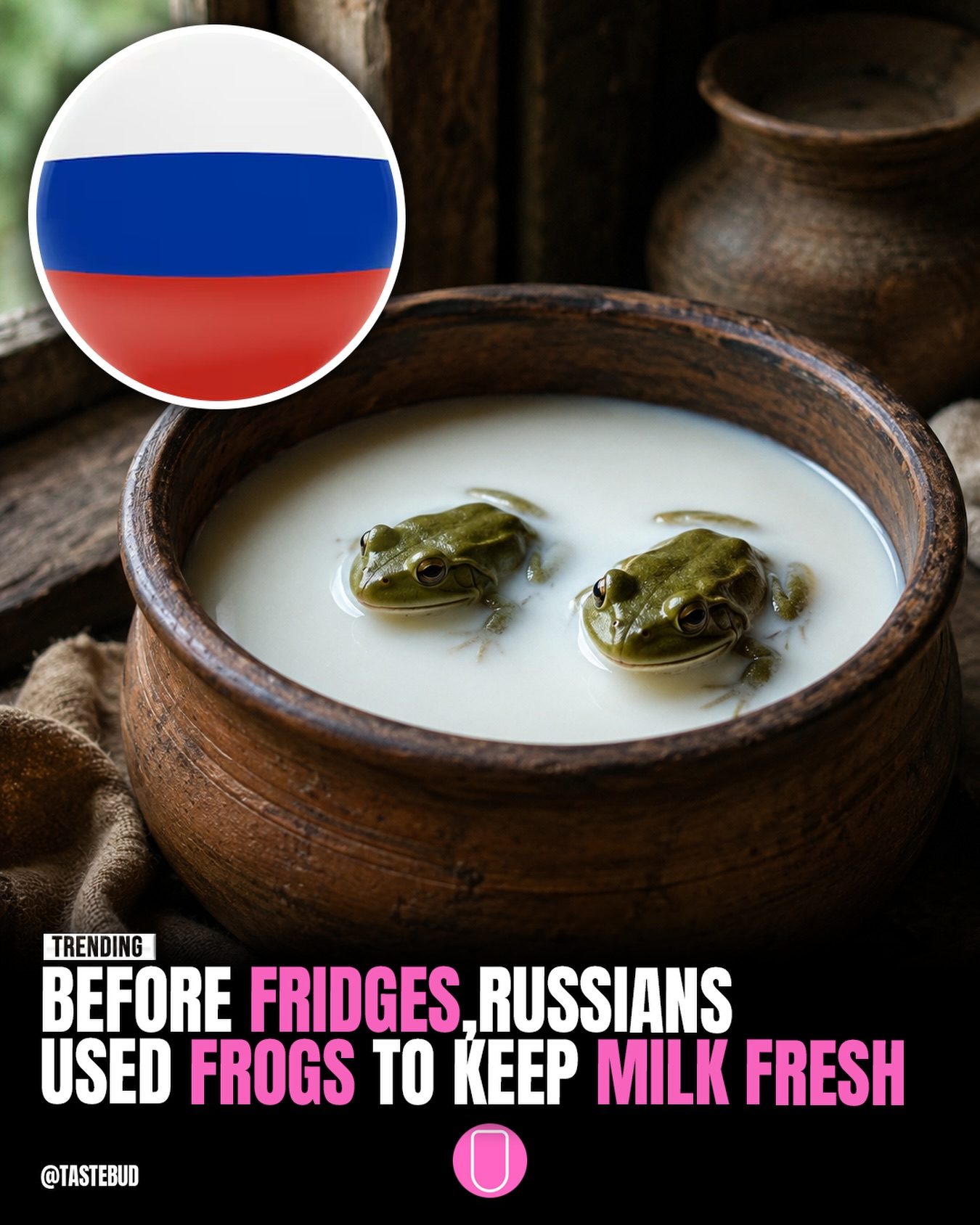
Historical Food Preservation with Frogs
Before modern refrigeration, people used a variety of creative and unusual methods to preserve food. One such method, reportedly practiced in parts of Russia and Finland, involved using live brown frogs to preserve milk. This peculiar practice has sparked curiosity and raised questions about its effectiveness and underlying mechanisms.
Context / Why this matters
Understanding historical food preservation methods provides insight into human ingenuity and the natural world. Before the advent of refrigerators, people relied on various techniques to keep perishable foods like milk fresh. The use of frogs in this context is not only fascinating but also offers a glimpse into the antimicrobial properties found in nature.
Main discussion
The Tradition of Frog Milk Preservation
The practice of using live brown frogs to preserve milk was reportedly common in some rural areas of Russia and Finland. Families would place live frogs into buckets of milk. The rationale behind this method was likely rooted in the observed effectiveness of frogs in inhibiting the growth of harmful bacteria, thus keeping the milk fresh for a longer period.
The Antimicrobial Properties of Frog Skin
Scientists have since uncovered the science behind this unusual practice. Certain frog species produce antimicrobial compounds on their skin. These compounds are capable of slowing the growth of harmful bacteria. Researchers have identified several natural peptides from frog skin with antibacterial properties, which help explain why the practice may have been effective.
How it Works
The antimicrobial compounds produced by frogs are part of their natural defense mechanisms against pathogens. These compounds act as a barrier, preventing the growth of bacteria and other microorganisms that could spoil the milk. By placing live frogs in the milk, the compounds from their skin would seep into the liquid, creating a natural preservative.
Types of Antimicrobial Compounds
Frogs produce a variety of antimicrobial compounds, including peptides and proteins. These compounds have broad-spectrum antimicrobial activity, meaning they can inhibit a wide range of bacteria and fungi. Some of the most well-studied antimicrobial peptides from frog skin include:
- Magainins: These are small, cationic peptides that disrupt the membranes of bacterial cells, preventing their growth.
- Brevinins: These peptides have been shown to have potent antibacterial and antifungal properties.
- Esculentins: These compounds are effective against a broad range of bacteria, including those resistant to conventional antibiotics.
Scientific Discovery and Modern Applications
The discovery of these antimicrobial compounds has led to significant advancements in modern medicine and food preservation. Researchers have studied these compounds to develop new antibiotics and preservatives. The potential applications are vast, ranging from treating infections to extending the shelf life of perishable foods.
Potential Applications
- Medicine: The antimicrobial peptides from frog skin are being explored as potential treatments for bacterial infections that are resistant to conventional antibiotics.
- Food Industry: These compounds could be used to develop natural preservatives that extend the shelf life of perishable foods without the use of synthetic chemicals.
- Agriculture: The antimicrobial properties of these peptides could be harnessed to create natural pesticides and fungicides, reducing the reliance on synthetic chemicals.
Practical tips
While the practice of using frogs to preserve milk is no longer common, the science behind it offers valuable insights. Here are some practical tips inspired by this historical method:
Explore Natural Preservatives
Consider using natural preservatives in your kitchen. Ingredients like vinegar, lemon juice, and herbs have antimicrobial properties that can help keep food fresh.
Understand the Science
Learning about the antimicrobial properties of common plants and animals can provide a deeper understanding of natural food preservation techniques. This knowledge can be applied to modern culinary practices, reducing waste and enhancing food safety.
Experiment with Traditional Methods
Try incorporating traditional preservation techniques into your cooking. Fermentation, pickling, and curing are examples of methods that have been used for centuries and are still relevant today. They not only preserve food but also enhance its flavor and nutritional value.
Important takeaways
The practice of using frogs to preserve milk highlights the resourcefulness of historical food preservation techniques. It also underscores the potential of natural antimicrobial compounds in modern applications. Key takeaways include:
- The use of frogs in milk preservation was rooted in their natural antimicrobial properties.
- Certain frog species produce peptides with broad-spectrum antimicrobial activity.
- These compounds have potential applications in medicine, food preservation, and agriculture.
- Exploring natural preservatives and traditional methods can enhance food safety and sustainability.
Conclusion
The historical practice of using frogs to preserve milk offers a unique perspective on human ingenuity and the natural world. By understanding the science behind this method, we can appreciate the value of natural antimicrobial compounds and explore their potential applications in modern contexts. Whether in the kitchen or the laboratory, the lessons from the past can inform our practices today, promoting sustainability and innovation.
Watch the Reel
Questions readers ask
Why were frogs used to preserve milk in rural Russia and Finland?
Frogs were used to preserve milk due to their antimicrobial skin compounds, which help slow bacterial growth and extend the freshness of milk. This method was employed before the advent of refrigeration, when people had to rely on creative solutions for food preservation.
What specific compounds in frogs' skin help preserve milk?
The antimicrobial compounds found in frogs' skin, such as peptides and proteins, are responsible for inhibiting bacterial growth. These compounds make the environment less hospitable for bacteria, thereby extending milk freshness.
How did people use frogs to preserve milk?
The frogs were placed in open containers of milk where their skin secretions would mix with the milk, creating an antimicrobial environment. This method relied on the natural antimicrobial properties of frogs' skin to keep the milk fresh for longer periods.
What other historical methods were used to preserve milk before refrigeration?
Before refrigeration, various techniques were used to preserve milk, including boiling, souring (to create cultured products like yogurt or kefir), and storing milk in cool places like cellars or deep wells. Some cultures also used natural preservatives or fermented milk to extend its shelf life.
How effective were frogs in preserving milk compared to other methods?
While the method of using frogs to preserve milk is intriguing, its effectiveness may not have been as reliable or long-lasting as other traditional methods. The success likely varied based on factors such as the specific type of frog, the cleanliness of the milk, and environmental conditions. Other methods, like souring or storing in cool places, might have been more dependable.
Are there any modern applications of the antimicrobial properties found in frogs' skin?
Yes, researchers have studied the antimicrobial compounds in frogs' skin for potential applications in medicine and food preservation. These compounds could inspire the development of new preservatives or antimicrobial agents, although more research is needed to fully understand and harness their potential.
Were there any risks associated with using live frogs to preserve milk?
Using live frogs to preserve milk posed several risks, including the potential for contamination if the frogs were not clean or if they excreted waste into the milk. Additionally, the frogs could have been stressed or harmed by the process, raising ethical concerns. These factors likely contributed to the decline of this practice as more reliable preservation methods were developed.
Related deep dives
Similar reads based on topic and creator.



Recent articles
Fresh deep dives from the latest Reels we unpacked.




Comments
Be the first to comment.