Albert Einstein's Brain: The Curious Postscript to a Scientific Legacy
Albert Einstein, the renowned physicist, passed away on April 18, 1955, in Princeton, New Jersey. He had made explicit arrangements for his body to be cremated and his ashes scattered, wanting no grave that could become a shrine. Despite his wishes, the events following his death took an unexpected and controversial turn. The story of what happened to Einstein's brain is a peculiar chapter in the history of science, filled with ethical dilemmas, scientific intrigue, and enduring mysteries.
Why This Matters
The tale of Einstein's brain is more than just a quirky footnote in history. It raises important questions about the intersection of ethics, science, and personal autonomy. The actions taken by pathologist Thomas Harvey and the subsequent studies on Einstein's brain have sparked debates about consent, the boundaries of scientific research, and the legacy of one of the most brilliant minds in history. Understanding this story provides insight into the complexities of modern scientific ethics and the enduring fascination with the human brain.
The Unauthorized Removal
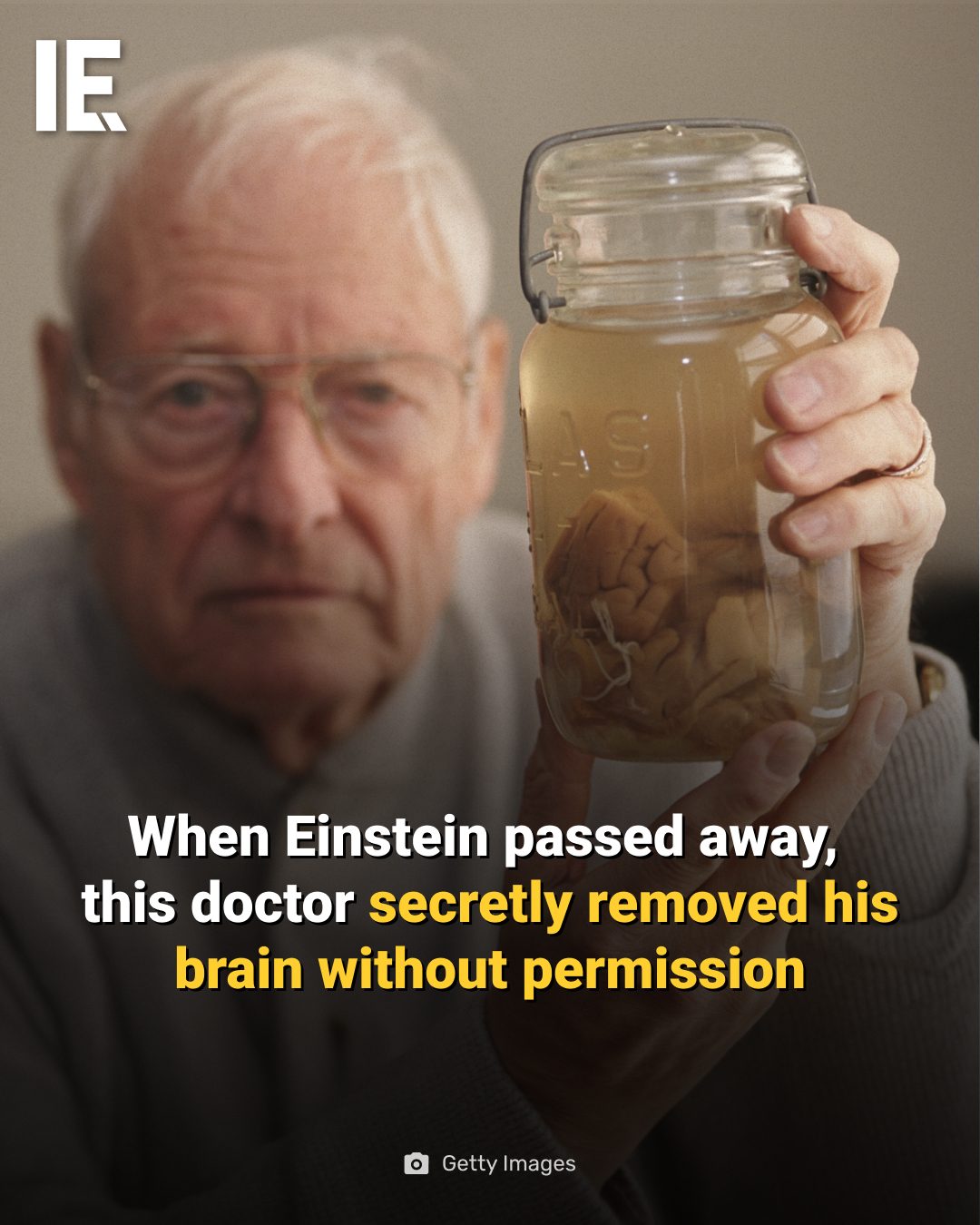
Within hours of Einstein's death, Princeton Hospital pathologist Thomas Harvey removed Einstein's brain during the autopsy without the family's permission. Harvey was driven by a compelling mix of curiosity and scientific ambition. He believed that studying Einstein's brain could provide valuable insights into the neurological basis of genius.
Harvey kept the brain for over four decades, storing portions of it in jars and eventually distributing slides and samples to researchers around the world. This unauthorized retention of Einstein's brain was highly controversial and raised significant ethical concerns about respecting the wishes of the deceased and obtaining proper consent for medical procedures.
The Reluctant Approval
Years later, Einstein's son Hans Albert gave a reluctant retrospective approval for the use of his father's brain, but only on the condition that it be used solely for scientific research. This decision marked a turning point, allowing researchers to continue studying the brain while attempting to address some of the ethical issues surrounding its removal.
Scientific Studies and Debated Findings
Over the decades, numerous studies have been conducted on Einstein's brain, aiming to uncover the secrets of his extraordinary intellectual abilities. Researchers focused on the parietal lobes, regions associated with mathematical and spatial reasoning. Initial findings suggested structural differences in these areas, which could potentially explain Einstein's genius. However, these findings remain a subject of debate within the scientific community.
One of the key challenges in interpreting the results of these studies is the lack of a control group. Comparing Einstein's brain to that of an average person or even another genius is difficult, making it hard to draw definitive conclusions. Moreover, the methods used in the early studies were not as advanced as those available today, further complicating the interpretation of the data.
Ethical Considerations
The story of Einstein's brain raises several ethical considerations that are still relevant today. The unauthorized removal of the brain without consent from the family highlights the importance of respecting the wishes of the deceased and obtaining proper authorization for medical procedures. This incident serves as a cautionary tale about the need for clear guidelines and oversight in scientific research, particularly when dealing with human remains.
Another ethical concern is the potential misuse of scientific research. Harvey's actions, while driven by scientific curiosity, also raise questions about the boundaries of research and the potential for exploitation. Ensuring that scientific research is conducted ethically and respectfully is crucial for maintaining public trust and advancing knowledge responsibly.
Legal and Ethical Ramifications
The unauthorized removal of Einstein's brain also has legal implications. The incident underscores the need for robust legal frameworks to protect the rights and wishes of individuals, even after death. It highlights the importance of clear guidelines for handling human remains and ensuring that medical procedures and research are conducted with the proper consent and authorization.
In recent years, there have been calls for greater transparency and accountability in scientific research, particularly in cases involving human subjects. The story of Einstein's brain serves as a reminder of the importance of these principles and the need for ongoing vigilance in protecting the rights and dignity of individuals.
Practical Tips for Ethical Research
For researchers and institutions, the story of Einstein's brain offers several practical tips for conducting ethical and responsible research:
- Obtain Proper Consent: Always seek and obtain proper consent from individuals or their families before conducting research involving human remains or personal information.
- Respect Wishes: Honor the wishes of the deceased and their families, ensuring that research is conducted in a manner that aligns with their values and expectations.
- Transparency and Accountability: Maintain transparency in research practices and be accountable for the ethical conduct of research. This includes documenting all procedures and obtaining necessary approvals from ethical review boards.
- Clear Guidelines: Establish clear guidelines and protocols for handling human remains and conducting research involving human subjects. Ensure that these guidelines are widely known and consistently followed.
Important Takeaways
The story of Albert Einstein's brain is a fascinating and complex chapter in the history of science. It highlights the ethical, legal, and scientific implications of studying human remains without proper consent. The unauthorized removal of Einstein's brain and the subsequent studies have sparked important debates about the boundaries of scientific research, the importance of respecting the wishes of the deceased, and the need for clear guidelines and oversight in research practices.
Conclusion
The tale of Einstein's brain is a reminder of the intricacies and ethical considerations involved in scientific research. It serves as a cautionary tale about the importance of respecting the wishes of individuals, obtaining proper consent, and conducting research ethically and responsibly. As we continue to advance our understanding of the human brain and the neurological basis of genius, it is crucial to uphold these principles to ensure that research is conducted in a manner that honors the dignity and rights of individuals.
Watch the Reel
Questions readers ask
Who removed and studied Albert Einstein's brain after his death?
Pathologist Thomas Harvey removed and studied Einstein's brain without obtaining explicit permission from the family. This unauthorized action sparked a lengthy controversy surrounding the ethics of such practices.
What were Einstein's wishes regarding his remains after his death?
Albert Einstein had specifically requested that his body be cremated and his ashes scattered to prevent his grave from becoming a shrine. These wishes were not fully honored due to the actions taken with his brain.
What ethical issues does the case of Einstein's brain raise?
The case raises several ethical issues, including the need for consent in scientific research, the boundaries of post-mortem examinations, and the respect for an individual's final wishes, even after death.
What was the motivation behind the study of Einstein's brain?
The primary motivation was to understand the neurological basis of Einstein's remarkable intellectual capabilities. Researchers hoped to find clues about his genius by examining his brain tissue.
What happened to Einstein's brain after its removal?
After its removal, Einstein's brain was sectioned into slides and studied by various researchers over the decades. Parts of the brain have been preserved and are still used in research, while other parts were given to the National Museum of Health and Medicine.
What is the current status of Einstein's brain research?
Research on Einstein's brain continues to this day, with studies focusing on its unique structure and potential insights into genius and cognition. The ethical debate surrounding its removal, however, remains unresolved.
Related deep dives
Similar reads based on topic and creator.




Recent articles
Fresh deep dives from the latest Reels we unpacked.




Comments
Be the first to comment.