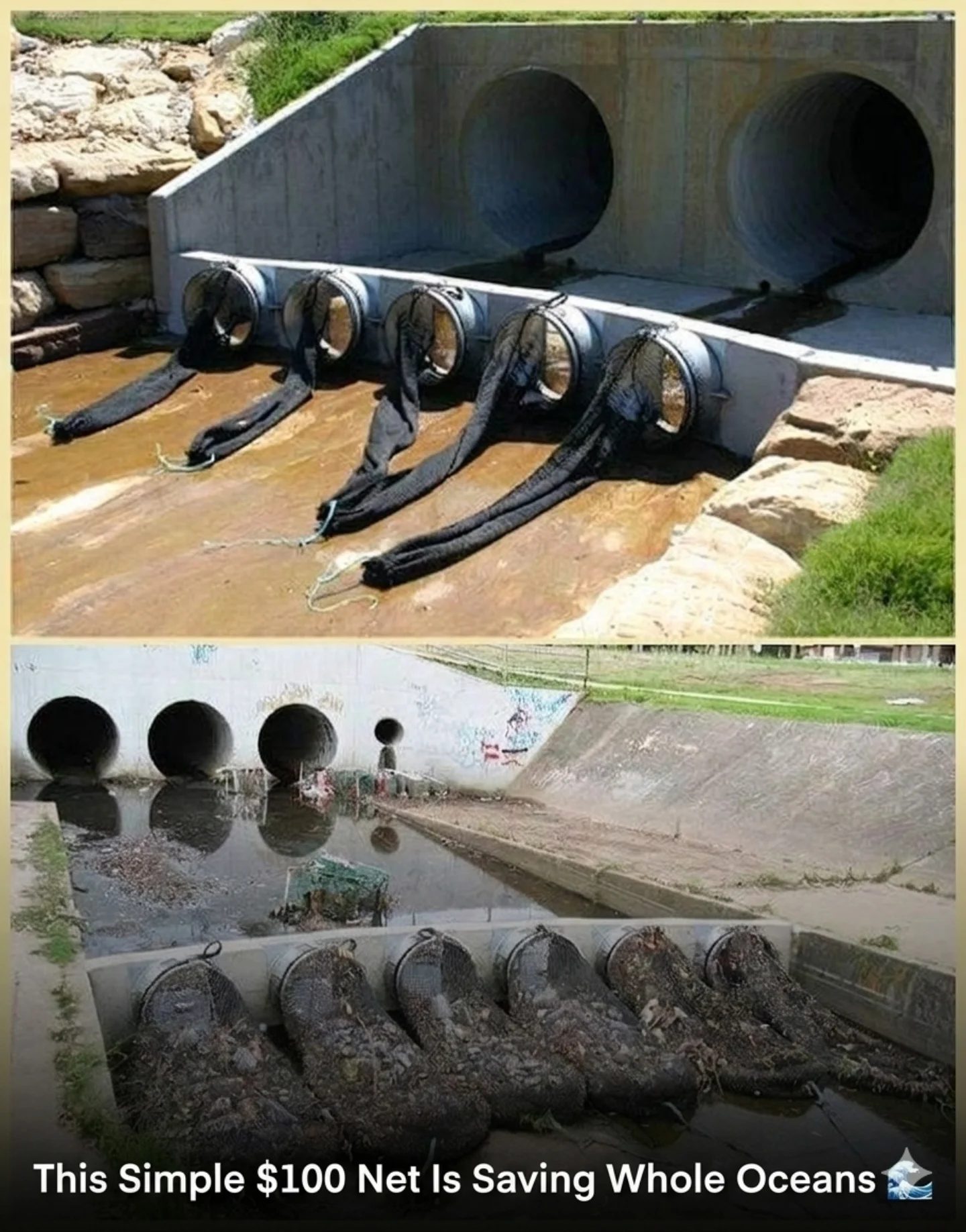
Stormwater Drainage Nets: A Simple yet Effective Solution for Cleaner Waterways
Urban stormwater drainage systems are essential for preventing flooding, but they often become conduits for pollutants and debris to enter local waterways and oceans. Stormwater drainage nets, also known as trash traps or pollutant traps, offer a straightforward and effective solution to this problem. Let's delve into how these systems work, their benefits, and why they are gaining traction in environmental conservation efforts.
Why This Matters
Stormwater runoff is a significant contributor to water pollution. When it rains, water washes over urban surfaces, picking up trash, chemicals, and other pollutants before flowing into storm drains and ultimately into rivers, lakes, and oceans. This runoff can have detrimental effects on aquatic ecosystems and human health. By capturing debris and pollutants at the source, stormwater drainage nets help mitigate these issues, making them a crucial component in modern environmental engineering.
Understanding Stormwater Drainage Nets
The Problem and the Solution
Large concrete culverts are commonly used to route stormwater from urban areas into local waterways. These culverts can become pathways for a variety of pollutants, including street litter, plastic bottles, leaves, and other debris. To address this, heavy-duty mesh nets are installed at the mouths of the smaller outflow pipes. These nets act as filtration systems, trapping debris while allowing water to flow through unobstructed.
How They Work
The process is quite simple yet highly effective. When it rains, water flows through the mesh nets, carrying with it various pollutants. The nets are designed to trap these pollutants, preventing them from entering the waterways. Once the nets are full, they can be easily removed and the trapped debris disposed of or recycled.
Key Benefits of the System
Cost-Effective
One of the most significant advantages of stormwater drainage nets is their cost-effectiveness. Compared to building complex, high-tech filtration plants, these nets are relatively inexpensive to manufacture and install. The initial cost can be as low as $100, making them an accessible solution for communities of all sizes.
Easy Maintenance
Maintenance is straightforward. Once the nets are full, sanitation crews can use a crane truck to lift them out, untie the ends, and dispose of the trapped garbage directly into a waste truck. This process is efficient, reducing the time and labor required for maintenance.
Wildlife Protection
By trapping macro-plastics and other debris at the source, these netting systems prevent wildlife from ingesting trash or getting tangled in debris downstream. This not only protects aquatic life but also contributes to the overall health of local ecosystems.
Practical Tips for Implementation
Installation
When installing stormwater drainage nets, it is crucial to ensure that the nets are securely clamped to the outflow pipes. This prevents the nets from dislodging during heavy rainfall and ensures that they remain effective over time. It is also important to use high-quality, durable materials that can withstand the elements and the weight of trapped debris.
Monitoring and Maintenance
Regular monitoring is essential to ensure the nets are functioning correctly. This involves periodic inspections to check for any damage or wear and tear. Maintenance should be scheduled based on the frequency of rain events and the amount of debris collected. Keeping the nets in good condition ensures they continue to effectively capture pollutants and protect waterways.
Community Involvement
Engaging the local community in the implementation and maintenance of these systems can be highly beneficial. Community members can help with monitoring, reporting any issues, and even participating in cleanup efforts. This not only reduces the burden on municipal resources but also fosters a sense of environmental stewardship within the community.
Important Takeaways
Stormwater drainage nets offer a practical and cost-effective solution to a significant environmental challenge. They are easy to install, maintain, and can have a substantial positive impact on local waterways and ecosystems. By trapping debris at the source, these systems help protect wildlife and improve the overall quality of our water bodies.
Conclusion
In an era where environmental conservation is more critical than ever, stormwater drainage nets provide a simple yet powerful tool for combating water pollution. Their cost-effectiveness, ease of maintenance, and positive ecological impact make them an invaluable addition to any community's environmental management strategy. By embracing this technology, we can take a significant step towards cleaner, healthier waterways for future generations.
Watch the Reel
Questions readers ask
How do stormwater drainage nets help reduce ocean pollution?
Stormwater drainage nets trap debris and pollutants before they enter waterways, preventing them from flowing into oceans. By installing these mesh nets in storm drains, communities can significantly reduce the amount of trash and chemicals that would otherwise contribute to ocean pollution.
What types of pollutants do stormwater drainage nets typically capture?
These nets are designed to capture a wide range of pollutants, including litter, plastics, chemicals from pesticides and fertilizers, and other debris such as leaves and sediment. This helps maintain cleaner waterways and protects marine life from harmful substances.
Can stormwater drainage nets be installed in any type of storm drain?
Yes, stormwater drainage nets can be installed in various types of storm drains, including concrete and metal drains. They are versatile and can be customized to fit different sizes and shapes of drains, making them a practical solution for many urban areas.
How effective are stormwater drainage nets in preventing pollution?
Stormwater drainage nets are highly effective in capturing a significant amount of debris and pollutants. Studies have shown that these nets can reduce the volume of trash and chemicals entering waterways by up to 80%, making them a valuable tool in managing stormwater pollution.
What are the benefits of using stormwater drainage nets for aquatic ecosystems?
By preventing debris and pollutants from entering waterways, stormwater drainage nets help preserve aquatic ecosystems. They protect aquatic plants and animals from harmful substances, promote healthier habitats, and maintain the overall quality of waterways.
How do stormwater drainage nets contribute to human health?
These nets help improve water quality by reducing the amount of pollutants that would otherwise contaminate local water sources. This leads to cleaner water for recreation and safer conditions for wildlife, which can indirectly benefit human health and well-being.
What are some key considerations for engineering stormwater netting solutions?
When designing stormwater netting solutions, it's important to consider the specific needs of the area, including the type and volume of debris, the size and shape of the drains, and local regulations. Proper installation and regular maintenance are also crucial to ensure the nets remain effective over time.
Related deep dives
Similar reads based on topic and creator.



Recent articles
Fresh deep dives from the latest Reels we unpacked.




Comments
Be the first to comment.