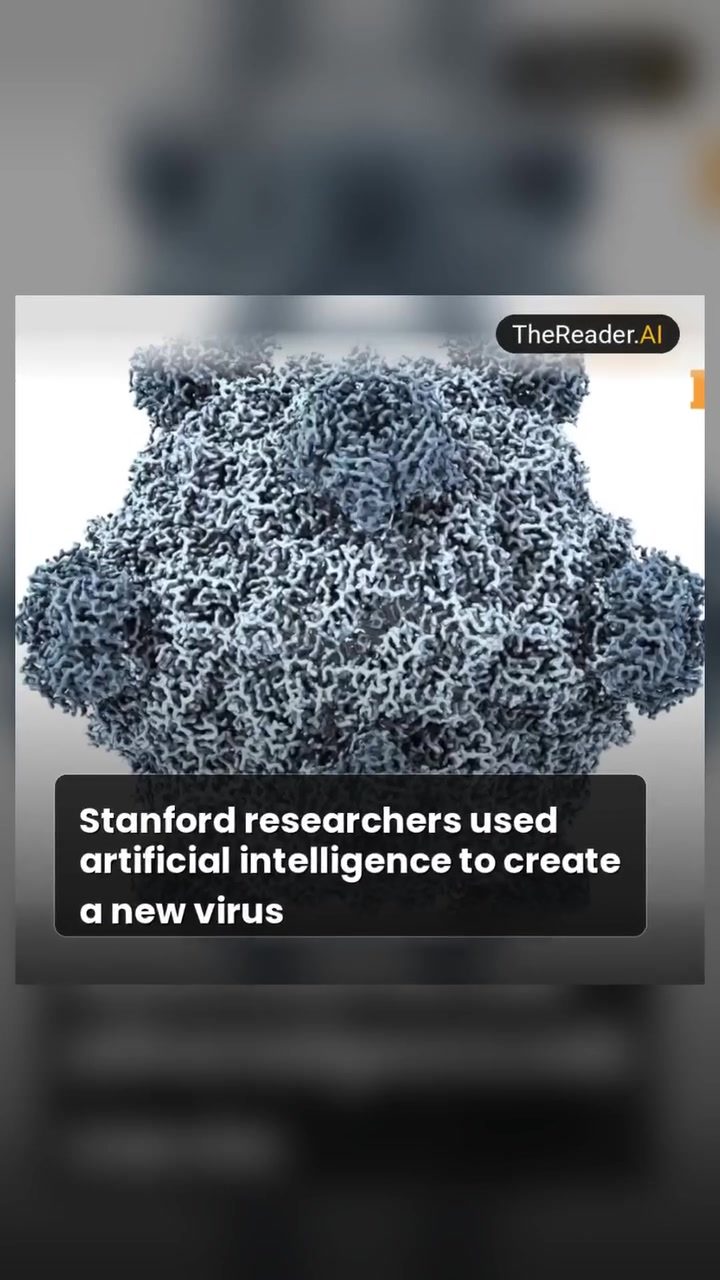
AI- Generated Viruses: A Double-Edged Sword
Stanford researchers have recently made headlines by using artificial intelligence to create a new virus. This groundbreaking—if unsettling—development has sparked both fears about the potential dangers of such technology and hopes for its benefits in human health.
Context: The AI Revolution in Virus Research
Artificial intelligence has been increasingly integrated into various fields of research, and virus studies are no exception. The ability of AI to process vast amounts of data quickly and identify patterns that humans might miss makes it a powerful tool in scientific research. However, the creation of a new virus using AI raises significant ethical and safety concerns.
The Research: Creating a Virus with AI
The Process
The Stanford researchers trained their AI models on non-human viruses to study DNA. By focusing on non-human viruses, the team ensured that their experiments did not pose immediate security risks. The goal was to understand the mechanisms of viral replication and evolution, which could lead to better treatments and preventive measures for human viruses.
Ethical Considerations
The ethical implications of creating a new virus, even for research purposes, are profound. The potential for misuse is a genuine concern. However, the researchers emphasize the importance of responsible development. Brian Hie, a key figure in the project, stated, "If we develop responsibly, I think it can lead to tremendous benefits in human health."
Why This Matters
Potential Benefits
The research underscores the potential of AI in advancing medical science. By understanding how viruses work at a molecular level, scientists can develop more effective treatments and vaccines. For example, AI can help identify new drug targets, predict how viruses will evolve, and simulate the effects of different treatments. These capabilities could revolutionize the way we approach infectious diseases.
Risks and Concerns
On the other hand, the creation of new viruses, even in a controlled environment, raises serious safety and security concerns. The possibility of accidental release or misuse by malicious actors is a significant risk. Ensuring that such research is conducted ethically and responsibly is crucial to mitigating these risks.
Practical Tips for Responsible AI Research
Ethical Guidelines
Researchers and institutions need to establish and adhere to strict ethical guidelines when conducting AI-driven virus research. This includes transparency in methodologies, rigorous safety protocols, and oversight by independent ethics committees.
Collaboration and Regulation
Collaboration between researchers, governments, and international organizations is essential. Regulations and policies should be developed to govern the use of AI in virus research, ensuring that the benefits are maximized while the risks are minimized.
Important Takeaways
- AI in Virus Research: AI has the potential to revolutionize our understanding of viruses and lead to better treatments and preventive measures.
- Ethical Responsibilities: Researchers must prioritize ethical considerations and ensure that their work is conducted responsibly.
- Balancing Benefits and Risks: While the benefits of AI in virus research are significant, it is crucial to address and mitigate the associated risks.
Conclusion
The creation of a new virus using artificial intelligence by Stanford researchers highlights the immense potential of AI in medical research. However, it also underscores the need for responsible development and ethical considerations. As we continue to explore the capabilities of AI in virus research, it is essential to strike a balance between innovation and safety, ensuring that the technology is used for the benefit of humanity.
Watch the Reel
Questions readers ask
What is the purpose of Stanford's AI-generated virus research?
The goal of Stanford's AI-generated virus research is to gain a deeper understanding of viral mechanisms. By studying non-human viruses, researchers hope to develop better treatments and preventative measures for virus-based health threats.
What advantages does AI bring to virus research?
AI excels at processing large datasets quickly and identifying complex patterns that humans might overlook. This capability makes AI an invaluable tool for accelerating virus research and uncovering new insights into viral behavior.
What are the potential benefits of AI in creating viruses for human health?
AI can help create viruses that mimic dangerous pathogens, allowing scientists to test vaccines and treatments in a safer environment. This can lead to more effective preventative measures and therapies, ultimately improving public health outcomes.
What are the main concerns surrounding AI-generated viruses?
The primary concerns are the potential misuse of AI to create harmful viruses, the risks of accidental release, and the ethical implications of intentionally creating new viruses. These issues highlight the need for stringent safety measures and ethical guidelines in AI research.
How does AI contribute to the development of treatments and prevention measures for viruses?
AI can identify potential targets for vaccines and treatments by analyzing viral structures and behaviors. By simulating how viruses interact with human cells, AI can help researchers develop more effective and targeted therapies.
What are the ethical considerations related to Stanford's AI virus creation?
Ethical considerations include the potential for misuse, the need for transparency in research, and the balance between scientific advancement and public safety. Researchers must address these issues to ensure that AI is used responsibly and ethically in virus research.
Related deep dives
Similar reads based on topic and creator.



Recent articles
Fresh deep dives from the latest Reels we unpacked.




Comments
Be the first to comment.