Spring Cleaning & Relaxation
Spring is a time of renewal and rejuvenation. Why not extend that feeling to your home and your mind? While the physical act of spring cleaning is well-known, the concept of "cleaning" your nervous system might be new territory for many. However, the idea of resetting and relaxing your mind is valuable. It leads to a more peaceful and balanced life.
Why This Matters
Spring cleaning is more than just a seasonal chore; it's a ritual that can significantly impact your well-being. The practice of decluttering and organizing your living space has been shown to reduce stress and anxiety, improve focus, and even boost your mood. But what about the benefits of a mental spring clean? Well, the benefits are equally compelling.
Deep Cleaning: The Nervous System
The Connection Between Environment and Mind
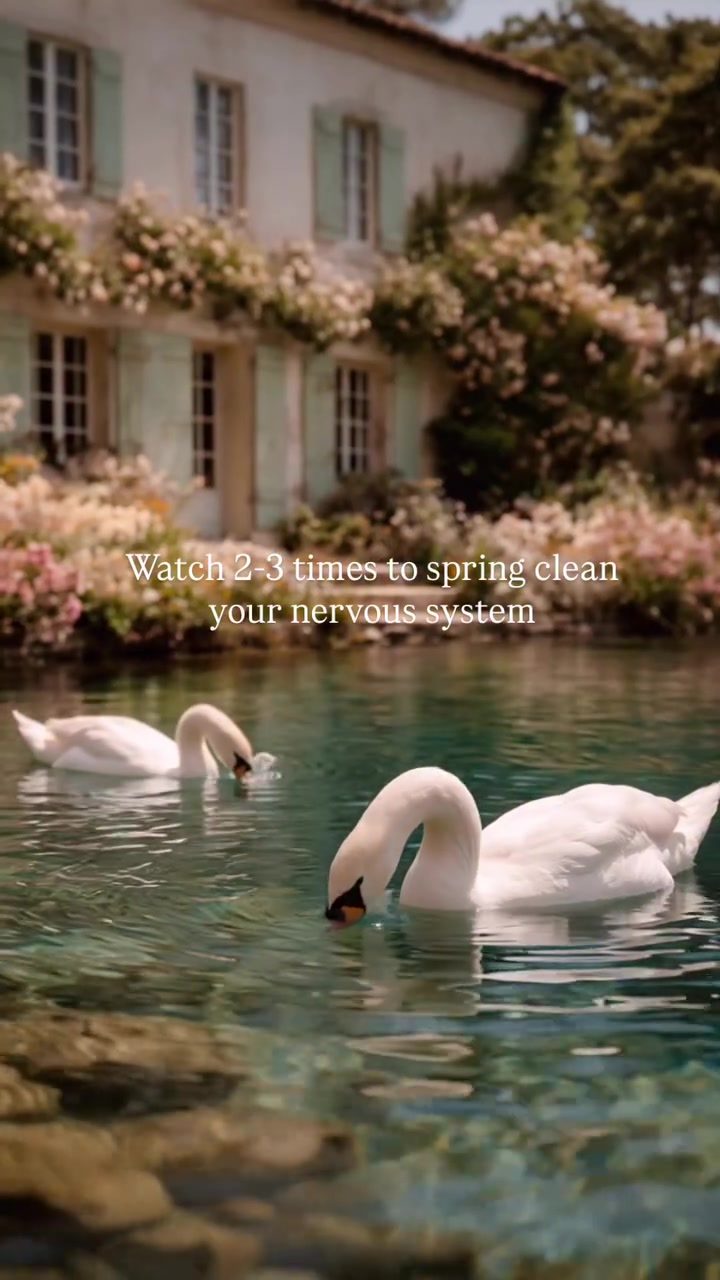
The environment in which you live plays a significant role in your mental state. A cluttered, disorganized space can lead to feelings of overwhelm and stress, while a clean, organized environment promotes calm and clarity. The scenes of swans swimming in a serene pond or a bathtub filled with flowers evoke a sense of tranquility and relaxation. These visuals underscore the connection between a well-kept environment and a peaceful mind.
Mindfulness and Relaxation
The concept of "spring cleaning" the nervous system involves mindful practices that promote relaxation and stress relief. Many psychologists and wellness experts recommend mindful breathing exercises, meditation, and practicing gratitude as ways to reduce mental clutter and tension.
The idea of watching a sequence of relaxing scenes to achieve a mental reset is not far from what mindfulness practices teach. When you engage in mindfulness, you focus on the present moment, letting go of past worries and future anxieties. This practice can help you achieve a state of calm and clarity, much like how a physical spring clean can bring a sense of order and control.
The Science Behind It
Research into the nervous system and its response to stress highlights the importance of relaxation techniques. The autonomic nervous system has two branches: the sympathetic, which is responsible for the "fight or flight" response, and the parasympathetic, which promotes relaxation and rest. Activities that promote relaxation, such as deep breathing and visualizing peaceful scenes, can activate the parasympathetic nervous system, helping to reduce stress and anxiety.
Practical Tips
Creating a Relaxing Environment
Start by creating a physical environment that promotes relaxation. Choose calming colors for your walls and decorate with natural elements like plants and flowers. Incorporate soothing scents with essential oils or candles. The scenes shown in the video, such as a fireplace with flowers and lemons, can inspire similar setups in your own home.
Mindful Breathing Exercises
One effective way to calm your nervous system is through mindful breathing exercises. Find a quiet, comfortable space and focus on your breath. Inhale deeply through your nose, hold for a few seconds, and then exhale slowly through your mouth. Repeat this process for several minutes, allowing your body to relax and your mind to clear.
Visualization Techniques
Visualization is another powerful tool for relaxing the nervous system. Imagine yourself in a peaceful setting, such as the pond with swans or a bathtub filled with flowers. Picture the details—the sound of water, the scent of flowers, the warmth of the sun. Allow this visual imagery to transport you to a state of calm and tranquility. This technique, much like the suggested practice of watching calming scenes, can help you achieve a sense of peace and relaxation.
Important Takeaways
- Physical and Mental Well-Being: Spring cleaning isn't just about decluttering your home; it's about decluttering your mind as well.
- Environmental Impact: A clean, organized space can significantly improve your mental state.
- Mindfulness Techniques: Incorporating mindfulness practices like deep breathing, meditation, and visualization can help calm your nervous system and promote relaxation.
Conclusion
Spring cleaning extends beyond the physical act of tidying up; it’s a holistic approach to rejuvenating both your living space and your mind. By creating a relaxing environment and incorporating mindfulness practices, you can achieve a sense of calm and clarity that benefits your overall well-being. Embrace the concept of "spring cleaning" your nervous system, and experience the transformative power of a peaceful mind and a well-organized space.
Watch the Reel
Questions readers ask
How does spring cleaning help reduce stress?
Decluttering your home during spring cleaning reduces stress by eliminating visual clutter that can overwhelm the senses. By organizing your space, you create a more peaceful environment that promotes relaxation and calmness. This organization can also help reduce anxiety, as it leads to a sense of control over your surroundings.
What are some mindfulness practices to incorporate into spring cleaning?
To integrate mindfulness into your spring cleaning routine, focus on one task at a time and engage your senses fully. For example, pay attention to the textures of items you're handling, and the sounds and smells in your home. Take pauses to relax your mind and body with deep breaths and brief meditation sessions.
What are some spring cleaning tips for improving focus?
To improve focus during spring cleaning, create a detailed checklist of tasks and tackle one room or area at a time. Set a timer for short periods of focused work, followed by brief breaks. This technique, known as the Pomodoro Technique, can help maintain concentration and prevent burnout.
How can decluttering my home renew my mind?
Decluttering your home can renew your mind by creating a sense of order and control. A tidy space reduces mental distractions, allowing your mind to rest and recharge. This process can also provide a sense of accomplishment, boosting your mood and self-esteem, thereby fostering a renewed sense of well-being.
What is a deep cleaning checklist for my nervous system?
A deep cleaning checklist for your nervous system includes practices like deep breathing exercises, meditation, and yoga, which can help reset and relax your mind. Other activities such as journaling, listening to calming music, or engaging in calming activities like walking in nature can also contribute to a mental spring clean.
Why is it important to declutter my home during spring cleaning?
Decluttering your home during spring cleaning is important because it eliminates unnecessary items that can cause stress and anxiety. By removing clutter, you create a more organized and peaceful living space, which supports better mental health and overall well-being.
What are the benefits of combining spring cleaning with relaxation techniques?
Combining spring cleaning with relaxation techniques can enhance your overall well-being by reducing stress and promoting a sense of calm. As you declutter and clean, incorporating practices like mindfulness and deep breathing can help you stay focused and relaxed, making the cleaning process more enjoyable and effective.
Related deep dives
Similar reads based on topic and creator.

Recent articles
Fresh deep dives from the latest Reels we unpacked.




Comments
Be the first to comment.