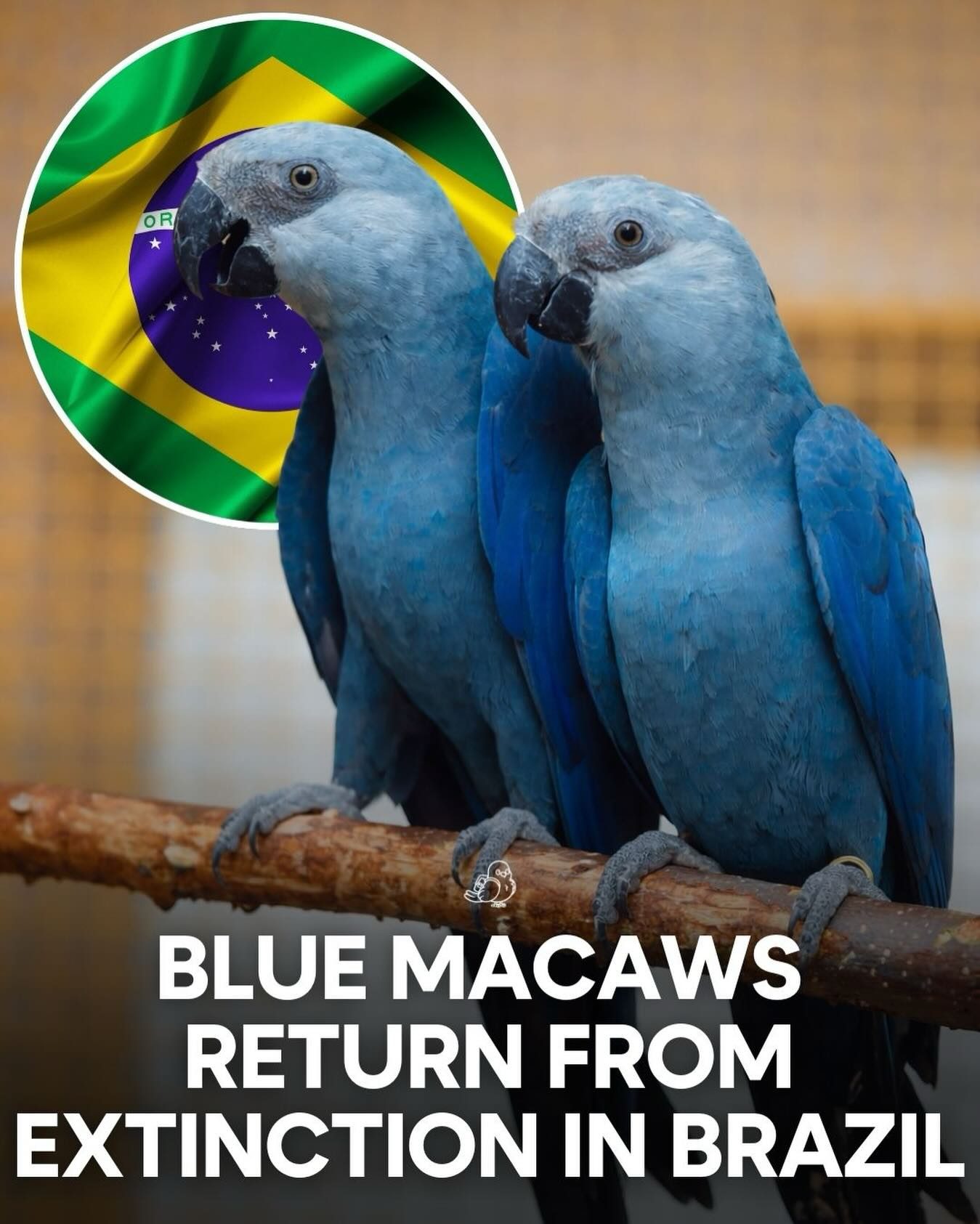
The Remarkable Return of the Spix’s Macaw to Brazil’s Wild
The Spix’s Macaw, once considered one of the world’s rarest parrots, has made a remarkable comeback. Declared extinct in the wild in 2000, this vibrant blue bird has now been successfully reintroduced to its native habitat in Brazil’s Caatinga region. This story is a testament to the power of conservation efforts and the dedication of scientists and environmental organizations working to protect wildlife.
Why This Matters
The return of the Spix’s Macaw from extinction is more than just a success story for a single species; it is a beacon of hope for conservation efforts worldwide. This parrot’s resurgence highlights the importance of habitat protection and the illegal wildlife trade’s devastating effects. The Spix’s Macaw’s journey serves as a reminder that with concerted effort, even the most endangered species can be given a second chance.
The Plight of the Spix’s Macaw
Habitat Destruction and Illegal Wildlife Trade
The Spix’s Macaw faced two significant threats: habitat destruction and illegal wildlife trade. Deforestation and land clearing for agriculture and urban development have severely reduced the Caatinga’s habitat. These activities not only destroyed the macaws' homes but also fragmented their remaining habitat, making it difficult for the birds to find mates and resources. Simultaneously, the illegal wildlife trade decimated their populations, as these beautiful birds were captured and sold as pets. The combination of these factors led to their extinction in the wild.
Captive Breeding Programs
Fortunately, a small population of Spix’s Macaws survived in captivity. These birds became the foundation for a global captive breeding program. This initiative aimed to increase their numbers and eventually reintroduce them into the wild. The program involved zoos, wildlife sanctuaries, and conservation organizations working together to ensure the survival of the species.
The Road to Reintroduction
Conservation Efforts
The reintroduction of the Spix’s Macaw was a decades-long process. It involved meticulous planning, monitoring, and support from various organizations and individuals. Conservationists worked tirelessly to create suitable habitats, protect against poaching, and mitigate the impact of human activities on the birds' new home.
Successful Reintroduction
After years of dedication, the Spix’s Macaw was finally reintroduced into the Caatinga region in Brazil. The release of these birds was a historic moment, marking the first time in over two decades that the species had flown freely in the wild. The reintroduction process involves continuous monitoring and support to ensure the birds adapt to their new environment and thrive.
Practical Tips for Supporting Wildlife Conservation
Protect Habitats
One of the most effective ways to support wildlife conservation is by protecting and preserving natural habitats. This can be achieved through initiatives like reforestation, sustainable land-use practices, and creating protected areas. These efforts help ensure that wildlife has a safe and stable environment to live in.
Support Conservation Organizations
Supporting organizations dedicated to wildlife conservation is crucial. These organizations play a vital role in protecting endangered species, conducting research, and implementing conservation programs. By donating, volunteering, or raising awareness, you can contribute to their efforts and make a real difference.
Advocate for Stronger Wildlife Laws
Advocating for stronger wildlife laws and policies is essential for combating illegal wildlife trade and habitat destruction. This can involve supporting legislation that protects endangered species, increases penalties for wildlife crimes, and promotes sustainable practices.
Educate and Raise Awareness
Raising awareness about the importance of conservation and the threats facing wildlife is key. By educating others and promoting responsible behavior, you can help foster a culture of respect and protection for our natural world. Engaging in public discussions, sharing reliable information, and supporting educational initiatives can all contribute to this effort.
Important Takeaways
The return of the Spix’s Macaw to Brazil’s wild is a remarkable achievement, showcasing the power of dedication and collaborative efforts in conservation. It serves as a reminder that even the most endangered species can be given a second chance through sustained and focused conservation efforts. The journey of the Spix’s Macaw underscores the critical importance of habitat protection, the devastating impact of illegal wildlife trade, and the success of captive breeding programs.
Conclusion
The Spix’s Macaw’s return to the wild is a triumph of conservation. It is a testament to what can be achieved when communities, scientists, and environmental organizations work together towards a common goal. As we celebrate this remarkable comeback, let it inspire us to continue protecting our natural world and giving wildlife a second chance. Every step towards restoring lost ecosystems is a step towards a more sustainable and harmonious future.
Watch the Reel
Questions readers ask
Why was the Spix’s Macaw declared extinct in the wild?
The Spix’s Macaw was declared extinct in the wild in 2000 due to significant habitat loss and illegal trapping for the pet trade. These factors led to a drastic decline in its population, making it one of the rarest parrots in the world.
What role did conservation efforts play in the Spix’s Macaw’s return?
Conservation efforts played a pivotal role in the Spix’s Macaw’s return. Through coordinated initiatives by scientists and environmental organizations, captive breeding programs, and habitat restoration, the species was successfully reintroduced to its native habitat in Brazil.
How significant is the Spix’s Macaw’s return to Brazil’s ecosystem?
The return of the Spix’s Macaw to Brazil’s wild is significant as it indicates the potential for successful species recovery. The Spix’s Macaw plays a crucial role in its native ecosystem. Its comeback offers hope for other endangered species and underscores the importance of persistent conservation efforts.
What are the main threats to the Spix’s Macaw’s continued survival?
The main threats to the Spix’s Macaw’s continued survival include habitat destruction, illegal wildlife trade, and the potential for disease. Ongoing conservation efforts, including habitat protection and monitoring, are essential to ensure the species’ long-term survival.
What can be learned from the Spix’s Macaw’s comeback story?
The Spix’s Macaw’s comeback story serves as a powerful reminder of the importance of protecting wildlife and their habitats. It demonstrates that with dedicated efforts, even species on the brink of extinction can be successfully reintroduced. Additionally, it highlights the devastating impact of illegal wildlife trade on endangered species.
What specific actions have been taken to reintroduce the Spix’s Macaw to the wild?
The specific actions taken to reintroduce the Spix’s Macaw to the wild include captive breeding programs, habitat restoration in Brazil’s Caatinga region, and the establishment of protected areas. These efforts involved coordinated work by conservationists, scientists, and environmental organizations.
What role does Brazil’s Caatinga region play in the Spix’s Macaw’s recovery?
Brazil’s Caatinga region plays a crucial role in the Spix’s Macaw’s recovery as it is the species’ native habitat. The region’s specific ecological conditions are essential for the macaw’s survival. Conservation efforts in the Caatinga focus on habitat restoration and protection to ensure the species can thrive in the wild.
Related deep dives
Similar reads based on topic and creator.




Recent articles
Fresh deep dives from the latest Reels we unpacked.




Comments
Be the first to comment.