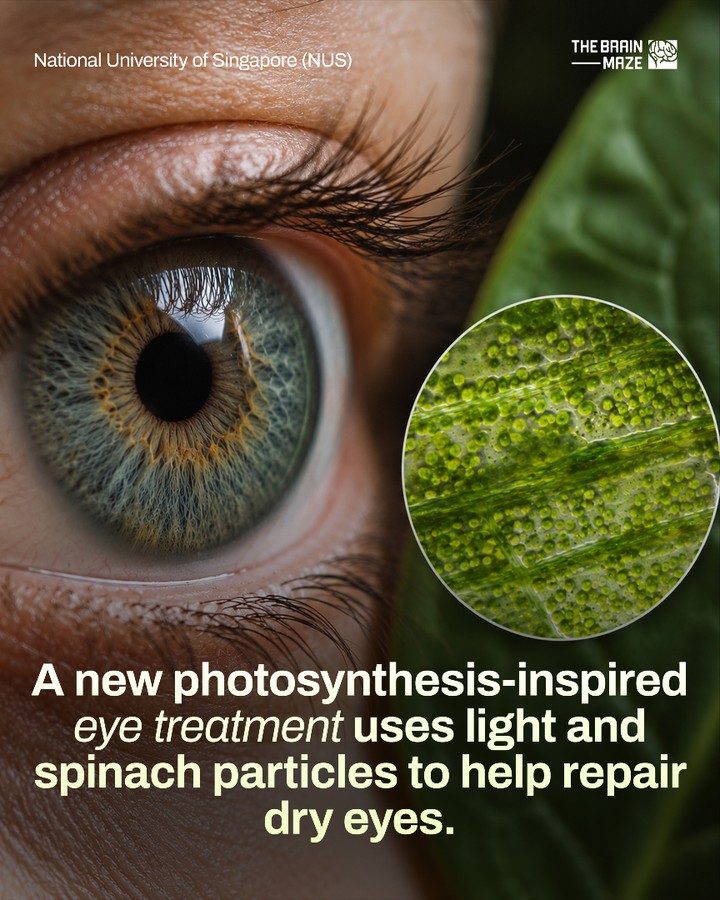
Photosynthesis-inspired Eye Treatment
Dry eyes are a common condition that affects millions of people worldwide. Symptoms can include redness, irritation, and a gritty feeling. Traditional treatments often involve artificial tears, warm compresses, or prescription medications. However, a groundbreaking new approach inspired by the natural process of photosynthesis offers a novel solution.
Why This Matters
Innovations in eye care are crucial as dry eye syndrome (DES) becomes increasingly widespread. Traditional treatments, while effective for some, do not address the underlying issues for everyone. The new eye treatment from THE BRAIN MAZE, using light and spinach particles, aims to provide a more effective and natural solution for dry eyes.
Main Discussion
The Science Behind the Treatment
At the heart of this innovative treatment is the concept of photosynthesis. Researchers at the National University of Singapore (NUS) discovered that tiny particles from spinach plants can be harnessed to mimic the photosynthesis process within the eye. When light enters the eye, these plant particles help eye cells produce a protective molecule that reduces inflammation and damage.
How It Works
The eye drop, called LEAF, contains these spinach-derived particles. When applied to the eye, these particles interact with light to stimulate the production of a protective molecule in the eye cells. This molecule works to reduce inflammation and repair damage, effectively alleviating symptoms of dry eyes. The process is non-invasive and leverages the body's natural healing mechanisms.
Clinical Studies and Results
Studies conducted on LEAF have shown promising results. Participants reported significant improvements in dry eye symptoms within just five days of using the treatment. Importantly, LEAF outperformed some existing medicines in these trials, demonstrating its potential as a superior treatment option. Given its natural and non-invasive approach, LEAF could offer significant benefits for those suffering from chronic dry eye symptoms.
The Potential Impact
Dry eye syndrome is a widespread condition that can significantly impact quality of life. Traditional treatments often provide temporary relief but do not address the root cause of the issue. This new approach, inspired by photosynthesis, offers a more sustainable and effective solution. By harnessing the power of natural processes, LEAF could revolutionize the way we treat dry eyes and potentially help millions of people worldwide.
Practical Tips
Incorporating LEAF into Your Eye Care Routine
- Consult a Healthcare Provider: Before starting any new treatment, it's essential to consult with a healthcare provider to ensure it's suitable for your specific needs.
- Follow Application Instructions: Carefully follow the instructions provided with LEAF for proper application. Typically, eye drops should be applied directly to the eye, avoiding contact with the tip of the dropper to the eye or any surface.
- Be Consistent: Consistency is key. Use the drops as recommended, usually once or twice a day, to see the best results.
- Avoid Irritants: Minimize exposure to irritants like smoke, dust, and harsh chemicals, which can exacerbate dry eye symptoms.
- Maintain a Healthy Lifestyle: Regular eye check-ups, a balanced diet, and adequate hydration can support overall eye health and enhance the effectiveness of treatments like LEAF.
Important Takeaways
LEAF represents a significant advancement in eye care, leveraging natural processes to address a common and often debilitating condition. Key points to remember include:
- Natural and Non-Invasive: The treatment uses spinach-derived particles and natural light, making it a safe and non-invasive option.
- Effective and Fast-Acting: Clinical studies have shown improvements in symptoms within just five days.
- Better Than Some Existing Medicines: LEAF outperformed some traditional treatments in clinical trials.
- Potential for Broad Impact: This innovative approach could help millions of people with dry eyes.
Conclusion
The new photosynthesizing eye treatment utilizing spinach particles offers a promising and natural solution for those suffering from dry eyes. By harnessing the power of light and nature, this treatment could significantly improve the quality of life for millions of people. As research continues, LEAF and similar innovations may become the new standard in eye care, offering a more effective and sustainable approach to treating dry eye syndrome.
Watch the Reel
Questions readers ask
How do spinach-powered eye drops work to treat dry eyes?
Spinach-powered eye drops, known as LEAF, work by harnessing the power of spinach particles to produce a protective molecule in eye cells. This process mimics photosynthesis, helping to reduce inflammation and repair damaged cells, which can alleviate symptoms of dry eyes.
What are the benefits of using spinach eye drops for dry eye relief?
Spinach eye drops offer a natural, non-invasive solution for dry eyes. Unlike traditional treatments, they address underlying issues by reducing inflammation and repairing cell damage, providing more comprehensive relief. Additionally, they are inspired by natural processes, making them an appealing option for those seeking alternatives to conventional medications.
Who developed the LEAF eye treatment using spinach particles?
The LEAF eye treatment was developed by THE BRAIN MAZE. This innovative approach leverages the power of spinach particles and light to treat dry eye syndrome, offering a new and effective solution inspired by natural processes.
What makes the LEAF eye treatment different from other dry eye treatments?
The LEAF eye treatment stands out because it addresses the underlying causes of dry eyes by using spinach particles to stimulate the production of protective molecules in eye cells. This method aims to reduce inflammation and repair damage, unlike traditional treatments that often focus on temporary relief.
What does NUS eye research say about the effectiveness of spinach eye drops?
Researchers at the National University of Singapore (NUS) have contributed to the development of the LEAF eye treatment. Their findings have shown promising results, with the treatment demonstrating the ability to reduce inflammation and promote cellular repair, thereby improving symptoms of dry eyes.
Are there any plans to make this treatment widely available in Singapore?
The developers of the LEAF eye treatment, THE BRAIN MAZE, aim to provide a more effective and natural solution for dry eyes. While specific availability plans in Singapore have not been detailed, ongoing research and development suggest that this innovative treatment may become more accessible in the future.
What are the potential side effects of using spinach eye drops?
As of now, there is no definitive information on the side effects of spinach eye drops. However, since the treatment is natural and non-invasive, it is expected to have minimal side effects. As with any new treatment, it's important to consult with a healthcare provider before beginning the use of spinach eye drops.
Related deep dives
Similar reads based on topic and creator.




Recent articles
Fresh deep dives from the latest Reels we unpacked.




Comments
Be the first to comment.