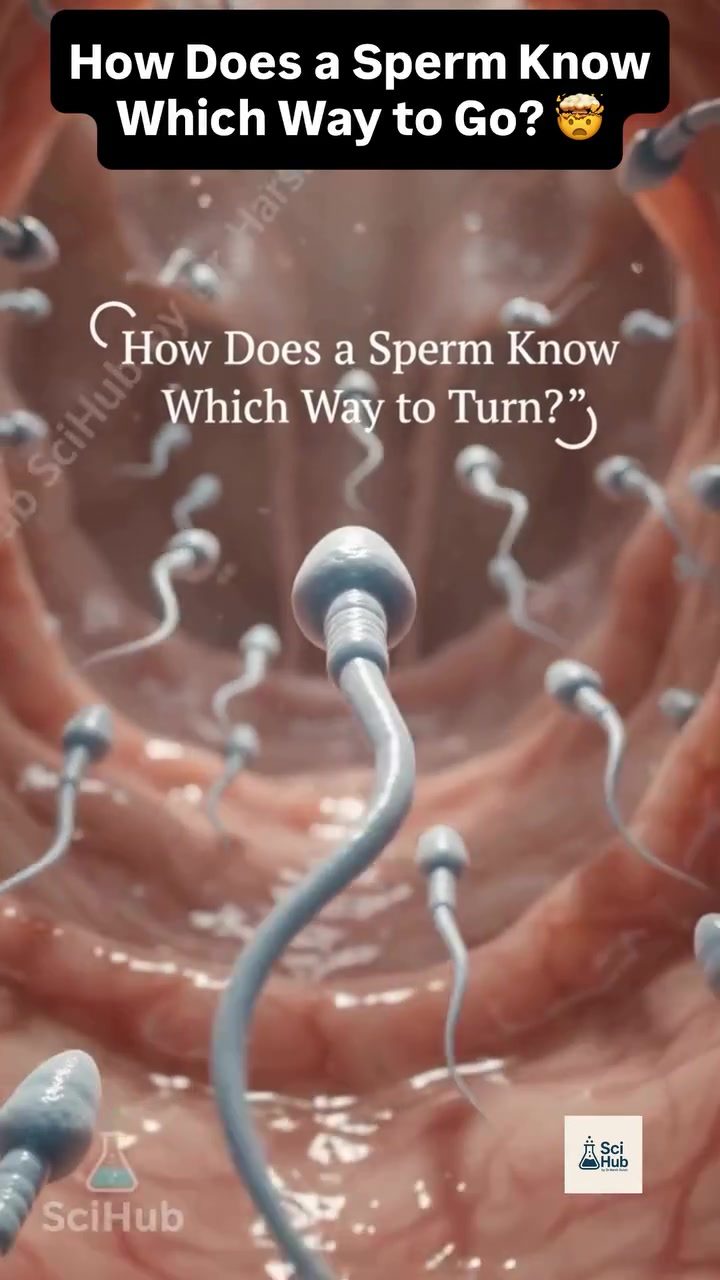
Science Behind Sperm Navigation
The journey of a sperm cell to an egg is a fascinating example of nature's precision. The process involves an intricate guidance system that relies on subtle cues rather than luck. To navigate the female reproductive system, sperm use several natural signals to find their way to the egg. Let's explore how this remarkable journey unfolds.
Why This Matters
Understanding sperm navigation offers insights into human reproduction and the intricate mechanisms that ensure the journey of sperm is neither chaotic nor random. This guidance system is a testament to the sophisticated processes that occur within the body, enabling successful fertilization.
First Step
At first, sperm do not possess the ability to distinguish between the two fallopian tubes. Both tubes might appear identical, leaving the sperm to wander initially. This early phase is crucial as it sets the stage for the more guided navigation that follows. Sperms swim blindly, relying on random motility to explore their surroundings. This initial movement is not guided by any specific cue but rather by the natural motion of fluids within the tubes.
Temperature Cues
Once sperm enter the fallopian tubes, nature begins to provide guidance. The fallopian tube containing the egg is slightly warmer than the other one. This small but significant temperature difference allows sperm to sense which path to take. Sperms are equipped with the ability to detect these minute variations in temperature, using them as navigational aids.
Tiny fluid currents help direct sperm movement. These currents create a subtle flow that nudges the sperm in the right direction. This physical guidance ensures that sperm are efficiently directed towards the warmer tube, increasing the chances of successful fertilization.
Chemical Signals
In addition to temperature cues, the egg itself releases chemical signals. These signals act like a natural Global Positioning System (GPS) that sperm can follow. As sperm get closer to the egg, they become more sensitive to these chemical signals, guiding them directly to the egg. Each signal serves as a beacon, ensuring that sperm navigate accurately towards their target.
These chemical signals are crucial in the final stages of the journey. They provide the necessary precision needed for sperm to reach the egg, ensuring that fertilization occurs efficiently. The egg is constantly releasing these chemicals, creating a trail that sperm can follow.
Nature’s Precision
Nature has devised a remarkably precise navigation system for sperm. This system does not require eyes, a brain, or any conscious decisions from the sperm. Instead, it relies on natural cues such as temperature differences and chemical signals. These mechanisms work together to ensure that the sperm successfully reach the egg, despite the complexities of the female reproductive system.
The process is a marvel of biological engineering. It showcases how nature orchestrates intricate processes without the need for complex machinery or advanced technology. The guidance system ensures that sperm are directed towards the right path, maximizing the chances of fertilization.
Practical Tips
While the navigation of sperm is a natural process, understanding it can provide valuable insights for assisted reproductive technologies. For instance, knowing the role of temperature and chemical signals can help improve the success rates of in vitro fertilization (IVF) procedures. By mimicking the natural conditions, scientists can enhance the efficiency of sperm guidance in laboratory settings.
Optimizing Sperm Health
Maintaining sperm health is crucial for successful navigation. Lifestyle factors such as diet, exercise, and avoiding harmful substances can significantly influence sperm motility and viability. Ensuring optimal health can enhance the sperm's ability to follow natural cues and reach the egg.
Important Takeaways
The navigation of sperm to the egg is a complex yet fascinating process. Key takeaways from this journey include:
- Initial Random Motility: Sperms swim randomly at first, exploring the fallopian tubes.
- Temperature Cues: The fallopian tube containing the egg is slightly warmer, guiding sperm towards it.
- Chemical Signals: The egg releases chemical signals that act as a natural GPS for sperm.
- Nature’s Guidance: The process relies on natural cues, ensuring precise navigation without the need for conscious decisions.
By understanding these mechanisms, we gain a deeper appreciation for the intricacies of human reproduction and the remarkable efficiency of nature's guidance systems.
Conclusion
The navigation of sperm to the egg is a testament to nature's precision and efficiency. Through a combination of temperature cues, chemical signals, and natural fluid currents, sperm are guided towards their destination with remarkable accuracy. This process highlights the sophistication of biological engineering, showcasing how nature ensures successful reproduction without the need for advanced technology. By understanding and appreciating these mechanisms, we can gain valuable insights into human reproductive biology and potentially improve assisted reproductive technologies.
Watch the Reel
Questions readers ask
Why is the journey of sperm to the egg considered guided rather than random?
The journey of sperm to the egg is guided by a series of natural signals, including temperature gradients, fluid currents, and chemical signals. This intricate guidance system ensures that the process is not left to chance, thereby increasing the likelihood of successful fertilization.
Can sperm initially tell the difference between the fallopian tubes?
Initially, sperm cells do not possess the ability to distinguish between the two fallopian tubes. They rely on the temperature gradients and chemical signals present in the reproductive system to guide them toward the egg, which resides in one of the fallopian tubes.
What is the role of temperature gradients in sperm navigation?
Temperature gradients serve as crucial cues for sperm to navigate their journey. The female reproductive system has subtle temperature variations that help the sperm cells direct their movement, steering them toward the egg.
How do chemical signals assist in the sperm's journey?
Chemical signals released by the female reproductive system act as a GPS for sperm cells. These signals help sperm detect the location of the egg, ensuring a more direct and efficient path toward fertilization.
What are fluid currents and how do they impact sperm movement?
Fluid currents in the reproductive tract help propel sperm cells toward the egg. By riding these currents, sperm can conserve energy and navigate more efficiently through the complex environment of the reproductive system.
What happens during the sperm and egg interaction?
Upon reaching the egg, the sperm cell must penetrate the outer layer of the egg, known as the zona pellucida. This interaction triggers a series of chemical reactions that ultimately lead to the fusion of the sperm and egg cell, initiating fertilization and potential human development.
Does the sperm's journey offer insights into human reproduction?
The journey of sperm through the female reproductive system provides valuable insights into the mechanisms of human reproduction. Understanding this process helps demystify the intricate nature of fertilization and the factors that influence its success.
Related deep dives
Similar reads based on topic and creator.




Recent articles
Fresh deep dives from the latest Reels we unpacked.




Comments
Be the first to comment.