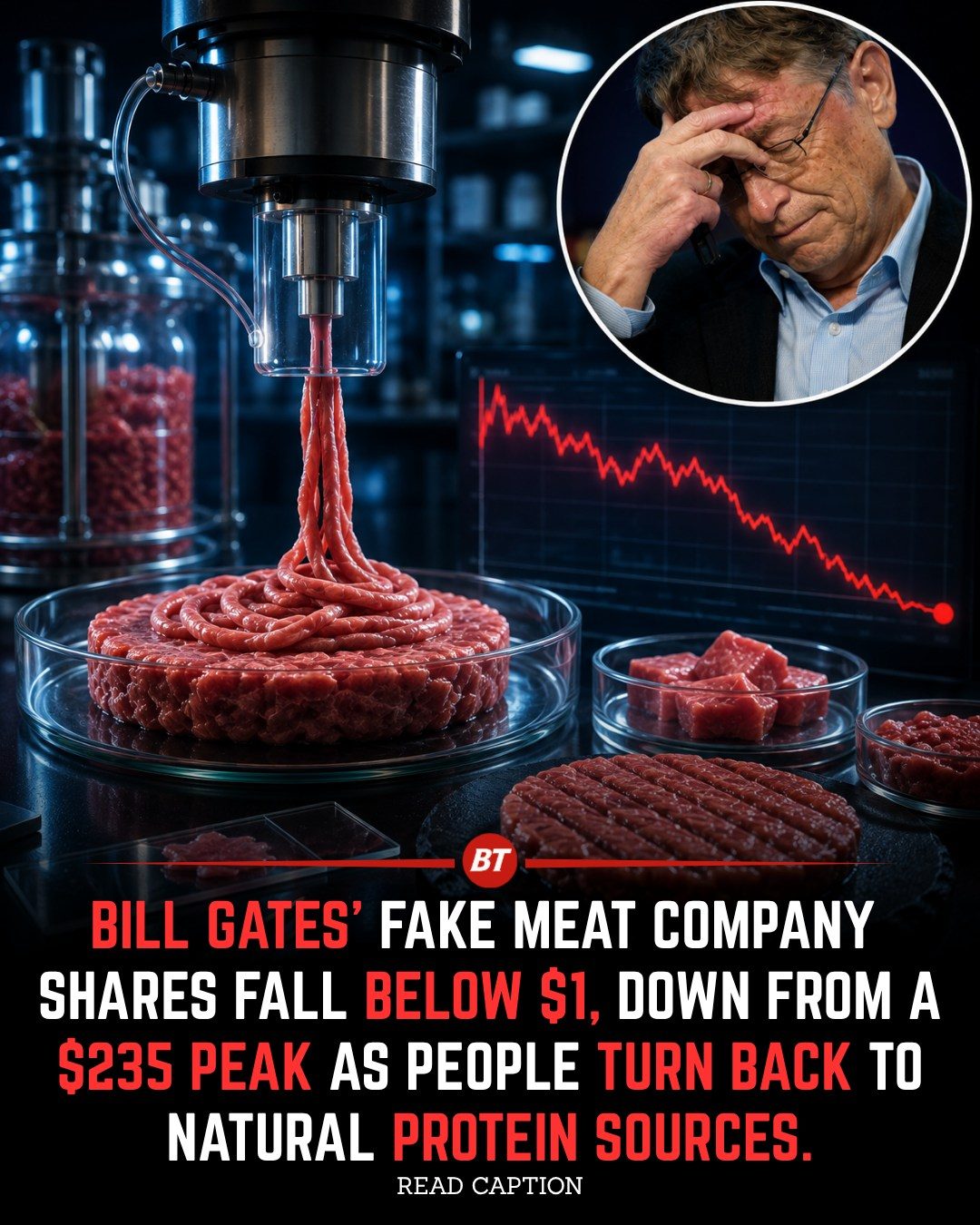
The Rise and Fall of Plant-Based Meat Stocks
The dramatic decline of a prominent player in the plant-based meat industry has sparked widespread attention. In recent years, one of the biggest successes in this sector, Beyond Meat, saw its stock value plummet from a peak of nearly $235 to below $1. This stark drop is just one piece of the puzzle in the complex landscape of the plant-based meat industry.
Why This Matters
The decline of plant-based meat stocks highlights broader trends in consumer behavior and the volatility of the food industry. Understanding the factors behind this shift can offer valuable insights into the future of plant-based alternatives and the overall market for meat substitutes.
Beyond Meat was once heralded as the future of food, backed by prominent investors like Bill Gates and embraced by consumers looking for healthier, more sustainable protein sources. Its meteoric rise saw the company's value skyrocket to billions of dollars, making it a darling of Wall Street. Restaurants added it to their menus, and many believed traditional meat could soon be replaced by plant-based alternatives. The stock was a favorite among investors, buoyed by optimistic forecasts and the allure of a meat-free future.
Factors Contributing to the Decline
The journey of Beyond Meat from industry darling to financial struggler is a multifaceted story.
Weakening Consumer Demand
While the initial hype around plant-based meat was intense, consumer demand has since wavered. One of the primary reasons for this is the shift towards less processed food products. Many consumers are now opting for simpler, more natural protein sources, which has led to a decline in the demand for plant-based meat products.
Higher Prices and Financial Pressures
The lofty expectations for plant-based meat products did not translate into sustainable profit margins. The prices of these products have often been higher than traditional meat, making them less accessible to a broader consumer base. This, combined with increased production costs and financial pressures, has put a strain on the profitability of companies in this sector.
Changing Buying Habits
The buying habits of today's consumers are dynamic, and this has significantly impacted the plant-based meat industry. Consumers are now more health-conscious and environmentally aware, but this doesn't always translate into a preference for plant-based meat. Many are turning back to natural protein sources, viewing them as healthier and more sustainable options.
Practical Tips for Investors and Consumers
For those invested in this industry or considering plant-based options, there are several key points to think about.
Stay Informed About Market Dynamics
The plant-based meat industry is highly dynamic, and market trends can change rapidly. Staying informed about consumer preferences, market demand, and industry innovations can help investors make better decisions. For consumers, being aware of the latest trends in plant-based and natural protein sources can guide their dietary choices.
Diversify Your Diet and Portfolio
Both investors and consumers can benefit from diversification. For investors, diversifying their portfolios to include various sectors and companies can mitigate risks associated with market volatility. Consumers, on the other hand, can benefit from a balanced diet that includes a variety of protein sources, both plant-based and natural.
Consider Sustainable Alternatives
The push for sustainability is not going away, and consumers are increasingly looking for eco-friendly options. While plant-based meats were once seen as a cornerstone of sustainable eating, there are now other alternatives that may better meet consumer needs. Algae-based proteins, insect-based proteins, and other novel sources are gaining traction as sustainable and nutritious options.
Important Takeaways
The dramatic decline of Beyond Meat’s stock value offers several key insights into the plant-based meat industry.
Consumer Preferences Vary
What was once a highly sought-after market segment is now facing a decline in demand. Consumer preferences are not static, and companies must adapt to changing tastes and buying habits. This underscores the importance of understanding and responding to consumer needs.
Financial Sustainability is Crucial
The high initial stock values and market excitement did not translate into long-term financial sustainability. Companies in this sector need to focus on cost efficiency and profitability to ensure long-term success. Without a sustainable business model, even the most promising ventures can falter.
Innovation and Adaptability are Key
The plant-based meat industry is evolving, and adaptability is crucial. Companies that can innovate and respond to changing market conditions are more likely to thrive. This includes not only developing better products but also understanding and meeting consumer demands for healthier, more sustainable options.
Conclusion
The remarkable rise and fall of plant-based meat stocks illustrate the complexities of the food industry. While the decline of Beyond Meat’s stock value may signal a shift in consumer preferences and market dynamics, it also presents opportunities for innovation and growth. Whether plant-based meat products will make a comeback or continue to evolve into new forms remains to be seen, but one thing is clear: the future of protein sources is ripe for innovation and adaptation.
Watch the Reel
Questions readers ask
Why did Beyond Meat's stock experience such a dramatic decline?
Beyond Meat's stock decline can be attributed to a combination of factors, including changing consumer preferences, increased competition, and financial challenges within the plant-based meat sector. The company's once sky-high stock value peaked and then fell sharply, reflecting broader industry shifts.
What role did Bill Gates play in the rise of plant-based meat stocks?
Bill Gates was an early and prominent investor in the plant-based meat industry, backing companies like Beyond Meat. His involvement helped to boost the visibility and credibility of plant-based meat stocks, attracting significant investment and attention from Wall Street.
What are the key factors driving the volatility in the plant-based meat industry?
The plant-based meat industry faces volatility due to fluctuating consumer preferences, shifting market trends, and financial challenges. As consumer tastes change and competition heats up, companies in this sector must adapt quickly to maintain their market position.
How does the decline in plant-based meat stocks impact the broader food industry?
The decline in plant-based meat stocks signals a shift in consumer behavior and market dynamics. It highlights the need for companies to innovate and differentiate their products to stay competitive in a rapidly changing market.
What can investors learn from the fall of Beyond Meat's stock value?
Investors can learn that plant-based meat stocks, while promising, are subject to market volatility and changing consumer trends. It's crucial to stay informed about industry developments and reassess investment strategies to mitigate risks in this sector.
Recent articles
Fresh deep dives from the latest Reels we unpacked.




Comments
Be the first to comment.