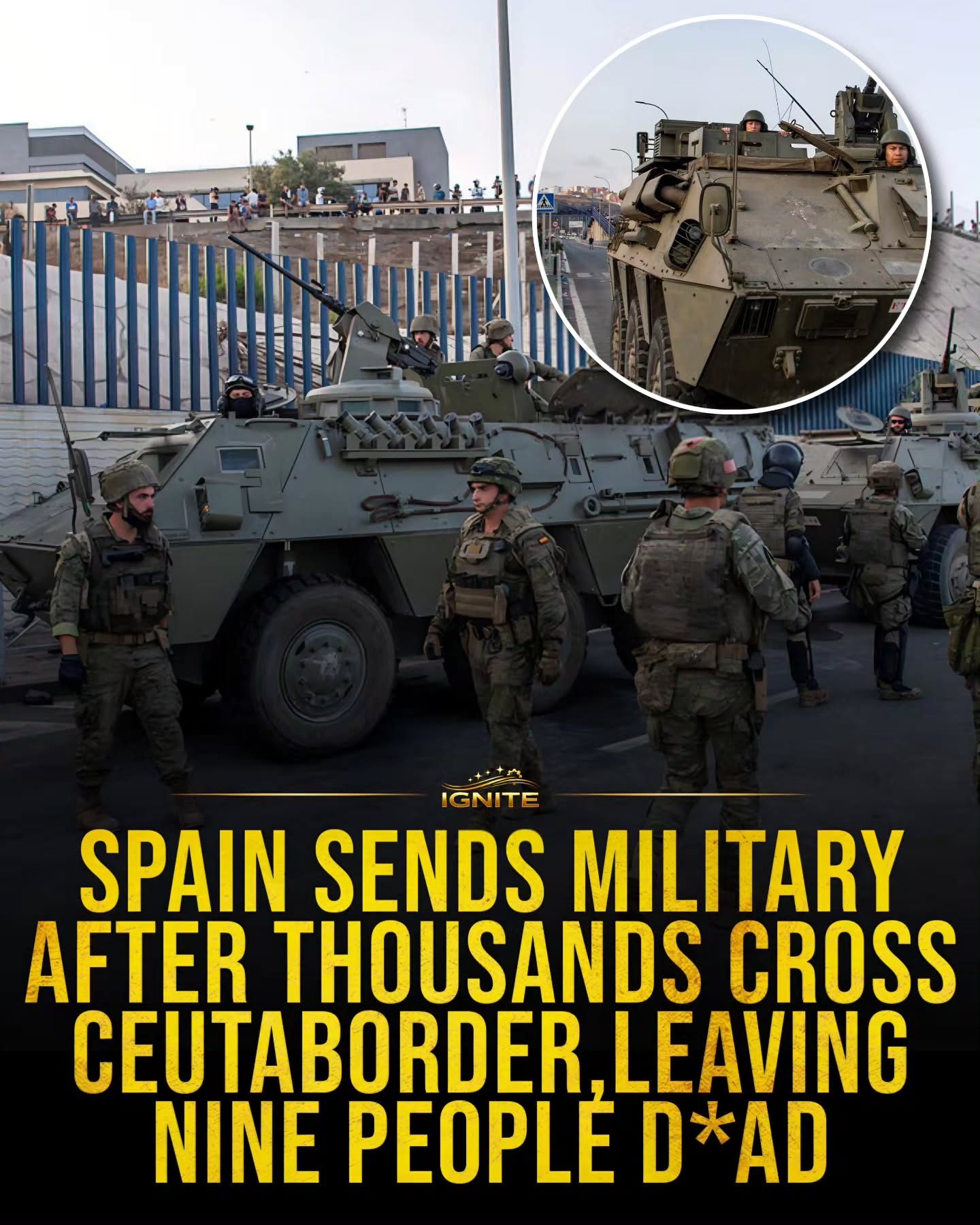
Spanish Military Deployment at the Ceuta Border
The Spanish military has been deployed to the Ceuta border following a significant influx of people attempting to cross. This deployment has raised important questions about border security, immigration policies, and the humanitarian aspects of managing such events. Here we will discuss the context, the key points surrounding this incident, and what it means for the region and its people.
The Ceuta Border and Its Significance
Ceuta is a Spanish autonomous city located on the northern tip of Africa, bordering Morocco. Its strategic location makes it a crucial point for both trade and migration. The border between Ceuta and Morocco has long been a flashpoint for immigration attempts, with many people trying to enter Europe through this route. The recent deployment of Spanish military personnel and armored vehicles highlights the escalating tensions and the need for heightened security measures.
The Intense Event of the Ceuta Border Crossing
In this recent event, thousands of people attempted to cross the border from Morocco into Ceuta. The scale of the crossing was unprecedented and resulted in significant chaos and casualties. The incident left nine people dead, marking a tragic outcome that has sparked widespread attention and concern.
Military forces were swiftly deployed to manage the situation, aiming to restore order and prevent further breaches. This deployment involved armored vehicles and well-equipped personnel, indicating the severity of the situation and the Spanish government's commitment to securing its territorial integrity. The visuals of the incident showcase the stark reality of border management, with large groups of people attempting to cross amidst a heavily militarized environment.
The Role of Military Vehicles in Border Security
Military vehicles, such as armored personnel carriers and other tactical transport units, play a crucial role in border security operations. These vehicles provide both mobility and protection for personnel, allowing them to quickly respond to and manage situations that arise during border incidents. The deployment of these vehicles in Ceuta highlights their essential role in maintaining border integrity and safety.
The use of military vehicles in such scenarios is not merely about deterrence but also about providing a rapid response in case of emergencies. When thousands of people attempt to cross a heavily fortified border, the risk of injuries and casualties increases significantly. Military vehicles can navigate through rough terrain, providing medical support, and can transport essential supplies and personnel to the affected areas.
Managing Humanitarian Concerns
While the primary objective of deploying military personnel and vehicles is to secure the border, the human cost of such incidents cannot be overlooked. The nine fatalities and the broader humanitarian concerns underscore the need for a balanced approach that addresses both security and humanitarian needs.
Border security measures must be implemented in a way that respects human rights and provides assistance to those in distress. This includes ensuring that medical aid is readily available, setting up temporary shelters, and facilitating the safe and orderly processing of asylum seekers. It is crucial for border security forces to be well-equipped to handle both the security and humanitarian aspects of such events.
Practical Tips for Border Security Management
Managing border incidents of this magnitude requires a multi-faceted approach. Here are some practical tips for border security management:
-
Training and Preparedness: Regular training for military and border security personnel is essential to ensure they are prepared to handle large-scale border incidents. This includes training in crowd control, medical response, and the use of tactical vehicles.
-
Coordination with Local Authorities: Effective coordination with local authorities, including law enforcement and medical services, is crucial for managing a border incident. This ensures that all necessary resources are available and that the response is coordinated and effective.
-
Use of Technology: Modern technology, such as surveillance drones, thermal imaging, and communication devices, can enhance border security. These tools provide real-time information and enable a faster, more accurate response to incidents.
-
Humanitarian Assistance: Providing immediate and effective humanitarian assistance is critical. This includes setting up medical tents, ensuring water and food supplies, and providing psychological support for those involved.
-
Information Sharing: Sharing information with international partners and organizations can help in managing border incidents more effectively. This includes sharing data on migrant flows, security threats, and humanitarian needs.
Important Takeaways
The deployment of the Spanish military at the Ceuta border highlights several key points:
-
Border Security: The incident underscores the importance of having a robust and well-prepared border security system. This includes the use of military vehicles, tactical training, and coordination with local authorities.
-
Humanitarian Aspects: Balancing security measures with humanitarian concerns is essential. The tragic loss of life highlights the need for a holistic approach that provides for both security and the well-being of those involved.
-
Preparedness: Effective border management requires ongoing preparedness, including regular training, the use of modern technology, and coordination with various stakeholders.
Conclusion
The deployment of the Spanish military at the Ceuta border following a large-scale crossing attempt underscores the complexity and challenges of border security in today's world. The incident highlights the importance of having a well-prepared and coordinated response to such events, as well as the need to balance security with humanitarian concerns. By learning from these experiences, we can develop more effective strategies for managing borders, ensuring the safety and dignity of all those involved.
Watch the Reel
Questions readers ask
Why was the Spanish military deployed to the Ceuta border?
The Spanish military was deployed to the Ceuta border in response to a large number of people attempting to cross from Morocco. This deployment was a reaction to the escalating situation and aimed to manage the influx of people and maintain border security.
What is the significance of the Ceuta border?
The Ceuta border is a crucial junction for both trade and migration. Its strategic location on the northern tip of Africa, bordering Morocco, makes it a key point for those attempting to enter Europe. The border has historically been a contentious area for immigration attempts and border management.
What are the key challenges associated with the Ceuta border crisis?
The Ceuta border crisis presents several challenges, including the effective management of a large influx of people, ensuring the safety and well-being of those attempting to cross, and balancing border security with humanitarian concerns. The situation also sheds light on the broader issues of immigration policies and international cooperation.
How does the Spanish military deployment affect border management?
The deployment of Spanish military vehicles and personnel at the Ceuta border enhances border control capabilities, allowing for more robust management of the situation. It also signifies a heightened state of readiness to address potential security threats and humanitarian needs, although it may not solve the underlying issues causing the influx.
What is the role of Morocco in the Ceuta border conflict?
Morocco plays a significant role in the Ceuta border conflict due to its geographical proximity and the shared border. The recent influx of people attempting to cross from Morocco has put a strain on the relationship between Spain and Morocco, and the situation reflects broader geopolitical dynamics in the region.
What measures are being taken to address the humanitarian aspects of the crisis?
While the primary focus of the Spanish military deployment is on border security, there are also efforts to address the humanitarian aspects of the crisis. This includes providing aid and support to those in need, coordinating with international organizations, and working towards more comprehensive immigration policies that balance security with compassion.
What does the Ceuta border crisis reveal about immigration policies in Spain?
The Ceuta border crisis highlights the complexities and challenges of immigration policies in Spain. It underscores the need for effective border management strategies, international cooperation, and comprehensive policies that address both the immediate crisis and the long-term issues related to migration and border security.
Recent articles
Fresh deep dives from the latest Reels we unpacked.




Comments
Be the first to comment.