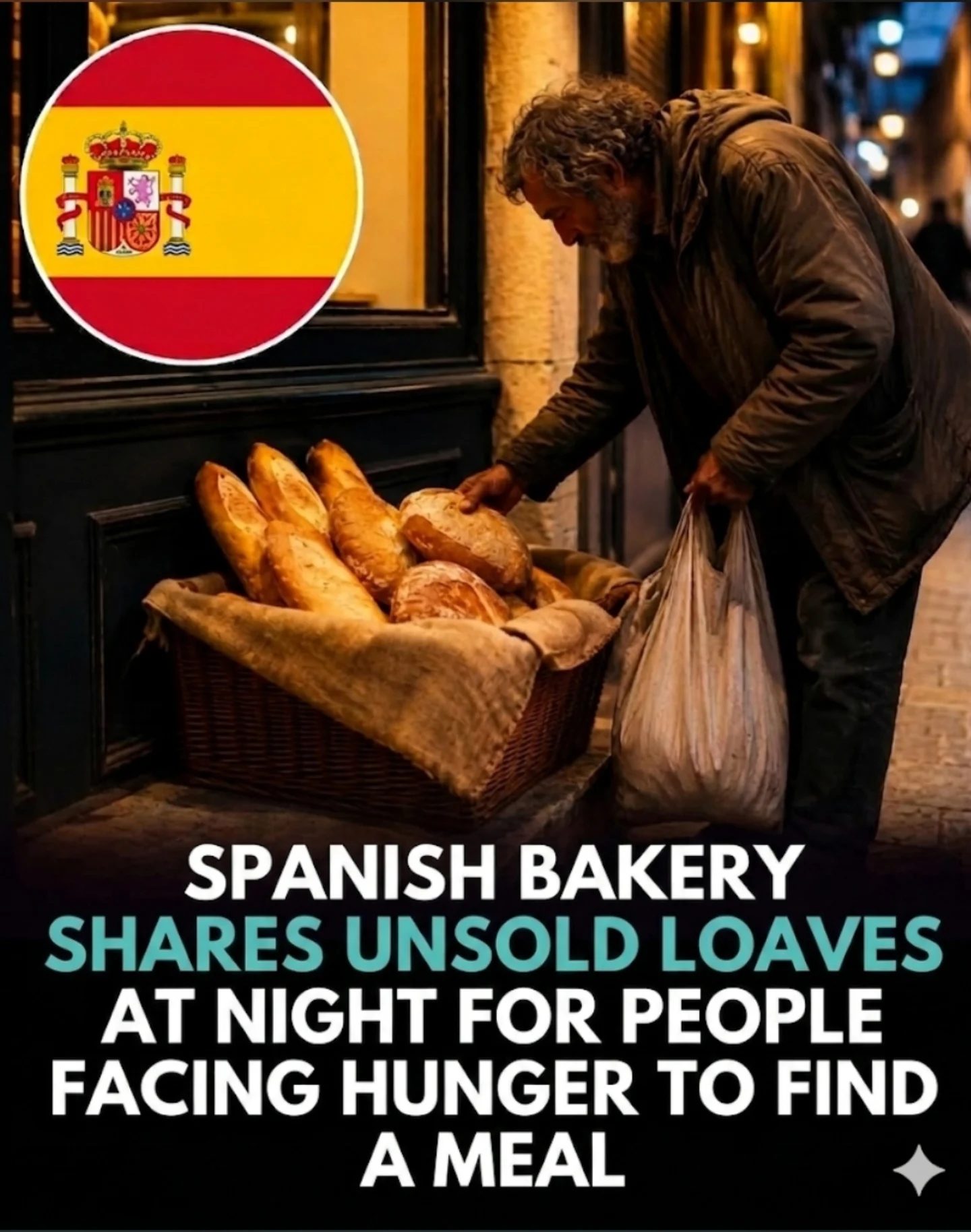
Bread and Community: Spain's Nightly Bake-Basket Initiative
Bread, a staple in many cultures, is a mainstay in Spanish diets and a symbol of community in Spain. Step into the bustling streets of Spain after dark, and you'll find an unexpected sight—a basket of fresh bread. Local bakeries in Spain are tackling food insecurity one loaf at a time, turning surplus bread into nourishment for those in need. But how does this work, and why does it matter?
Context / Why this matters
Food waste and hunger are pressing issues worldwide. In Spain, local bakeries are playing a vital role in addressing both problems. By donating unsold bread to people facing hunger, these bakeries are not only reducing food waste but also providing essential nutrition to those in need. This initiative is a testament to the power of community-driven solutions. It shows that small, consistent efforts can make a significant difference in the fight against food insecurity.
The Nightly Bake-Basket
What it is
The initiative is simple yet impactful. After closing hours, bakeries place unsold loaves of bread in baskets outside their storefronts. These baskets are left accessible for people facing financial hardship to collect fresh food at night. This practice ensures that nutritious food is not wasted and reaches those who need it most.
Why it matters
Food insecurity affects millions of people worldwide, and Spain is no exception. The nightly bake-basket initiative is a grassroots solution that addresses this issue directly. It provides a simple, dignified way for people to access fresh bread without having to rely on traditional food assistance programs. More importantly, it fosters a sense of community and support, reinforcing the idea that everyone has a role to play in addressing social issues.
The Bake-Basket in Barcelona
How it works
In Barcelona, this practice has become a meaningful tradition. Baskets of freshly baked bread are placed outside bakeries at night, and people facing hunger can collect them discreetly. This approach ensures that individuals can access food without feeling stigmatized or embarrassed. It also encourages a sense of community, as the baskets often display messages of support and kindness.
The impact
The impact of this initiative is felt on multiple levels. First, it reduces food waste by redistributing surplus bread that would otherwise go to waste. Second, it provides essential nutrition to those in need, ensuring that they have access to fresh, nutritious food. Third, it fosters a sense of community and support, as the initiative relies on the collective effort of bakeries and the community.
Practical Tips
For bakeries
If you're a baker interested in implementing a similar initiative, here are some practical tips to get you started:
- Assess your surplus: Determine how much bread goes unsold each night. This will help you plan the quantity to place in the baskets.
- Choose a suitable location: Place the baskets in a location that is both accessible and discreet, ensuring that people can collect the bread without feeling embarrassed.
- Promote the initiative: Share the initiative with your community through social media, local newspapers, or community bulletin boards. This will help raise awareness and encourage participation.
- Collaborate with local organizations: Partnering with local food banks or community centers can help you reach a broader audience and amplify the impact of your initiative.
For community members
If you'd like to support this initiative, consider the following:
- Spread the word: Share information about the initiative with friends, family, and neighbors. The more people know about it, the more it can help.
- Participate if needed: If you or someone you know is facing financial hardship, don't hesitate to take advantage of this resource.
- Show appreciation: Letters, notes, or small tokens of gratitude left in the baskets can boost the morale of those involved in the initiative.
Important Takeaways
The nightly bake-basket initiative in Spain demonstrates the power of community-driven solutions. It highlights how simple, consistent efforts can make a significant difference in addressing food insecurity and reducing food waste. Here are some key takeaways:
- Community-driven initiatives can be effective in addressing social issues.
- Redistributing surplus food can help reduce food waste and address hunger.
- Simple, dignified solutions can make a significant impact.
- Collaboration between local businesses and the community can amplify the impact of social initiatives.
Conclusion
The nightly bake-basket initiative in Spain serves as an inspiring example of how communities can come together to address food insecurity and reduce food waste. By turning surplus bread into nourishment for those in need, bakeries in Spain are making a tangible difference in their communities. This initiative highlights the importance of collective effort, community support, and simple, effective solutions. Whether you're a baker or a community member, there are practical ways to support and participate in similar initiatives, ensuring that no one goes hungry.
Watch the Reel
Questions readers ask
How do the nightly bread donations in Spain work?
After closing for the day, local bakeries in Spain place their surplus bread in baskets outside their storefronts. These baskets are then available for collection by individuals in need during the night, providing them with access to fresh, nutritious food.
What types of bread are typically donated in this initiative?
The types of bread donated vary by bakery, but they typically include a mix of the bakery's surplus loaves, such as baguettes, rolls, and specialty breads. The bread is usually freshly baked and would otherwise go to waste if not collected.
Who benefits from the nightly bread donations in Spain?
The primary beneficiaries are individuals and families in need, including those experiencing food insecurity or hunger. By collecting the donated bread, they gain access to nutritious food that would otherwise be discarded, helping to alleviate their hunger and improve their access to nourishment.
How does this initiative help in fighting food waste in Spain?
The nightly bread donations play a significant role in fighting food waste by ensuring that unsold bread is redistributed rather than discarded. This way, the surplus bread is put to good use, reducing the amount of food waste generated by bakeries and contributing to a more sustainable and efficient food system.
Are there any safety measures in place to ensure the quality of the donated bread?
While specific safety measures may vary, many bakeries ensure that the bread donated is fresh and safe for consumption. The bread is typically placed in baskets outside the storefronts at the end of the day, ensuring that it is as fresh as possible and reducing the risk of contamination or spoilage.
How can local communities support this initiative?
Local communities can support this initiative by spreading awareness about the nightly bread donations. Encouraging neighbors and friends to collect the bread and informing organizations that can further distribute the bread can help maximize the impact of these donations. Additionally, communities can express gratitude to participating bakeries for their generosity.
What role do bakeries play in Spain's hunger relief efforts?
Bakeries in Spain play a crucial role in hunger relief efforts by donating their surplus bread to those in need. This not only helps to feed individuals and families facing hunger but also fosters a sense of community and social responsibility among bakeries and their customers, demonstrating the power of collective action in addressing food insecurity.
Related deep dives
Similar reads based on topic and creator.
Recent articles
Fresh deep dives from the latest Reels we unpacked.




Comments
Be the first to comment.