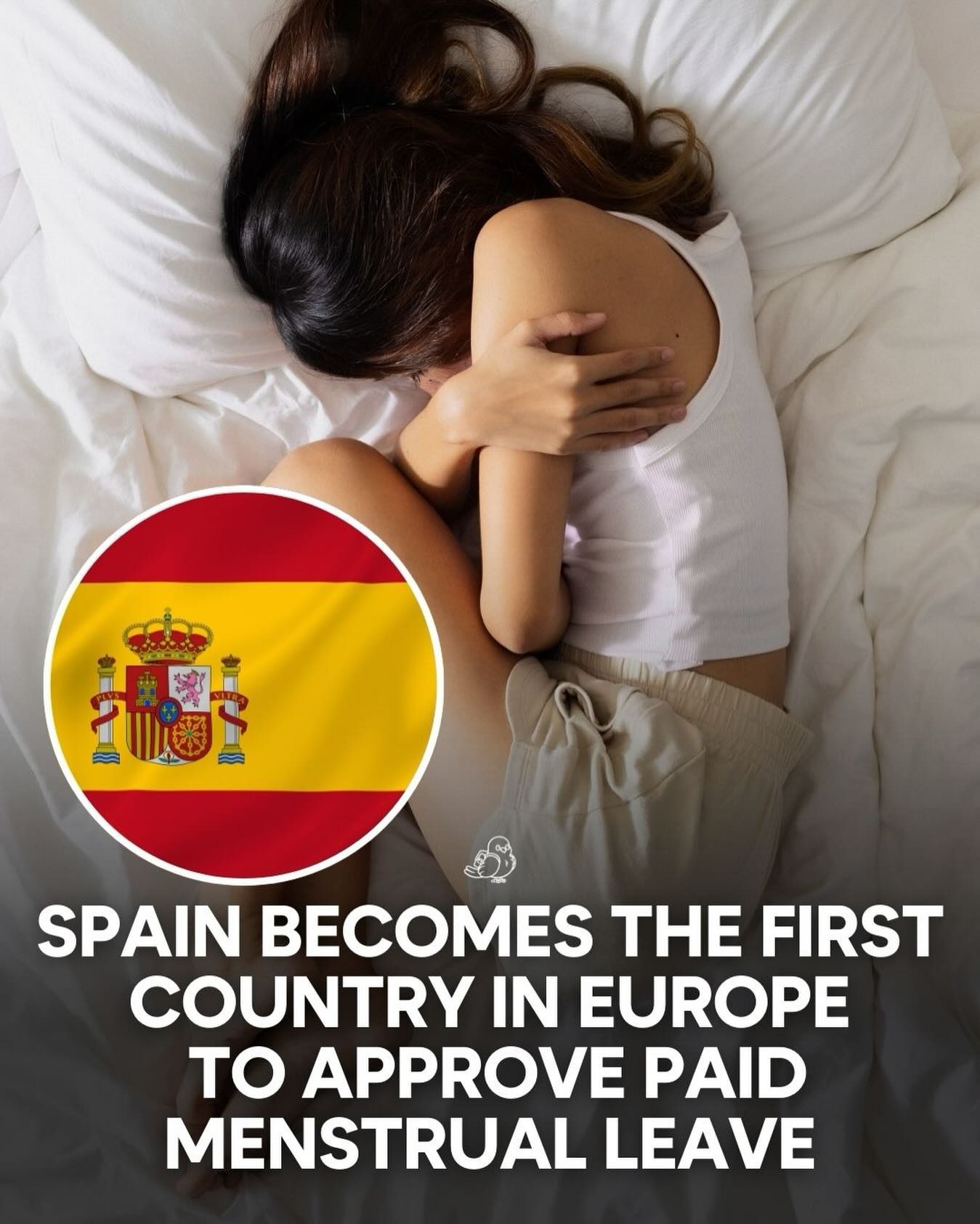
Spain's Paid Menstrual Leave: A Step Towards Workplace Equity
Spain has made a significant stride in promoting workplace equality and women's health by becoming the first country in Europe to approve paid menstrual leave. This groundbreaking policy allows individuals experiencing severe period pain to take paid time off work, marking a historic move in the European Union.
Why This Matters
Menstrual health is a critical aspect of overall well-being, yet it has often been overlooked in workplace policies. The introduction of paid menstrual leave in Spain addresses a long-standing issue, ensuring that those who suffer from debilitating menstrual symptoms do not have to endure pain while working. This policy not only supports individual health but also challenges the taboos surrounding menstruation in the workplace.
Understanding Spain's New Policy
What is Paid Menstrual Leave?
Paid menstrual leave allows employees to take time off work due to severe menstrual pain without losing pay. In Spain, this leave is funded by the state's social security system, rather than individual employers, which ensures that businesses are not financially burdened. To qualify, individuals must obtain a doctor's approval, ensuring that the leave is used appropriately.
How It Works
Under the new law, employees can take paid leave for severe menstrual symptoms. This policy is part of a broader reform package that aims to strengthen reproductive rights, including access to abortion services. The legislation is designed to break down workplace taboos around menstruation and ensure that those suffering from debilitating symptoms do not have to work in pain.
Broader Implications
Spain's new policy is part of a broader trend towards recognizing menstrual health as a critical aspect of overall well-being. While only a handful of countries worldwide currently offer menstrual leave, Spain's move could inspire others to follow suit. This policy not only supports individual health but also challenges the stigma surrounding menstruation in the workplace.
Practical Tips for Employees and Employers
For Employees
- Seek Medical Approval: If you experience severe menstrual symptoms, consult a healthcare provider to discuss your options for menstrual leave.
- Understand Your Rights: Familiarize yourself with the specific guidelines and requirements for taking menstrual leave in your workplace.
- Communicate Openly: Open communication with your employer about your health needs can help ensure that you receive the support you need.
For Employers
- Educate Your Team: Provide information and resources to help employees understand their rights and the process for taking menstrual leave.
- Create a Supportive Environment: Foster a workplace culture that is open and supportive of menstrual health, ensuring that employees feel comfortable discussing their needs.
- Review Policies: Regularly review and update your workplace policies to ensure they align with new legislation and support employee well-being.
Important Takeaways
Spain's paid menstrual leave policy is a significant step towards recognizing the importance of menstrual health in the workplace. By providing paid leave for severe menstrual symptoms, Spain is setting a precedent for other countries to follow. This policy not only supports individual health but also challenges the taboos surrounding menstruation, promoting a more equitable and inclusive workplace.
Conclusion
Spain's introduction of paid menstrual leave is a historic move that underscores the importance of menstrual health and workplace equity. This policy supports those suffering from debilitating menstrual symptoms and challenges workplace taboos, paving the way for a more inclusive and supportive work environment. As other countries consider similar policies, Spain's example serves as a valuable model for promoting menstrual equity and overall well-being in the workplace.
Watch the Reel
Questions readers ask
What are the key provisions of Spain's new menstrual leave policy?
Spain's new policy allows employees with severe menstrual pain to take paid time off work. This leave is funded by the state, ensuring that individuals do not lose pay when they need to take time off for menstrual health reasons.
How does Spain's menstrual leave policy support gender equality?
By addressing a health issue that primarily affects individuals who menstruate, Spain's policy helps to level the playing field in the workplace. It ensures that those who experience severe menstrual pain are not disadvantaged in their careers.
Is Spain the first country in the world to implement paid menstrual leave?
No, Spain is the first country in Europe to implement paid menstrual leave. However, a few other countries, such as Japan and Indonesia, have had similar policies in place for some time.
Who is eligible for menstrual leave in Spain?
The policy is designed to support individuals who experience severe menstrual pain that interferes with their ability to work. Specific details on eligibility criteria, such as the required level of pain or necessary documentation, have not been specified.
How is the paid menstrual leave funded?
The paid menstrual leave in Spain is funded by the state, which means that employers do not bear the financial burden of this policy. This state funding ensures that the policy is sustainable and does not place an undue burden on businesses.
What are the potential benefits of menstrual leave policies?
Menstrual leave policies can lead to improved health outcomes for those who menstruate, as well as increased job satisfaction and productivity. By addressing a significant health issue, these policies can also help to reduce workplace absenteeism and presenteeism.
How might other European countries respond to Spain's historic move?
Spain's policy could serve as a catalyst for other European countries to consider implementing similar measures. It may spark conversations about menstrual health in the workplace and encourage other nations to take action to support their employees' well-being.
Recent articles
Fresh deep dives from the latest Reels we unpacked.




Comments
Be the first to comment.