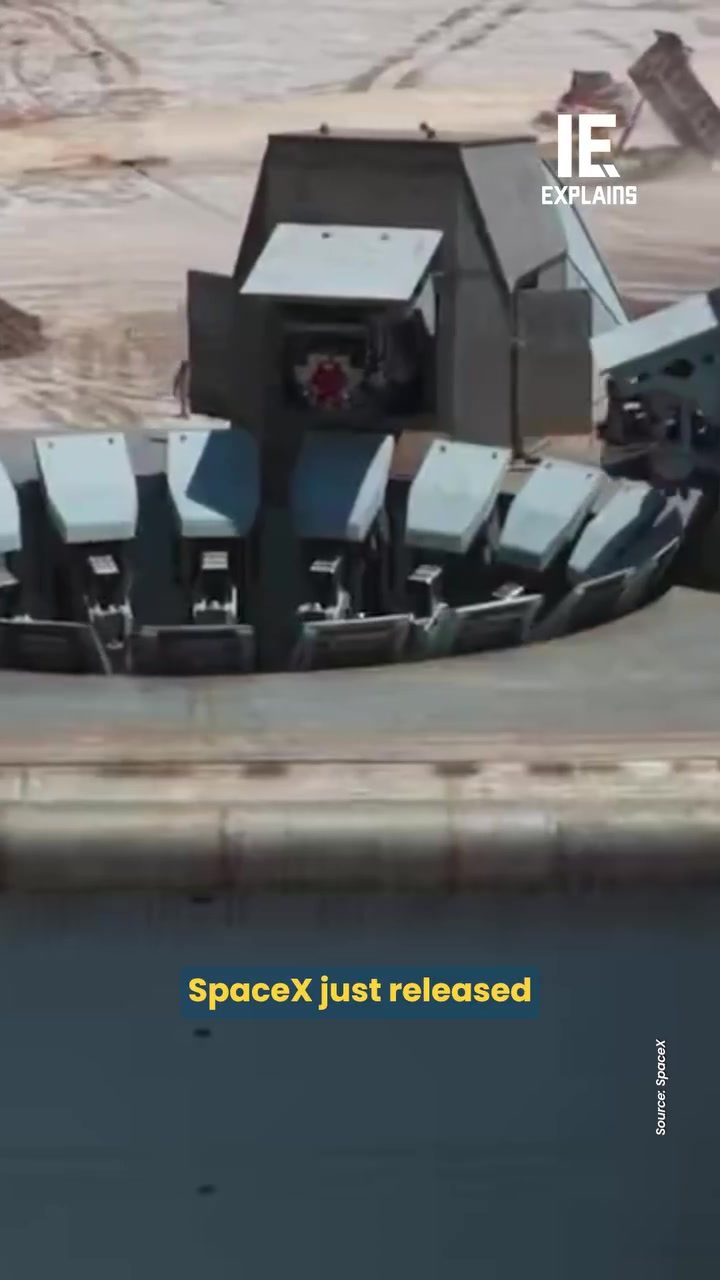
SpaceX's Starship Flight Test: A Monumental Milestone
SpaceX has introduced a new documentary, “Critical Path,” that offers an unparalleled look into the intense final days leading up to the historic launch of Starship V3. This roughly half-hour documentary provides a behind-the-scenes view of the relentless efforts at Starbase, highlighting the engineering and logistical challenges faced by the team at Boca Chica, Texas.
The Starship V3 is a significant upgrade, standing at approximately 124 meters and equipped with upgraded Raptor engines. This version boasts more liftoff thrust than any rocket ever built, making it the most powerful rocket in history. The successful launch of Flight 12 on May 22, 2026, marked the first time a rocket took off from Starbase’s second pad. This launch was a pivotal moment for SpaceX, showcasing the culmination of months of hard work and dedication.
Why This Matters
The Starship program is a cornerstone of SpaceX's ambitious goals for space exploration and colonization. The successful launch and deployment of 22 Starlink test satellites from an improved pez-style dispenser demonstrate the program's progress and potential. The ability to recover and reuse rockets is a game-changer, significantly reducing the cost and complexity of space travel. Despite the Super Heavy booster's loss after separating from the ship and crashing into the Gulf, the mission's success in reaching space and deploying satellites underscores the program's robustness.
Highlights of the Documentary
The Final Days at Starbase
“Critical Path” dives into the chaotic final days leading up to the launch. Engineers and technicians worked tirelessly to overcome last-minute technical obstacles and make crucial engineering trade-offs. The documentary offers a glimpse into the round-the-clock effort required to prepare the rocket for its historic flight. Teams at Boca Chica faced monumental challenges, from ensuring the structural integrity of the rocket to fine-tuning the launch systems for optimal performance.
Liftoff and Ascent
The countdown to liftoff is meticulously captured, showing the tension and excitement building among the team. The rocket's ascent into space was a breathtaking spectacle, reaching an altitude of approximately 1,450 kilometers per hour. The deployment of 22 Starlink test satellites from an improved pez-style dispenser was a critical milestone, demonstrating the rocket's capability to deliver payloads into orbit.
The Super Heavy Booster's Fate
Although the Super Heavy booster was lost after separation, crashing into the Gulf, the mission's overall success cannot be understated. The loss of the booster highlights the ongoing challenges in developing fully reusable rockets. However, the data and experience gained from this mission will be invaluable for future launches. The next phase of the Starship program, potentially showcased in future episodes of the “Critical Path” series, will focus on catching the booster in flight, a monumental achievement in rocket reusability.
The Future of Starship
The documentary not only covers the technical aspects but also provides a glimpse into the human element of the mission. The dedication and perseverance of the teams at Starbase are evident, and their story is a testament to the resilience and innovation driving the Starship program forward. As SpaceX continues to push the boundaries of space exploration, the lessons learned from Flight 12 will be instrumental in future missions.
Practical Tips for Aspiring Engineers
Collaboration and Teamwork
The success of the Starship program underscores the importance of collaboration and teamwork in engineering. The challenges faced by the team at Starbase highlight the need for effective communication and cooperation among engineers, technicians, and other stakeholders. The ability to work together efficiently is crucial for overcoming the complex problems associated with rocket development and launch.
Resilience and Adaptability
The journey of the Starship program is marked by resilience and adaptability. The team's ability to overcome last-minute obstacles and make critical trade-offs is essential for a successful mission. These skills are vital for any engineer working in the field, where problems can arise at any moment, and quick, effective solutions are necessary.
Important Takeaways
The launch of Starship V3 and the subsequent deployment of Starlink test satellites mark a significant milestone in space exploration. The documentary “Critical Path” offers a rare glimpse into the behind-the-scenes efforts and challenges faced by the team at Starbase. The lessons learned from this mission will be invaluable in future launches and the ongoing development of the Starship program.
The loss of the Super Heavy booster, while a setback, provides valuable data and experience for future missions. The next phase of the program, focusing on catching the booster in flight, represents a significant step forward in rocket reusability and cost-effectiveness.
Conclusion
SpaceX’s “Critical Path” documentary is a must-watch for anyone interested in space exploration and engineering. It provides a comprehensive look into the relentless efforts and challenges faced by the team at Starbase, leading up to the historic launch of Starship V3. The mission's success in reaching space and deploying satellites underscores the program's potential and the resilience of the team. As SpaceX continues to push the boundaries of space travel, the lessons learned from Flight 12 will be crucial for future missions and advancements in rocket technology. The Starship program represents a significant milestone in humanity's journey to explore and colonize the cosmos, and its success is a testament to the dedication and innovation of the engineers and technicians at Starbase.
Watch the Reel
Questions readers ask
What makes the Starship V3 particularly notable in the history of SpaceX's rocket development?
The Starship V3 stands out as the most powerful rocket ever built, featuring enhanced Raptor engines and generating more liftoff thrust than any previous rocket, exceeding all prior achievements in SpaceX's rocket lineup.
Why is the launch of Starship V3 from Starbase's second pad a significant milestone for SpaceX?
The launch of Starship V3 from Starbase’s second pad, which took place for the first time on May 22, 2026, signifies a major advancement, underscoring SpaceX's ongoing progress in space exploration and demonstrating its ability to reuse and recover rockets effectively.
What can viewers expect to see in the 'Critical Path' documentary about Starship V3?
'Critical Path' offers an exclusive behind-the-scenes look at the final days leading to the Starship V3 launch, showcasing the tireless efforts of SpaceX's team in Boca Chica, Texas, and the engineering and logistical hurdles they faced.
What are the main enhancements in the Starship V3 compared to its predecessors?
The Starship V3 features notable upgrades, including a height of approximately 124 meters and improved Raptor engines, which collectively make it the most powerful rocket in history, surpassing all prior models in terms of liftoff thrust.
How does the Starship V3 contribute to SpaceX's broader mission for space exploration?
The Starship V3 plays a pivotal role in SpaceX's mission by showcasing the company's capability to build and launch the most powerful rocket to date, which is crucial for ambitious space exploration and colonization endeavors.
What were some of the challenges faced by the SpaceX team during the preparation for the Starship V3 launch, as shown in 'Critical Path'?
The 'Critical Path' documentary highlights the intense engineering and logistical challenges the SpaceX team encountered at Starbase, including the complex processes involved in preparing and launching the Starship V3, all within a critical 30-day period.
Why is the successful launch of Flight 12 significant for SpaceX?
The successful launch of Flight 12 marked the first time a rocket took off from Starbase’s second pad, demonstrating SpaceX's ability to recover and reuse rockets, and advancing their goal of making space exploration and colonization more achievable.
Related deep dives
Similar reads based on topic and creator.



Recent articles
Fresh deep dives from the latest Reels we unpacked.




Comments
Be the first to comment.