The CAS500-2 Earth Observation Satellite and the Future of SpaceX's Rideshare Missions
The Launch of CAS500-2
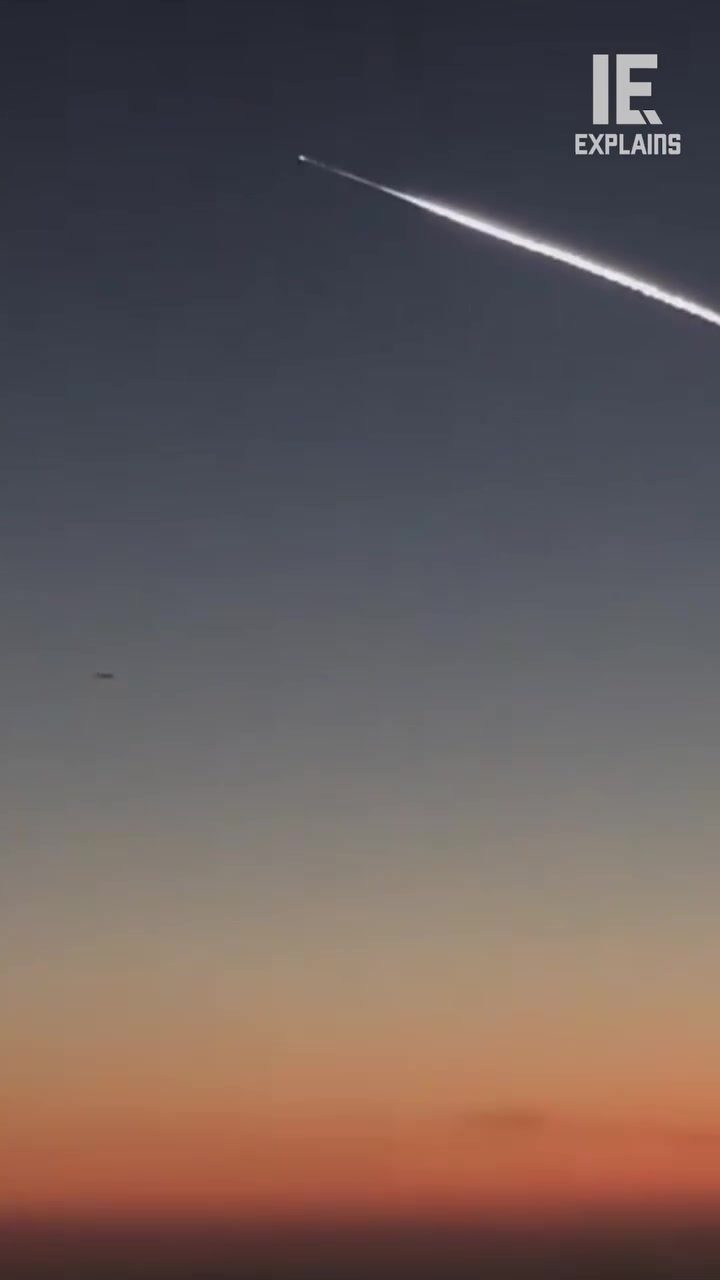
At midnight on May 3, 2026, a SpaceX Falcon 9 rocket launched 45 satellites into orbit from Vandenberg Space Force Base in California. This mission, known as CAS-502, was a significant event for several reasons. The star of the show was CAS500-2, a 500-kilogram Earth observation satellite built by South Korea's Korea Aerospace Research Institute (KARI). Originally scheduled to launch on a Russian rocket in 2022, geopolitical events delayed its journey to orbit until May 2026, when it finally lifted off on a Falcon 9 booster making its 33rd launch.
The CAS-502 Rideshare Mission
The CAS-502 mission was a rideshare, meaning multiple payloads from different clients were grouped onto a single launch vehicle. Alongside the CAS-500-2 satellite, 44 other satellites—including CubeSats and Microsats from companies like Planet Labs, Link Global, and True Anomaly—were deployed. ExoLaunch, a notable player in the small satellite launch market, deployed 21 CubeSats and 18 Microsats in two separate sequences. About 60 minutes after liftoff, the CAS500-2 satellite was deployed into Sun Synchronous Orbit, a polar orbit that ensures consistent lighting conditions for Earth imaging.
The Role of Rideshare Missions
Rideshare missions function as a satellite carpool, significantly reducing the financial barrier to orbit for smaller operators. By grouping numerous small payloads from various clients onto one launch vehicle, SpaceX has made space more accessible and affordable. This model has turned rocket reuse and rideshare missions into an assembly line, providing smaller operators with affordable access to orbit.
The Falcon 9 Booster
One of the most impressive aspects of the CAS-502 mission was the performance of the Falcon 9 first stage, booster B1071. Just 7.5 minutes after liftoff, this booster successfully landed back at Vandenberg Space Force Base, marking its 33rd launch and landing. This milestone highlights SpaceX's capability in rocket reuse, which is a crucial factor in making space travel more cost-effective.
Earth Observation Satellites
Earth observation satellites, like the CAS500-2, play a critical role in monitoring and understanding our planet. These satellites capture high-resolution images and data that are used for various applications, including environmental monitoring, disaster response, and urban planning. The consistent lighting conditions provided by a Sun Synchronous Orbit enhance the quality and reliability of the data collected, making these satellites invaluable for scientific research and practical applications.
CubeSats and Microsats
CubeSats and Microsats are small, low-cost satellites that have revolutionized space exploration. They are used for a wide range of applications, from scientific research to commercial services. Their small size and relatively low cost make them accessible to a broader range of organizations, including universities, startups, and even high schools. The deployment of 21 CubeSats and 18 Microsats by ExoLaunch during the CAS-502 mission demonstrates the growing importance of these small satellites in the space industry.
The Future of SpaceX's Rideshare Missions
SpaceX's rideshare missions are paving the way for a more accessible and affordable space sector. By reusing rockets and grouping multiple payloads onto a single launch, SpaceX has significantly reduced the costs associated with reaching orbit. This model not only benefits smaller operators but also fosters innovation and competition in the space industry. As SpaceX continues to refine its rideshare capabilities, we can expect to see even more ambitious and diverse missions in the future.
Important Takeaways
The CAS500-2 mission highlights several key points about the current state and future of space exploration:
- Earth observation satellites, like CAS500-2, are crucial for monitoring and understanding our planet.
- Rideshare missions make space more accessible and affordable for smaller operators.
- The reusability of rockets, as demonstrated by the Falcon 9 booster, is a game-changer in the space industry.
- CubeSats and Microsats are revolutionizing space exploration with their small size and low cost.
Conclusion
The successful launch of the CAS500-2 Earth observation satellite and the deployment of 44 other satellites during the CAS-502 rideshare mission marks a significant milestone in space exploration. This mission showcases the capabilities of SpaceX in rocket reuse, rideshare missions, and the deployment of Earth observation satellites. With continued innovation and investment, the space industry is poised for even more exciting developments in the years to come.
Watch the Reel
Questions readers ask
What is the significance of the CAS-502 mission for SpaceX and its partners?
The CAS-502 mission is significant as it showcases SpaceX's capability to launch multiple satellites in a single mission. For the partners, this mission represents the democratization of space access, allowing smaller operators and companies to share launch costs and reach orbit more affordably.
Why was the KARI CAS500-2 satellite launch delayed?
The KARI CAS500-2 satellite was originally scheduled to launch on a Russian rocket in 2022, but geopolitical events led to a delay. The satellite finally launched in May 2026 as part of the CAS-502 rideshare mission aboard a SpaceX Falcon 9 rocket.
What is a rideshare launch and how does it benefit smaller satellite operators?
A rideshare launch involves multiple payloads from different clients being launched together on a single rocket. This benefits smaller satellite operators by significantly reducing launch costs, as they share the expense of the launch with other parties.
How many satellites were launched in the CAS-502 mission and what type of satellite was the focus?
The CAS-502 mission launched a total of 45 satellites into orbit. The focus of the mission was the CAS500-2, an Earth observation satellite built by South Korea's Korea Aerospace Research Institute (KARI).
What role does the Falcon 9 rocket play in SpaceX's satellite launch capabilities and how does the booster landing process contribute to SpaceX's operations?
The Falcon 9 rocket is a key asset for SpaceX, known for its reusable boosters. The booster landing process reduces launch costs and increases the frequency of launches, which is advantageous for both SpaceX and their clients, as it allows for more affordable and accessible space missions.
What is the benefit of launching satellites from Vandenberg Space Force Base and have there been any notable launches from this site?
Launching from Vandenberg Space Force Base in California allows for access to a wide range of orbital inclinations, including polar orbits, which are ideal for Earth observation satellites. SpaceX has had several notable launches from Vandenberg, including the CAS-502 mission, which was pivotal for the deployment of the CAS500-2 satellite.
Does SpaceX provide information about the success of satellite deployment and what happens to the satellites after they are deployed?
Yes, after each launch, SpaceX provides updates on the success of satellite deployment. Following deployment, the satellites are typically maneuvered into their designated orbits where they begin operation. For instance, the KARI CAS500-2 satellite will start its Earth observation mission once it reaches its operational orbit.
Related deep dives
Similar reads based on topic and creator.




Recent articles
Fresh deep dives from the latest Reels we unpacked.




Comments
Be the first to comment.