The Revolutionary Technology of Space-Based Solar Mirrors
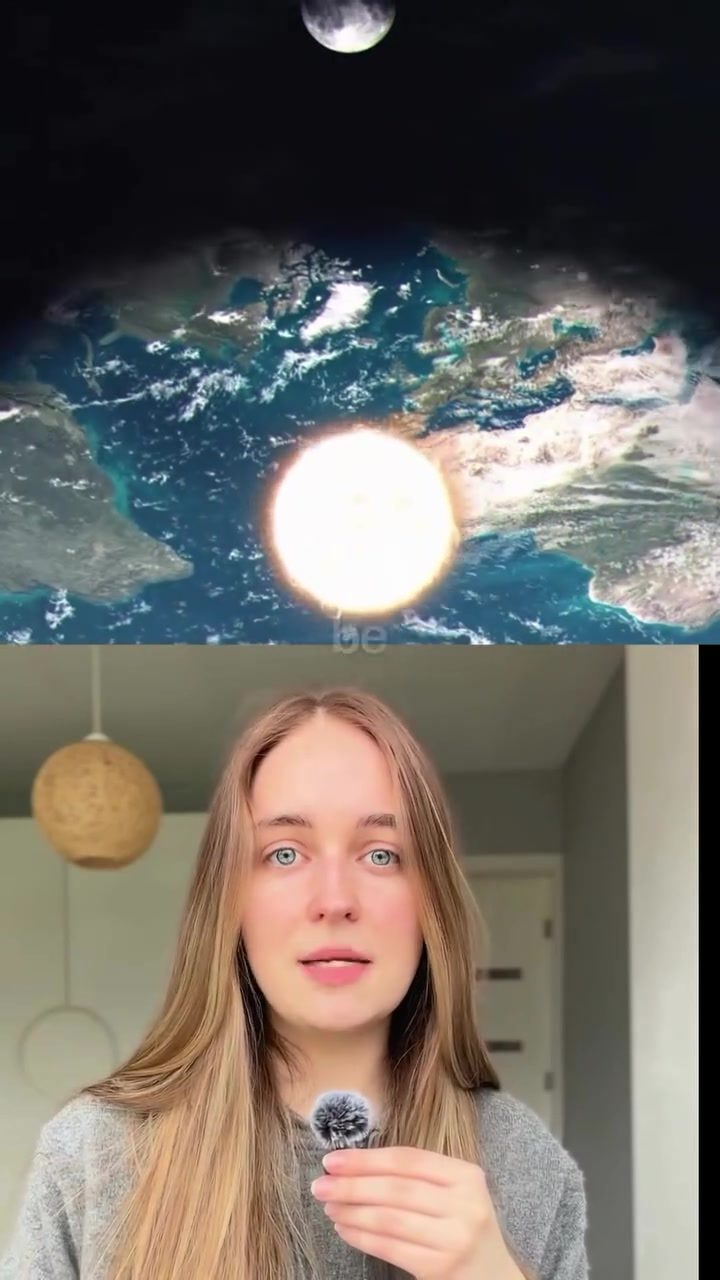
Solar power is a cornerstone of renewable energy, but its effectiveness is limited by the day-night cycle. Reflect Orbital, a cutting-edge startup, aims to change this by deploying giant mirrors in space to beam sunlight down to Earth, even at night.
Why This Matters
The ability to harness solar power continuously, regardless of the time of day, represents a monumental shift in renewable energy. This technology not only extends the operational hours of solar farms but also offers critical support in emergency situations, such as natural disasters.
The Mechanics of Space-Based Solar Mirrors
How It Works
Reflect Orbital's innovative approach involves placing large mirrors in orbit around the Earth. These mirrors are designed to capture sunlight during the day and reflect it back to Earth at night. Users can request sunlight via an app, specifying their location. The mirror then tilts to direct the sunlight beam precisely onto the desired spot.
The Technology in Action
The primary application, as discussed in the vision, is for solar farms. Mirrors in orbit can catch the daytime sun and bounce it onto solar panels after sunset. This allows solar farms to generate power continuously, significantly increasing their efficiency and output.
Potential Applications
Energy Production
The continuous availability of sunlight for solar farms means that power generation can continue uninterrupted, even during nighttime hours. This is particularly beneficial in regions where solar energy is a primary source of power, ensuring a reliable and consistent energy supply.
Emergency Response
One of the most compelling applications of this technology is in emergency situations. During disasters like earthquakes or power outages, rescue teams often face the challenge of working in the dark. By beaming sunlight from space, this technology can provide much-needed illumination, aiding in search and rescue efforts and expediting recovery processes.
The Road to Deployment
Current Progress
Reflect Orbital has already garnered significant interest and support. Sequoia, a prominent venture capital firm, is backing the project. The idea has resonated with the public, with 260,000 people already requesting sunlight. This high level of interest underscores the potential impact of this technology.
Future Plans
By 2030, Reflect Orbital aims to have 4,000 mirrors circling the planet. This ambitious goal reflects the scale and scope of their vision. With such a vast network of mirrors, the technology could revolutionize how solar energy is harnessed and utilized, making it a more reliable and versatile source of power.
Symbolism and Innovation
The vision ends with a symbolic image of a dandelion seed, suggesting the spread of ideas and the potential for this technology to take root. This metaphor underscores the transformative potential of Reflect Orbital's innovation.
Practical Tips
For Solar Farm Operators
Consider integrating this technology into your solar farm operations. By extending power generation into the night, you can significantly enhance your farm's output and reliability. This could also make your operations more attractive to investors and customers looking for sustainable energy solutions.
For Emergency Services
Explore partnerships with Reflect Orbital to harness this technology during emergencies. The ability to provide emergency lighting from space could be a game-changer in search and rescue missions, ensuring that rescue teams have the light they need to work effectively, even in the darkest hours.
For the General Public
Keep an eye on developments in this space. As the technology becomes more accessible, it could offer new ways to harness solar power in everyday life, from home use to community projects.
Important Takeaways
The deployment of space-based solar mirrors represents a significant leap forward in renewable energy technology. By extending the operational hours of solar farms and providing critical support in emergency situations, this technology has the potential to revolutionize how we harness and utilize solar power. With strong backing from investors and growing public interest, Reflect Orbital is poised to make a substantial impact in the coming years.
Conclusion
Reflect Orbital's innovative use of space-based solar mirrors is set to transform the renewable energy landscape. By providing continuous solar power and essential emergency lighting, this technology addresses key challenges in energy production and disaster response. As the technology advances, it will open new possibilities for sustainability and resilience, making it an exciting development to watch.
Watch the Reel
Questions readers ask
How do space-based solar mirrors work?
Space-based solar mirrors operate by positioning large mirrors in Earth's orbit to reflect sunlight onto specific areas on the planet's surface. This redirection allows for continuous sunlight, even when the sun is not directly visible, such as at night. This continuous sunlight can significantly boost power generation for solar farms.
What are the benefits of using solar reflectors in orbit?
Orbital solar reflectors can provide a steady supply of sunlight, ensuring that solar farms can generate power around the clock. This could greatly enhance the reliability and efficiency of solar power, making it a more competitive source of renewable energy. Additionally, it can provide critical support during emergencies, such as powering essential services in disaster-struck areas.
How will space-based solar mirrors impact solar power after sunset?
With space-based solar mirrors, solar farms can continue to operate and generate power even after sunset. By reflecting sunlight onto Earth's surface during nighttime hours, these mirrors ensure that solar power remains a viable and consistent energy source, effectively eliminating the day-night cycle limitation.
What role can solar power innovations like orbital solar power play by 2030?
By 2030, innovations like orbital solar power could significantly increase the adoption and efficiency of solar energy. The ability to provide continuous sunlight could make solar power a dominant renewable energy source, reducing reliance on traditional fossil fuels and potentially lowering energy costs.
What are the expected impacts of giant solar mirrors on solar farms at night?
Giant solar mirrors in space can greatly enhance the output of solar farms at night by directing sunlight towards the panels. This means solar farms can operate 24/7, maximizing their power generation capabilities and making solar energy a more stable and predictable source of power.
How can solar power support in emergencies be improved with space-based solar reflectors?
In emergency situations, such as natural disasters, solar reflectors in space can redirect sunlight to power grids in affected areas, even if local conditions are cloudy or nighttime. This ensures that critical infrastructure, like hospitals and communication systems, remain operational, providing essential support during crises.
Related deep dives
Similar reads based on topic and creator.


Recent articles
Fresh deep dives from the latest Reels we unpacked.



Comments
Be the first to comment.