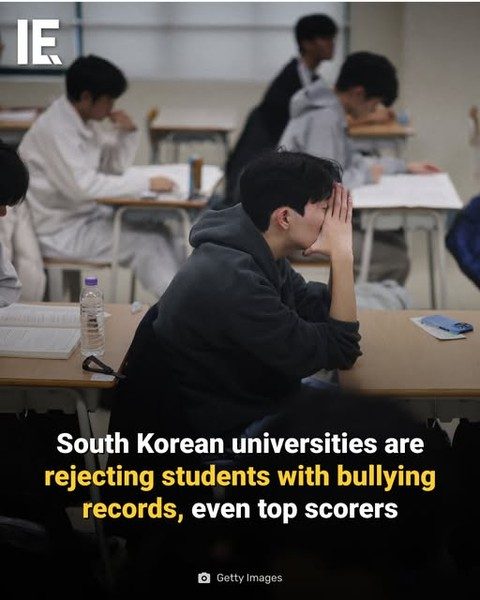
South Korean Universities Prioritize Character Over Academic Performance
South Korea’s leading universities are implementing a new policy that prioritizes character and accountability over academic performance alone. They have begun rejecting applicants with documented histories of school bullying, even when their academic performance is strong. This shift signal a broader debate about how character, accountability, and academic merit should be balanced in one of the world's most competitive education systems.
Context
This policy change is part of a growing effort to address school violence and promote a safer, more inclusive educational environment. The policy underscores the importance of character and accountability in academic admissions, particularly in a system known for its rigorous testing and competitive nature.
The New Policy and Its Implications
Beginning in 2026, all universities in South Korea will be required to consider bullying records in admissions decisions. This policy is a response to increased awareness and concerns about school violence. By factoring bullying records into admissions, universities aim to promote a safer and more respectful academic environment.
Why Bullying Records Matter
Bullying has long been a pervasive issue in educational settings. In South Korea, the pressure to excel academically is intense, and this pressure can sometimes manifest in negative behaviors, including bullying. By rejecting students with bullying records, universities are taking a strong stance against such behaviors and are sending a clear message to the student body about the importance of respect and inclusivity.
The Impact on Top Scorers
Even top-scoring students are not exempt from this policy. This strict stance highlights the universities’ commitment to creating a supportive and safe environment for all. It also underscores the idea that academic excellence is just one aspect of a well-rounded individual. Students must also demonstrate strong character and a commitment to ethical behavior.
Balancing Academic Merit and Character
The new policy raises critical questions about how to balance academic merit, character, and accountability. While academic performance is crucial, it is no longer the sole determining factor in admissions. This shift compels universities to evaluate applicants holistically, considering not just their academic achievements but also their behavior and character. Doing this requires a more comprehensive evaluation process that goes beyond test scores and grades.
Practical Tips
For students in South Korea, the new policy presents both challenges and opportunities. Here are some practical tips to help navigate this changing landscape:
Focus on Character Development
Developing strong character and ethical behavior is as important as academic excellence. Students should be mindful of their actions and strive to be respectful and inclusive in all interactions. This not only fosters a positive environment but also enhances one's overall reputation and character.
Maintain a Clean Record
Avoiding bullying and other forms of violent behavior is crucial. Students should understand the consequences of their actions and the long-term impact on their academic and personal lives. Maintaining a clean record is essential for future opportunities, including university admissions.
Seek Support and Guidance
If you have been involved in bullying or other negative behaviors, seek support and guidance to address these issues. Many schools offer counseling and support services to help students navigate these challenges. Taking proactive steps to improve behavior and character can make a significant difference in future opportunities.
Engage in Extracurricular Activities
Participating in extracurricular activities, community service, and leadership roles can demonstrate a well-rounded character. These activities provide opportunities to develop skills and qualities that universities value beyond academic performance.
Important Takeaways
The new policy in South Korean universities signals a significant shift in how academic institutions evaluate applicants. This change reflects a growing emphasis on character, accountability, and a safe educational environment. Students must now focus not just on academic excellence but also on developing strong character and ethical behavior. By doing so, they can better position themselves for future opportunities and contribute positively to their communities.
Conclusion
The new policy in South Korea’s leading universities to reject applicants with bullying records, even top scorers, is a bold move that prioritizes character and accountability. This shift underscores the importance of a holistic evaluation of students, considering not just their academic achievements but also their behavior and character. As universities nationwide adopt this policy, it signals a broader debate about how to balance academic merit, character, and accountability in one of the world's most competitive education systems. The future of South Korean education will likely see a more comprehensive evaluation process that values both academic excellence and strong personal qualities.
Watch the Reel
Questions readers ask
Why are South Korean universities starting to consider bullying records in admissions?
South Korean universities are considering bullying records to foster a more inclusive and respectful environment. This policy aims to prioritize character and safety, reflecting a broader effort to address school violence and promote accountability.
When will this new admissions policy considering bullying records begin?
The new policy will begin in 2026. This gives universities time to prepare and implement the necessary changes to their admissions processes.
What does this policy mean for students with strong academic performance?
Students with strong academic performance may still face rejection if they have a documented history of bullying. This policy prioritizes character and accountability over academic performance alone, ensuring a safer and more respectful environment for all students.
How are top universities in South Korea responding to this policy change?
South Korea's leading universities are adopting this policy to address the importance of character and accountability in admissions. It reflects a significant shift in their admission criteria, balancing academic merit with personal conduct.
What does this new policy indicate about South Korea's approach to university admissions?
The new policy shows that South Korea is moving towards a more holistic approach to university admissions. It highlights the significance of creating a safe and inclusive environment for all students, even if it means rejecting applicants with strong academic backgrounds but problematic behavior.
Who will be responsible for providing the bullying records for university applicants?
The responsibility for providing bullying records will likely fall to the schools that applicants have attended. These schools will need to document and report any instances of bullying to the universities as part of the admissions process.
How might this policy affect students' behavior during their school years?
This policy encourages students to maintain good behavior and character during their school years. By knowing that their bullying records could impact their university admissions, students might think twice before engaging in bullying behavior.
Related deep dives
Similar reads based on topic and creator.

Recent articles
Fresh deep dives from the latest Reels we unpacked.




Comments
Be the first to comment.