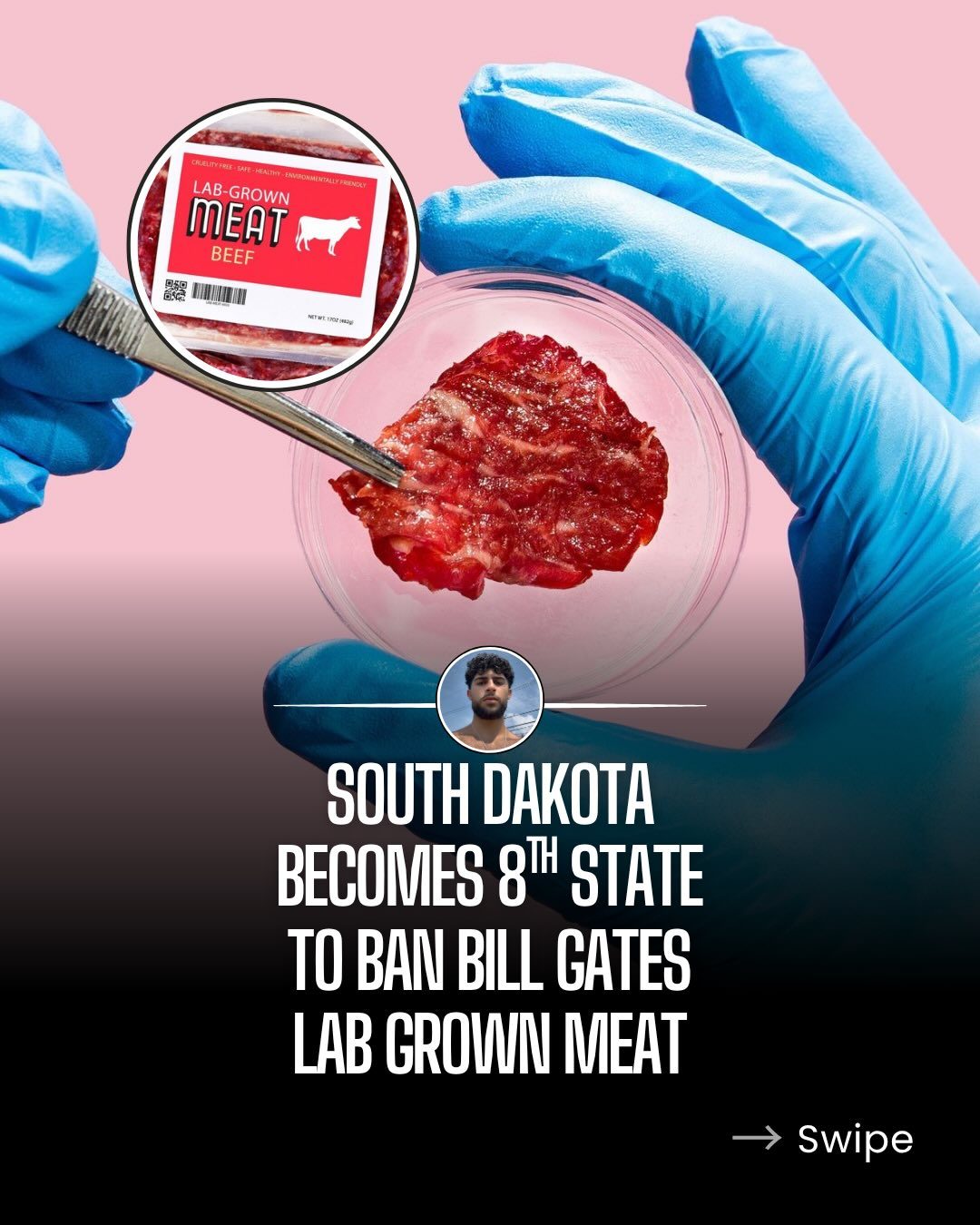
Lab-Grown Meat Legislation and Controversy
Lab-grown meat, also known as cultivated meat or cell-cultured protein, is a product made by growing animal cells in controlled laboratory environments until they form edible tissue. This innovative process has sparked significant debate, especially with recent legislative actions in various states. South Dakota, for instance, has become the 8th US state to ban lab-grown meat, joining a growing list that includes Florida, Alabama, Mississippi, Indiana, Montana, Nebraska, and Texas.
Why This Matters
The ban on lab-grown meat in South Dakota is part of a broader trend in the United States. This trend highlights the complex interplay between technological innovation, consumer acceptance, and regulatory frameworks. The implications of these bans extend beyond the confines of individual states, affecting the future of the food industry, agricultural practices, and global food security.
Since 2026, South Dakota is under a five-year moratorium on lab-grown meat products. This law, signed by Governor Larry Rhoden, blocks the sale, manufacturing, and distribution of cell-cultured protein products within the state. Violations of this law can result in hefty fines of up to $25,000 per day.
Understanding Lab-Grown Meat
What is Lab-Grown Meat?
Lab-grown meat is produced by taking animal cells and growing them in controlled laboratory environments. This process involves cultivating muscle tissue and fat cells to form edible meat. The resulting product is structurally and compositionally similar to conventional meat, but it is produced without the need for animal slaughter.
Benefits and Challenges
Proponents of lab-grown meat argue that it offers several benefits. First, it reduces the environmental impact of traditional meat production, which is a significant contributor to greenhouse gas emissions and deforestation. Second, it addresses concerns related to animal welfare by eliminating the need for animal slaughter. Third, it has the potential to enhance food security by providing a stable and scalable source of protein.
However, there are also challenges and concerns. One of the primary issues is the high cost of production, which makes lab-grown meat currently more expensive than traditional meat. Additionally, there are regulatory hurdles and public acceptance to overcome. The bans in various states, including South Dakota, reflect some of these concerns and the need for further research and dialogue.
Practical Tips for Consumers and Producers
For Consumers
If you're considering lab-grown meat, it's essential to stay informed about the regulations in your state. Additionally, be mindful of the potential benefits and challenges associated with this new food technology. As the industry evolves, consumer acceptance and demand will play a crucial role in shaping the future of lab-grown meat.
For Producers
Producers of lab-grown meat need to navigate a complex regulatory landscape. Engaging with stakeholders, including policymakers and consumers, can help build support and address concerns. Collaboration with scientific and environmental organizations can further validate the benefits of lab-grown meat and contribute to its acceptance.
Important Takeaways
- State Bans: South Dakota and seven other states have enacted bans on lab-grown meat, reflecting a broader trend in the United States. These bans highlight the need for further dialogue and research.
- Regulatory Framework: The five-year moratorium in South Dakota underscores the complexity of regulatory frameworks surrounding lab-grown meat. Producers and consumers alike must stay informed about evolving regulations.
- Consumer Acceptance: Public acceptance and demand will significantly influence the future of lab-grown meat. As the industry continues to develop, addressing consumer concerns and benefits will be crucial for success.
- Environmental Impact: Lab-grown meat offers potential environmental benefits, including reduced greenhouse gas emissions and less deforestation. These advantages could make it a more sustainable option in the long run.
Conclusion
The ban on lab-grown meat in South Dakota and other states raises critical questions about the future of food technology. While the benefits of lab-grown meat, such as reduced environmental impact and improved animal welfare, are compelling, the industry faces significant hurdles. These include high production costs, regulatory challenges, and the need for greater public acceptance.
As the debate continues, it is essential for all stakeholders—consumers, producers, and policymakers—to engage in open dialogue and stay informed about the evolving landscape of lab-grown meat. By addressing the challenges and leveraging the benefits, we can pave the way for a more sustainable and ethical food system.
Watch the Reel
Questions readers ask
Which states have currently banned lab-grown meat?
As of now, eight US states have imposed a ban on lab-grown meat. These states include Florida, Alabama, Mississippi, Indiana, Montana, Nebraska, Texas, and most recently, South Dakota.
What is the duration of the lab-grown meat ban in South Dakota?
South Dakota has implemented a five-year ban on lab-grown meat. This means the ban will remain in effect for five years from the date of its implementation.
What is lab-grown meat and how is it produced?
Lab-grown meat, also referred to as cultivated meat or cell-cultured protein, is produced by growing animal cells in a controlled laboratory environment until they form edible tissue. This process involves taking cells from an animal and cultivating them in a nutrient-rich medium.
What are the main points of debate surrounding lab-grown meat?
The main points of debate surrounding lab-grown meat include technological innovation, consumer acceptance, and regulatory frameworks. Advocates highlight potential benefits for global food security, while opponents often raise concerns about safety, authenticity, and the impact on traditional farming.
Why has South Dakota banned lab-grown meat?
South Dakota has banned lab-grown meat as part of a broader trend in the United States, reflecting concerns about the balance between new food industry innovations and established regulatory frameworks. The ban is seen as a way to address potential risks and allow for further study and debate.
What are the implications of state meat bans on the future of food industry?
State meat bans, such as the one in South Dakota, can significantly influence the future of the food industry by shaping regulatory landscapes and consumer perceptions. These bans may slow the development and acceptance of lab-grown meat, or they may prompt further innovation and adaptation in the industry.
Related deep dives
Similar reads based on topic and creator.




Recent articles
Fresh deep dives from the latest Reels we unpacked.




Comments
Be the first to comment.