South Africa's Deadline Day for Illegal Immigrants
South Africa's deadline for illegal immigrants to leave the country sparked the largest migration-related protest in nearly two decades. The day was marked by widespread demonstrations, significant disruption to daily life, and a massive police presence. However, the situation was largely peaceful, with isolated incidents of violence. Here’s a closer look at what happened and what it means for the future.
The Protests and Their Impact
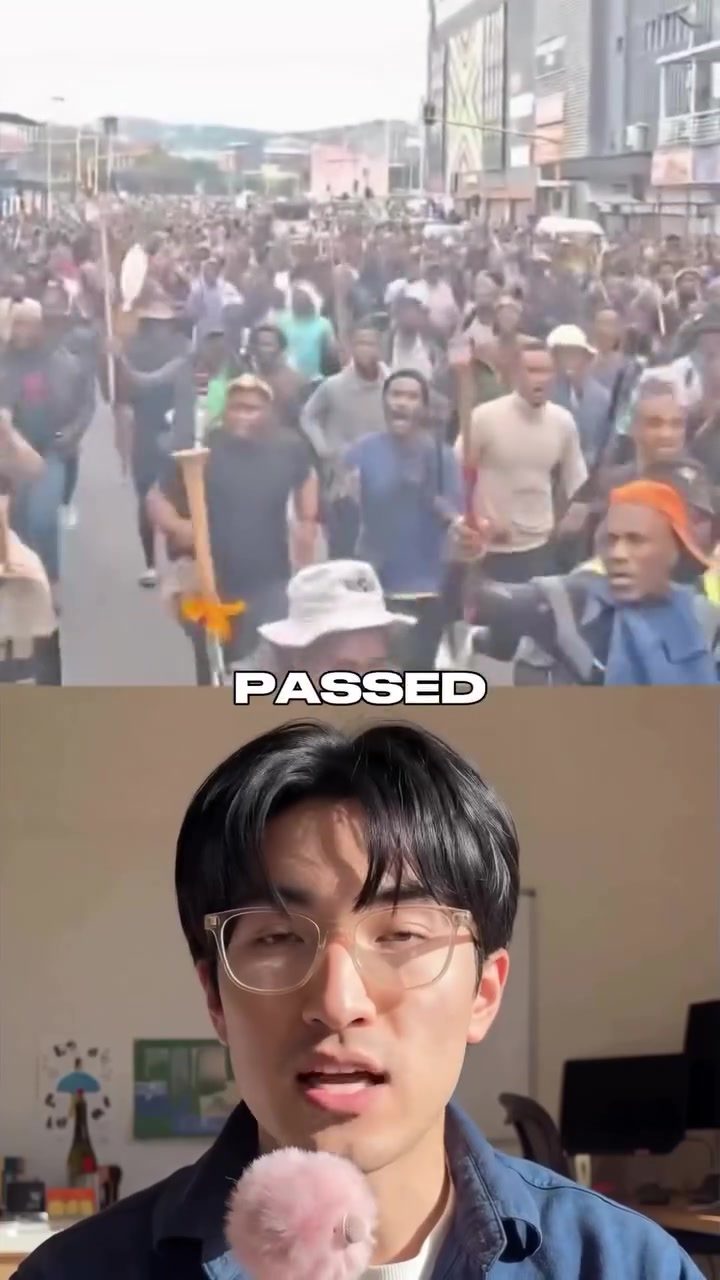
The deadline day saw thousands of businesses shut down as people took to the streets in protest. Public transportation was affected, with many vehicles sitting empty as crowds marched through major cities. The scale of the protest was enormous, with Reuters describing it as the largest of its kind in nearly two decades.
The government, in coordination with private security firms, deployed drones, armored vehicles, and helicopters to manage the situation. Despite initial fears, the South African government reported that the protests were largely peaceful. Most protesters respected the rule of law, though there were isolated incidents of looting, vandalism, and altercations.
In one notable incident, protesters in Johannesburg were seen forcing their way into private homes of suspected undocumented immigrants and handing them over to the police. The exact details of the incident are unclear, but it highlights the intensity of the situation.
Peaceful Demonstrations
The government's characterization of the protests as largely peaceful is significant. It suggests that the public's response to the deadline was more controlled than many might have anticipated. Despite the massive scale of the protests, the overall atmosphere remained relatively calm.
The protests, however, were not without their challenges. There were incidents of violence, including looting, vandalism, and forced evictions. These incidents underscore the complexity of the situation and the tensions that underlie the protests.
The Aftermath and Future Protests
The protests, while significant, are not over. The group behind the shutdown, March and March, has announced that similar protests will take place every Thursday until the government takes real action on crime, unemployment, and illegal immigration. This ongoing resistance highlights the depth of public feeling on these issues and the determination of the protesters to see change.
These protests are not just about illegal immigration; they reflect broader concerns about crime, unemployment, and the overall state of the nation. The organizers of the protests have made it clear that they will continue to mobilize until they see tangible action from the government.
Practical Tips for Understanding the Situation
To understand the nuances of the protests and their potential impact, it’s important to stay informed. Here are some practical tips:
- Stay Informed: Keep up to date with the latest news and developments. Reliable sources such as Reuters and local news outlets can provide detailed information.
- Engage with Local Communities: If you are in the affected areas, engage with local community leaders and organizations to understand the ground realities.
- Support Peaceful Protests: Encourage peaceful protests and discourage violence. This can help ensure that the protests remain constructive and effective.
- Understand the Broader Context: Recognize that the protests are about much more than just illegal immigration. They touch on broader issues such as crime and unemployment.
Important Takeaways
The deadline day for illegal immigrants in South Africa was marked by massive protests, significant disruption, and a largely peaceful atmosphere. The ongoing protests by the group March and March show that the public is determined to see action on multiple fronts, including crime, employment, and immigration.
The government's handling of the situation and the protesters' determination will shape the future of these issues. The situation is far from over, and the ongoing protests are a clear indication of the public's resolve.
Conclusion
The deadline day for illegal immigrants in South Africa was a major event, marked by unprecedented protests and a significant public response. The future of these protests and the broader issues they address will depend on the government's actions and the public's determination. Staying informed and engaged will be crucial in navigating this evolving situation.
Watch the Reel
Questions readers ask
What triggered the recent large-scale protests in South Africa?
The protests were triggered by the deadline set for illegal immigrants to leave South Africa. This policy decision led to widespread demonstrations and disruptions across the country.
How did the protests affect daily life in South Africa?
The protests significantly disrupted daily life, with thousands of businesses closing and public transportation being affected. Many vehicles were left empty as protesters took to the streets in major cities.
Were there any violent incidents reported during the protests?
While the protests were largely peaceful, there were isolated incidents of violence that highlighted the underlying tensions surrounding immigration policy in South Africa.
What was the role of law enforcement during the protests?
The protests were met with a massive police presence. Law enforcement was active to maintain order and manage the large crowds, despite the mostly peaceful nature of the demonstrations.
How did the media describe the scale of the protests?
Reuters described the protests as the largest of their kind in nearly two decades, underscoring the significant impact and scale of the demonstrations across South Africa.
What are the potential implications of these protests for South Africa’s immigration policy?
The protests have brought widespread attention to the immigration policy. The government may face pressure to review or amend current policies, especially with the ongoing crisis and tensions.
Have there been similar protests in South Africa in the past?
While there have been immigration-related protests in the past, the scale and intensity of these recent protests are considered unprecedented in the last two decades, reflecting the growing tensions and concerns.
Recent articles
Fresh deep dives from the latest Reels we unpacked.




Comments
Be the first to comment.