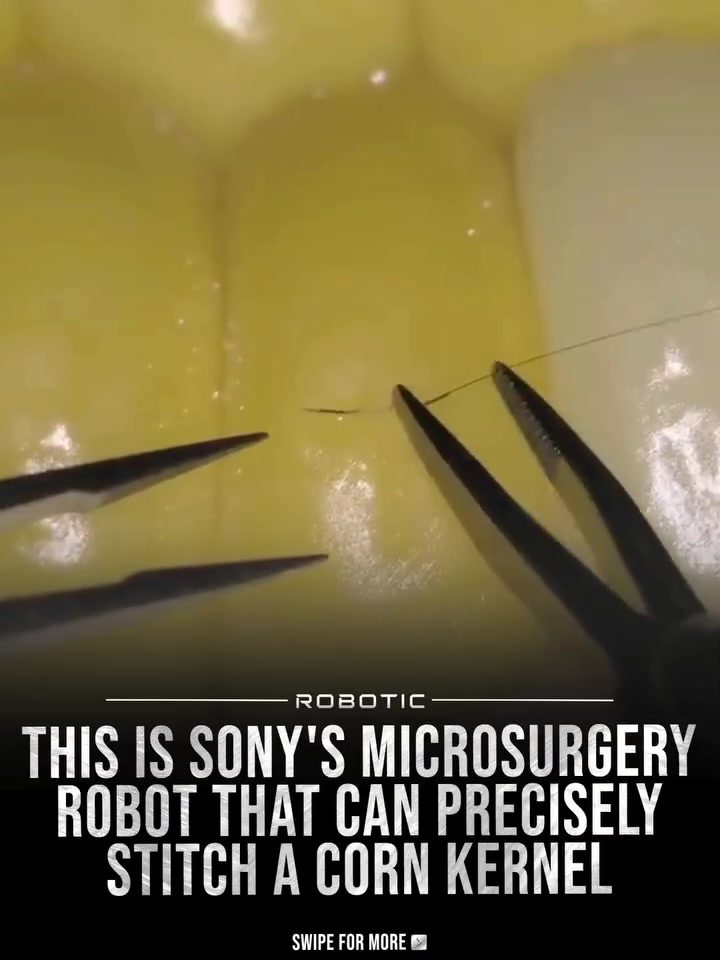
Robotic Microsurgery: Revolutionizing Precision in Surgery
Robotic microsurgery, particularly the device developed by Sony, represents a significant advancement in medical technology. By showcasing the device's ability to perform intricate tasks such as stitching a corn kernel, Sony demonstrates the potential for this technology to revolutionize surgical procedures.
Context
The Need for Precision in Surgery
Microsurgery involves delicate procedures on tiny blood vessels and tissues. This level of precision is crucial for successful outcomes in various surgical fields, including ophthalmology, neurosurgery, and reconstructive surgery. The minimal margin for error necessitates highly skilled surgeons and advanced tools to ensure accuracy and minimize risks to patients.
The Role of Robotic Surgery
Robotic surgery devices, such as Sony's microsurgery robot, are designed to enhance the precision and control of surgical procedures. These devices use advanced robotic arms and precision controls to assist surgeons, reducing hand tremors and improving overall accuracy. The integration of robotics in surgery aims to make complex procedures safer, more precise, and less invasive.
Main Discussion
The Technology Behind Robotic Microsurgery
Sony's microsurgery robot embodies cutting-edge technology tailored for delicate surgical tasks. The robotic arms are highly responsive, allowing for precise movements. This level of precision is highlighted by the robot's ability to stitch a corn kernel, a task requiring extreme dexterity and control.
Key Features of Sony's Microsurgery Robot
- Highly Responsive Robotic Arms: These arms can perform intricate maneuvers with remarkable accuracy, making them ideal for microsurgical procedures.
- Precision Controls: The robot's advanced controls allow surgeons to operate with minimal hand tremors, ensuring precise movements during surgery.
- Minimally Invasive Design: The robot's design aims to reduce the invasiveness of surgical procedures, which can lead to faster recovery times and fewer complications for patients.
Applications in Surgical Procedures
The potential applications of Sony's microsurgery robot are vast. Some of the key areas where this technology can make a significant impact include:
- Ophthalmology: Procedures such as corneal transplants and cataract surgeries require extreme precision. Robotic microsurgery can enhance the accuracy of these procedures, reducing the risk of complications.
- Neurosurgery: Operations on the brain and spinal cord necessitate minimal invasiveness and high precision. Robotic microsurgery can help achieve these goals, improving patient outcomes.
- Reconstructive Surgery: Procedures involving the repair of small blood vessels and tissues can benefit from the precision and control offered by robotic surgery devices.
Benefits for Surgeons and Patients
For surgeons, robotic microsurgery devices offer enhanced control and precision, making complex procedures more manageable. The reduction in hand tremors and improved accuracy can lead to better surgical outcomes. For patients, this technology translates to safer, more precise, and less invasive procedures, which can result in quicker recovery times and fewer complications.
Practical Tips
Choosing the Right Robotic Surgery Device
When selecting a robotic surgery device, consider the following factors:
- Precision and Control: Ensure the device offers precise control and responsiveness, as seen in Sony's microsurgery robot.
- Versatility: Choose a device that can be used in various surgical fields, maximizing its utility.
- Ease of Use: The device should be user-friendly, allowing surgeons to integrate it seamlessly into their practice.
- Support and Training: Opt for a device that comes with comprehensive support and training programs to ensure effective use.
Integrating Robotic Surgery into Your Practice
- Training and Certification: Surgeons should undergo proper training and certification to operate the robotic surgery device effectively.
- Practice and Experience: Regular practice and experience with the device can enhance proficiency and confidence.
- Patient Education: Educate patients about the benefits and risks of robotic surgery to ensure informed consent and manage expectations.
Important Takeaways
Robotic microsurgery, as exemplified by Sony's technology, represents a significant leap forward in medical innovation. The ability to perform tasks with such precision underscores the potential of this technology to revolutionize various surgical fields.
The integration of robotic surgery devices in medical practice offers numerous benefits, including enhanced precision, reduced invasiveness, and improved patient outcomes. As technology continues to advance, the possibilities for robotic microsurgery are expected to expand, making intricate procedures safer and more effective.
Conclusion
The development of robotic microsurgery devices, such as Sony's microsurgery robot, marks a pivotal moment in surgical technology. These devices offer unparalleled precision and control, making them invaluable tools in various surgical fields. As the technology continues to evolve, it holds the promise of transforming surgical care, making procedures safer, more precise, and less invasive. The future of surgery looks increasingly robotic, and the possibilities are both exciting and groundbreaking.
Watch the Reel
Questions readers ask
How does Sony's microsurgery robot demonstrate its precision?
Sony's microsurgery robot showcases its precision by performing extremely delicate tasks, such as stitching a corn kernel. This feat underscores the robot's capability to handle minuscule and intricate procedures with exceptional accuracy.
What are the potential benefits of robotic microsurgery in medical fields?
Robotic microsurgery offers numerous benefits, including enhanced precision, increased accuracy, and reduced risk during surgical procedures. In fields like ophthalmology and neurosurgery, this technology can lead to safer and more successful outcomes.
What makes microsurgery such a challenging field?
Microsurgery requires an extremely high level of precision due to the tiny blood vessels and tissues involved. The minimal margin for error means that surgeons must be highly skilled, and advanced tools are crucial for ensuring accuracy and minimizing risks.
How does advanced robotics like Sony's contribute to microsurgery?
Advanced robotics in microsurgery, exemplified by Sony's device, significantly enhance surgical precision. These robots can perform delicate tasks with unparalleled accuracy, making them invaluable for complex procedures in neurosurgery, ophthalmology, and other specialties.
Why is surgical precision crucial in fields like ophthalmology and neurosurgery?
Ophthalmology and neurosurgery involve working with extremely delicate structures. High surgical precision in these fields is crucial for preventing damage to vital tissues and ensuring the best possible outcomes for patients, as any errors can have severe consequences.
Can robotic microsurgery be used in reconstructive surgery?
Yes, robotic microsurgery can be beneficial in reconstructive surgery. The high precision and accuracy of robotic systems can improve outcomes in reconstructive procedures by ensuring that delicate tissues and blood vessels are handled with the utmost care.
Related deep dives
Similar reads based on topic and creator.



Recent articles
Fresh deep dives from the latest Reels we unpacked.




Comments
Be the first to comment.