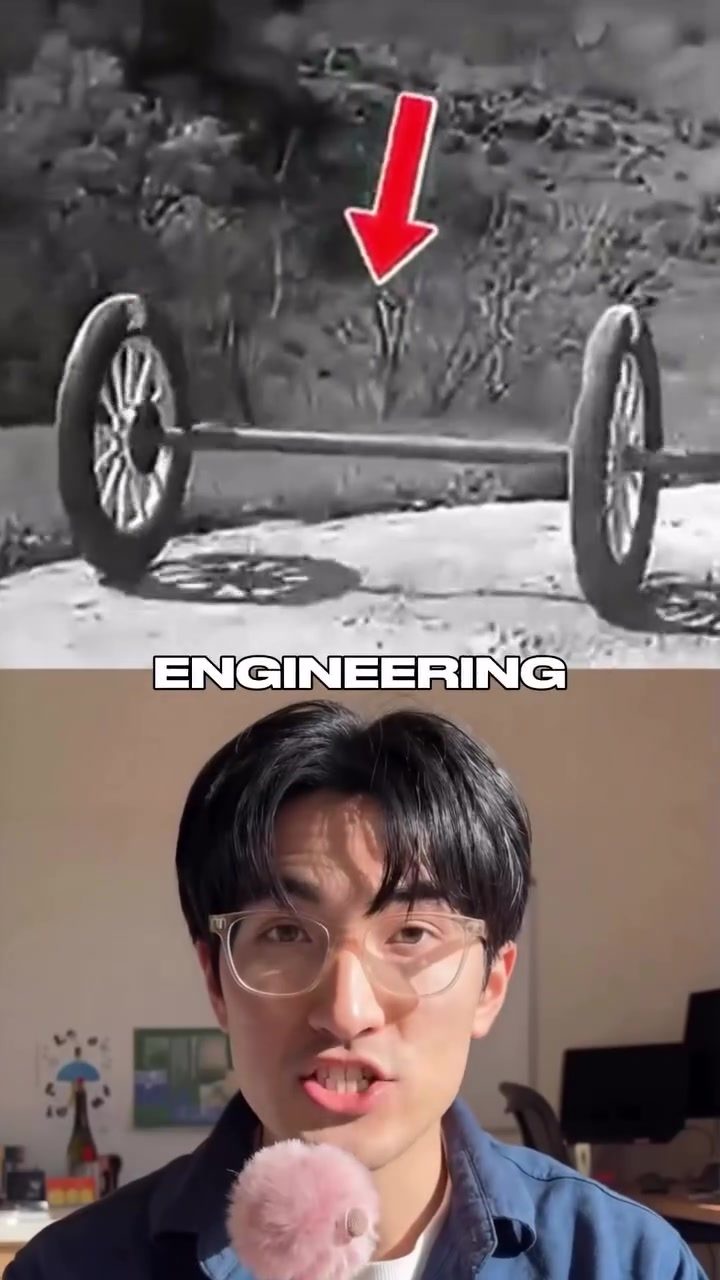
How the Differential Revolutionized Automotive Engineering
Understanding the differential is key to appreciating the mechanical intricacies that enable smooth and efficient car operation. This ingenious invention was created to solve a seemingly insurmountable challenge: the difference in distance traveled by the inner and outer wheels during a turn.
Context / Why this matters
When two wheels sit on the same axle, the outer wheel must travel a greater distance than the inner wheel. This difference creates a significant challenge: if both wheels were to spin at the same speed, one wheel would inevitably slip, causing excessive tire wear and unsafe handling. This issue was one of the biggest engineering problems for years, necessitating a solution that would allow two wheels driven by a single motor to rotate at different speeds. Enter the differential.
Main discussion
The Birth of the Differential
The concept of the differential is relatively simple but brilliantly effective. Instead of connecting two wheels with a rigid bar, which would make them spin identically, engineers used a hinge mechanism. This allowed one wheel to spin faster than the other, addressing the varying distances traveled by the inner and outer wheels during a turn. This was a groundbreaking solution that fundamentally changed how vehicles handled.
The Evolution of Design
Initially, the hinge mechanism allowed for variable wheel speeds, but it was not smooth enough for practical use. To refine the design, engineers replaced the links with gears. This not only made the system more efficient but also introduced a driveshaft to transfer power from the engine. The driveshaft split torque between the wheels, ensuring that each wheel received the appropriate amount of power.
Crucial Components
Several components work together to make the differential function seamlessly:
- Gears: These replaced the initial links and provided a smoother mechanism for transferring power between the wheels.
- Driveshaft: This component transfers power from the engine to the wheels, ensuring that each wheel receives the correct amount of torque.
- Hinge Mechanism: The foundational element that allowed one wheel to spin faster than the other, revolutionizing the way cars handle turns.
The Impact on Modern Driving
The differential has become an indispensable part of modern vehicles. Without this innovation, a car couldn't turn without grinding its tires, making it virtually impossible to navigate corners and turns safely. The differential ensures that cars can turn smoothly and efficiently, providing a reliable and safe driving experience.
Practical tips
Understanding Your Vehicle's Differential
Knowing how the differential works can help you better understand your vehicle's performance and maintenance needs. When your car pulls to one side or exhibits uneven tire wear, the differential may be at play. Regular inspections and maintenance can prevent larger issues and ensure your vehicle handles smoothly.
Maintenance Tips
- Lubrication: Ensure that the differential is properly lubricated. Regular oil changes and inspections can prevent wear and tear.
- Inspection: Regularly inspect the differential for any signs of damage or leaks. Addressing issues early can save you from costly repairs.
- Alignment: Proper wheel alignment ensures that your differential functions correctly. Misalignment can cause uneven wear and handling issues.
- Service Intervals: Stick to the recommended service intervals for your vehicle. Regular maintenance can prolong the life of your differential and other critical components.
Important takeaways
- Historical Significance: The differential solved a critical engineering problem, enabling modern cars to turn smoothly and efficiently.
- Key Components: Gears, driveshafts, and a hinge mechanism work together to make the differential function.
- Impact on Driving: Without the differential, modern driving would be unsafe and inefficient, with excessive tire wear and handling issues.
- Maintenance: Regular inspections and lubrication are essential for the differential's long-term performance and reliability.
Conclusion
The differential is a testament to the ingenuity of automotive engineering. It has transformed the way vehicles handle, making modern driving reliable and efficient. By understanding how the differential works, you can better appreciate the mechanics of your vehicle and take steps to ensure it runs smoothly for years.
Watch the Reel
Questions readers ask
What is the primary function of a differential in a car?
The main function of a differential in a car is to allow the inner and outer wheels on the same axle to rotate at different speeds during turns. This is crucial for preventing tire wear and ensuring smooth handling, as the outer wheel travels a longer path than the inner wheel.
How does a differential enhance vehicle handling?
A differential enhances vehicle handling by enabling the wheels to rotate at variable rates. This allows the vehicle to navigate turns more efficiently and safely, reducing tire slip and improving overall control.
What issues can arise without a differential?
Without a differential, wheels on the same axle would be forced to rotate at the same speed. This would cause excessive tire wear on the inner wheel during turns, as it would have to skid to cover the shorter distance, leading to unsafe handling and reduced tire lifespan.
Can you explain how a differential works in modern cars?
In modern cars, a differential typically consists of a set of gears that allow the wheels to spin at different rates. As the vehicle turns, the outer wheel spins faster through the action of these gears, and the inner wheel spins slower, ensuring both wheels rotate at the optimal speed for the turn.
Why is the differential considered vital in automotive engineering?
The differential is vital in automotive engineering because it addresses a fundamental challenge in vehicle dynamics: the varying distances traveled by inner and outer wheels during turns. By accommodating these differences, it ensures efficient power transfer, reduces wear on tires, and enhances vehicle stability and control.
How does the differential affect tire wear?
The differential reduces tire wear by allowing wheels to rotate at appropriate speeds for the path they travel. During turns, the differential prevents the inner wheel from dragging or slipping, and the outer wheel from under-rotating, thereby minimizing uneven wear and extending tire lifespan.
What are the different types of differentials in modern cars?
Modern cars employ various types of differentials, including open differentials, limited-slip differentials, and locking differentials. Each type serves specific needs, but they all aim to improve performance and handling during turns by managing wheel speeds.
Recent articles
Fresh deep dives from the latest Reels we unpacked.




Comments
Be the first to comment.