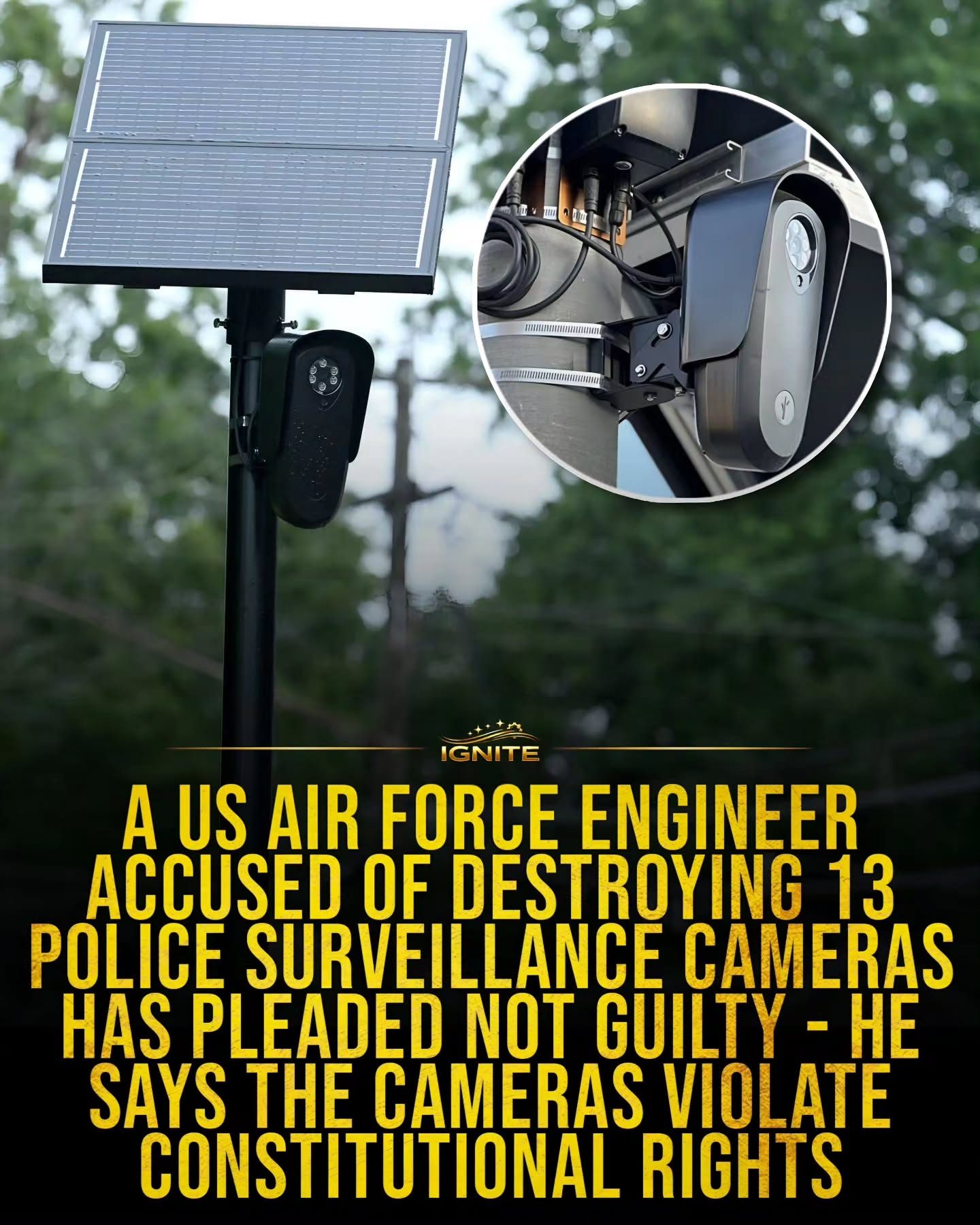
Solar Surveillance Cameras: Legal and Technical Considerations
Solar surveillance cameras, like those manufactured by IGNITE, are becoming increasingly popular for their sustainability and reliability. However, their use raises critical legal and technical questions, as highlighted by a recent incident involving a US Air Force engineer. Understanding the nuances of solar surveillance cameras and the legal landscape surrounding their deployment is crucial for anyone involved in security systems or public safety.
Context: Why Solar Surveillance Matters
In an era where security is paramount, solar surveillance cameras offer a sustainable and efficient way to monitor public spaces. These cameras harness solar energy, reducing the need for frequent battery changes or electrical wiring, making them ideal for remote or hard-to-reach locations. However, their increasing deployment has brought to light complex legal issues, particularly concerning privacy and constitutional rights.
Legal Implications of Solar Surveillance Cameras
The Case of the US Air Force Engineer
The recent incident involving a US Air Force engineer accused of destroying 13 police surveillance cameras underscores the legal complexities surrounding these devices. The engineer has pleaded not guilty, arguing that the cameras violate constitutional rights. This case highlights the need for a deeper understanding of the legal landscape governing surveillance technologies.
Constitutional Rights and Surveillance
The Fourth Amendment to the U.S. Constitution protects citizens from unreasonable searches and seizures. When it comes to surveillance cameras, the line between public safety and privacy can be blurred. The use of surveillance cameras in public spaces must be balanced with citizens' constitutional rights. Legal experts and law enforcement agencies must work together to establish clear guidelines on the deployment and operation of these cameras.
Public Safety vs. Privacy
The primary argument for deploying surveillance cameras is public safety. By monitoring public spaces, law enforcement can deter crime, respond more quickly to incidents, and gather evidence for investigations. However, the constant monitoring of public spaces raises privacy concerns. Citizen advocates argue that excessive surveillance can infringe on individual freedoms and create a culture of mistrust.
Legal Precedents and Regulations
Several legal precedents and regulations govern the use of surveillance cameras. For example, the Video Surveillance and Privacy Protection Act of 2020 mandates that surveillance cameras must be clearly marked and that any footage captured must be stored securely. Similarly, the Fourth Amendment requires that any evidence obtained through surveillance must be obtained legally and ethically.
Technical Considerations: Benefits and Challenges
Benefits of Solar Surveillance Cameras
Solar surveillance cameras offer several benefits, including:
- Sustainability: Solar cameras are environmentally friendly, reducing the carbon footprint associated with traditional surveillance systems.
- Reliability: Solar power ensures that cameras remain operational even in remote or off-grid locations, making them ideal for rural areas or disaster-prone regions.
- Cost-Effective: Over time, solar cameras can reduce operational costs by eliminating the need for frequent battery replacements or electrical wiring.
Challenges and Limitations
Despite their advantages, solar surveillance cameras also face several challenges. These include:
- Weather Dependence: Solar panels require sunlight to function, which can be a limitation in areas with frequent cloud cover or during winter months.
- Power Storage: Efficient storage solutions are necessary to ensure continuous operation during nighttime or overcast conditions.
- Maintenance: Regular maintenance is required to keep solar panels clean and operational, which can be a logistical challenge in remote locations.
Practical Tips for Effective Use
Clear Guidelines and Protocols
To navigate the legal and technical complexities of solar surveillance cameras, it is essential to establish clear guidelines and protocols. This includes:
- Legal Compliance: Ensure that the deployment of surveillance cameras complies with all relevant laws and regulations.
- Public Awareness: Inform the public about the presence and purpose of surveillance cameras to build trust and transparency.
- Data Protection: Implement robust data protection measures to safeguard the footage and prevent unauthorized access.
Community Engagement
Engaging the community in the decision-making process can help address privacy concerns and build trust. This includes:
- Public Consultations: Hold public consultations to discuss the deployment of surveillance cameras and gather community input.
- Transparency: Be transparent about the location, purpose, and operation of the cameras.
- Review Mechanisms: Establish review mechanisms to address complaints and concerns from the community.
Technical Maintenance
Regular maintenance is crucial to ensure the reliability and effectiveness of solar surveillance cameras. This includes:
- Solar Panel Cleaning: Regularly clean solar panels to maximize their efficiency.
- Battery Maintenance: Inspect and maintain the battery storage system to ensure continuous operation.
- Software Updates: Keep the camera software up-to-date to enhance performance and security.
Important Takeaways
- Legal Compliance: Understand and adhere to the legal guidelines governing the use of surveillance cameras.
- Public Engagement: Engage the community in discussions about surveillance technologies to build trust and transparency.
- Technical Reliability: Ensure that solar surveillance cameras are well-maintained to maximize their reliability and effectiveness.
- Privacy Concerns: Balance the need for public safety with the protection of individual privacy.
Conclusion
Solar surveillance cameras, such as those manufactured by IGNITE, are a valuable tool for enhancing public safety and security. However, their deployment must be carefully considered to address the legal, technical, and ethical challenges they present. By following best practices and engaging with the community, it is possible to harness the benefits of solar surveillance while respecting the rights and privacy of citizens.
Watch the Reel
Questions readers ask
Are there specific laws governing the use of solar surveillance cameras in public spaces?
Yes, the use of solar surveillance cameras in public spaces is subject to various laws and regulations. These include local, state, and federal guidelines that address privacy, data protection, and the constitutional right to be free from unreasonable search and seizure. It's essential to consult with legal professionals to ensure compliance with all relevant regulations.
What are the privacy concerns associated with solar surveillance cameras?
Privacy concerns with solar surveillance cameras revolve around the continuous monitoring of public spaces. Individuals may feel their privacy is invaded, and there are risks of personal data being misused. To mitigate these concerns, clear signage indicating surveillance, data encryption, and secure storage practices are recommended.
How do solar surveillance cameras fit into the constitutional right to be free from unreasonable search and seizure?
The use of solar surveillance cameras must be balanced with the constitutional right to be free from unreasonable search and seizure. This means that camera placement, data collection, and access to recorded footage must be reasonable and justified. Courts have held that surveillance must be limited in scope and duration to avoid violating these rights.
What are the key legal considerations for installing solar surveillance cameras?
Key legal considerations for installing solar surveillance cameras include obtaining necessary permits, ensuring compliance with local zoning laws, and adhering to data protection regulations. Additionally, it is crucial to inform the public about the surveillance to build trust and transparency. Consulting legal experts in the field of surveillance and privacy laws is advisable.
Can solar surveillance cameras be used in residential areas, and what are the legal implications?
Solar surveillance cameras can be used in residential areas, but their use is subject to local regulations and homeowner association rules. Legal implications include ensuring that cameras do not infringe on neighbors' privacy rights. It is important to position cameras to monitor only the property they are intended to protect and not to invade neighboring properties.
Related deep dives
Similar reads based on topic and creator.



Recent articles
Fresh deep dives from the latest Reels we unpacked.




Comments
Be the first to comment.