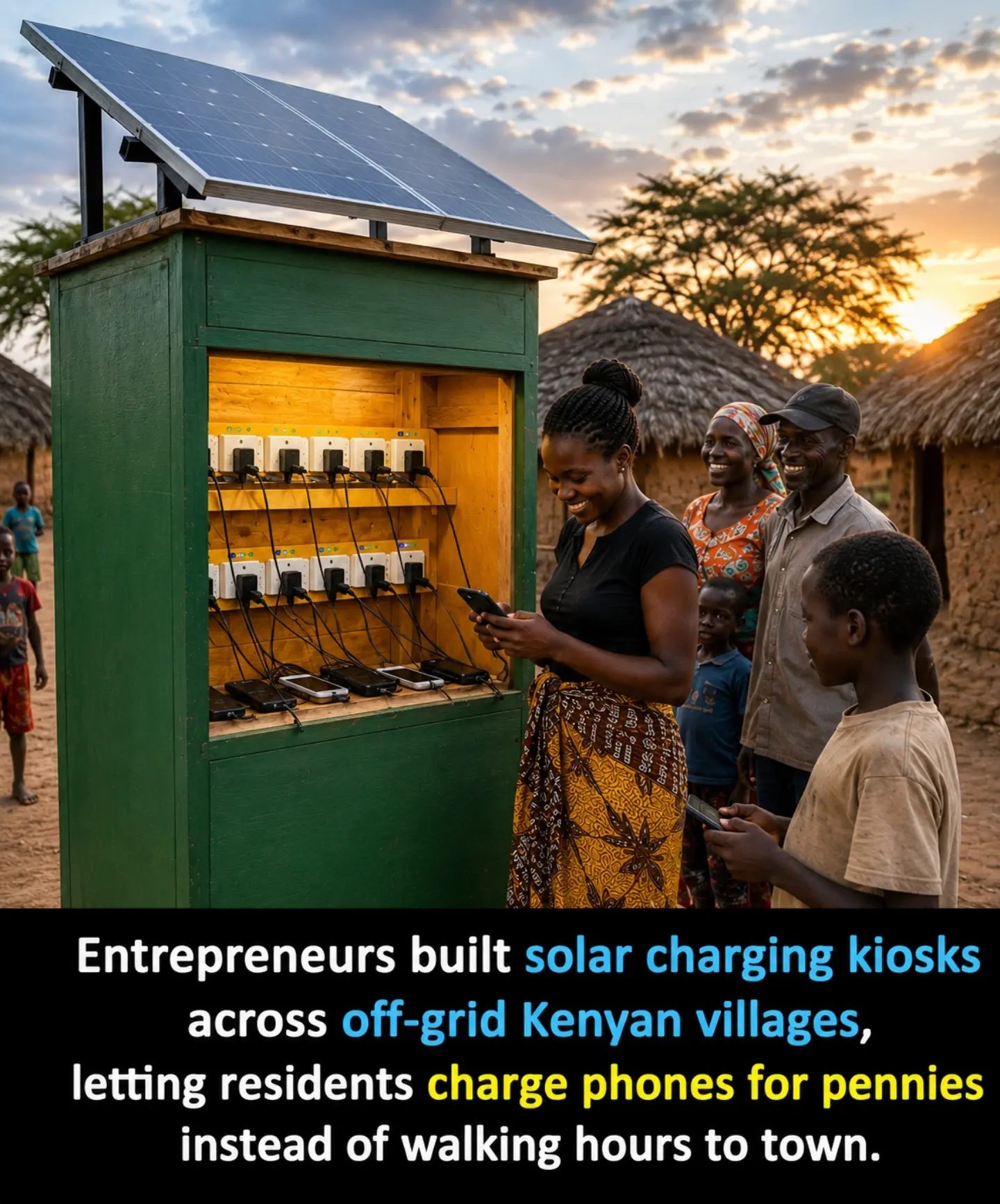
Solar Charging Kiosks in Kenya
In the heart of rural Kenya, a revolutionary solution has emerged to address the challenges of off-grid living: solar charging kiosks. These innovative structures provide a lifeline to residents by offering a reliable source of electricity, particularly for charging mobile phones. This development has significantly improved the daily lives of people in these remote areas, eliminating the need for long, arduous journeys to find power.
Why This Matters
Access to electricity is a fundamental need in the modern world, yet many rural communities in Kenya remain off-grid. This lack of access to power hinders communication, economic opportunities, and overall quality of life. Solar charging kiosks offer a sustainable and cost-effective solution, enabling residents to stay connected and productive without the need to travel to distant towns for charging services.
Understanding Solar Charging Kiosks
What Are Solar Charging Kiosks?
Solar charging kiosks are standalone units equipped with solar panels that harness sunlight to generate electricity. These kiosks are designed to be self-sufficient, requiring no external power sources. They typically feature multiple charging stations where users can plug in their mobile devices. The kiosks are often placed in communal areas, making them easily accessible to the entire village.
How Do They Work?
The process is straightforward. Solar panels on the kiosk convert sunlight into electrical energy, which is then stored in batteries. Users can pay a small fee to charge their phones or other small devices. This fee is usually a fraction of the cost of traveling to a nearby town for the same service. The kiosks are built to withstand the harsh conditions of rural Kenya, ensuring long-term reliability and minimal maintenance.
The Impact on Rural Communities
Accessibility and Convenience
One of the most significant benefits of solar charging kiosks is the convenience they offer. Residents no longer need to walk for hours to reach the nearest town to charge their phones. This not only saves time but also reduces the physical strain and potential dangers associated with long journeys. The kiosks are strategically placed in villages, making them easily accessible to everyone.
Economic Opportunities
Mobile phones are essential tools for communication, access to information, and conducting business. By providing a reliable source of power, solar charging kiosks enable residents to stay connected with the broader world. This connectivity opens up new economic opportunities, allowing people to participate in markets, access financial services, and engage in online business activities.
Environmental Benefits
Solar charging kiosks are an eco-friendly solution. They rely on renewable energy, reducing the carbon footprint associated with traditional power sources. This aligns with global efforts to promote sustainable development and combat climate change. By adopting solar power, these communities are contributing to a greener future.
Practical Tips for Implementing Solar Charging Kiosks
Location Selection
Choosing the right location for a solar charging kiosk is crucial. It should be in a central area where it is easily accessible to the entire community. Common gathering spots, such as marketplaces or community centers, are ideal locations.
Community Engagement
Engaging the local community is essential for the success of solar charging kiosks. Residents should be involved in the planning and implementation process to ensure that the kiosks meet their needs. Regular feedback and maintenance checks can help address any issues that arise.
Cost Considerations
While the initial setup cost of solar charging kiosks can be high, the long-term benefits outweigh the expenses. It is important to consider the savings in travel time and costs, as well as the potential economic gains from increased connectivity. Additionally, many organizations and governments offer subsidies and grants for renewable energy projects, which can help offset the initial investment.
Important Takeaways
- Solar charging kiosks provide a sustainable solution for off-grid communities in Kenya, offering reliable access to electricity.
- These kiosks eliminate the need for long journeys to find power, saving time and reducing physical strain.
- They open up new economic opportunities by enabling mobile connectivity and access to online services.
- Solar charging kiosks are environmentally friendly, relying on renewable energy sources.
- Community engagement, strategic location selection, and cost considerations are key to successful implementation.
Conclusion
Solar charging kiosks represent a beacon of progress in off-grid communities in Kenya. By providing access to electricity, these innovative structures enhance communication, economic opportunities, and overall well-being. As more communities adopt this sustainable technology, the positive impact on rural development and environmental sustainability will continue to grow. The future looks brighter with every solar panel installed, powering a more connected and empowered rural Kenya.
Watch the Reel
Questions readers ask
What are solar kiosks and how do they function?
Solar kiosks are self-sufficient units equipped with solar panels that convert sunlight into electricity. They function by storing the generated energy, which can then be used to charge mobile phones and other small devices, providing a reliable power source in remote areas.
How do solar kiosks benefit remote Kenyan villages?
Solar kiosks bring numerous benefits to remote Kenyan villages. They improve connectivity by ensuring mobile phones are charged, reduce the time and cost associated with traveling to find power, and create economic opportunities by enabling access to digital services and communication.
What makes solar kiosks a sustainable solution for off-grid communities?
Solar kiosks are sustainable because they rely on renewable solar energy, reducing dependence on fossil fuels. They are also designed to be self-sufficient, requiring minimal maintenance and operating costs, making them an environmentally friendly and cost-effective solution.
Can solar kiosks support other devices besides mobile phones?
While the primary function of solar kiosks is to charge mobile phones, some advanced models can support other small devices like tablets and laptops. This capability can further enhance the connectivity and productivity of rural communities. Contact the local solar kiosk provider in your area to find out what devices it can charge.
How are solar kiosks maintained and operated?
Solar kiosks are designed for easy maintenance and operation. Local operators typically manage the day-to-day activities, ensuring the units are clean and functional. Regular checks on the solar panels and batteries are conducted to maintain optimal performance, with support from the kiosk providers.
What is the impact of solar kiosks on local economies in Kenya?
Solar kiosks can stimulate local economies by facilitating digital transactions and enabling access to online services, such as mobile banking and e-commerce. They also create job opportunities for local operators and technicians, fostering economic growth in off-grid communities.
Related deep dives
Similar reads based on topic and creator.


Recent articles
Fresh deep dives from the latest Reels we unpacked.




Comments
Be the first to comment.