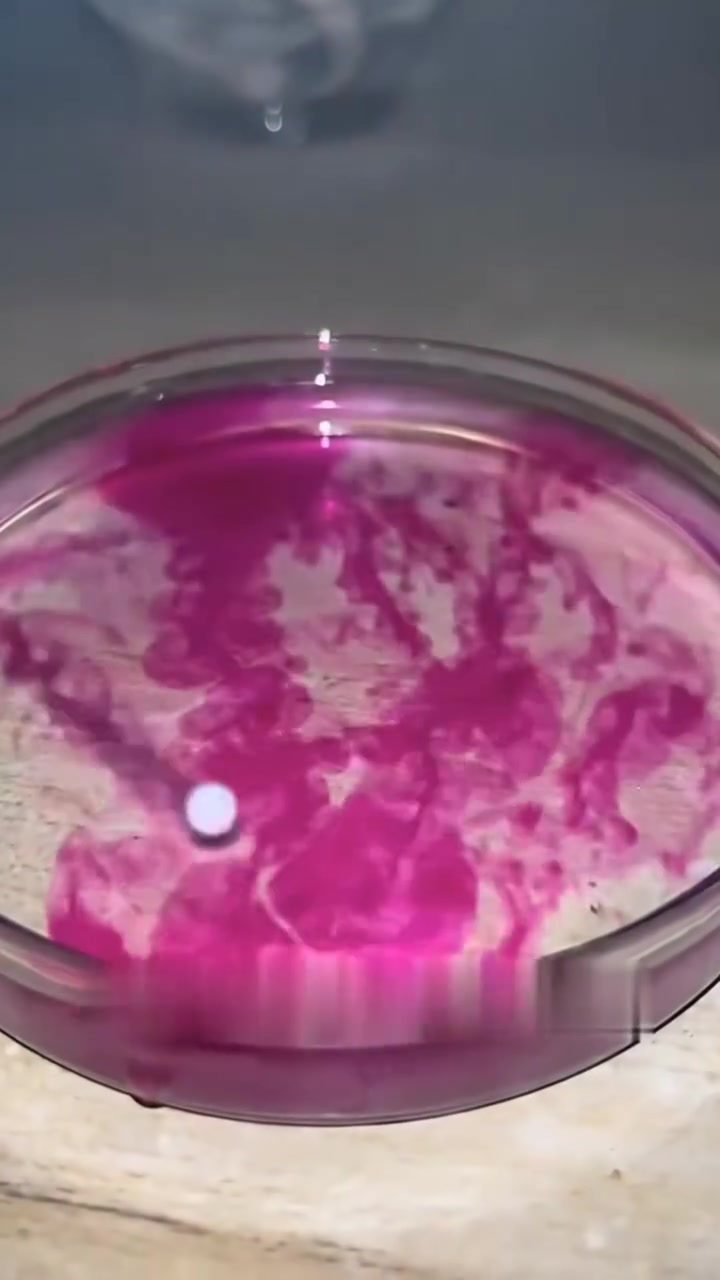
Sodium: The Metal That Explodes on Contact with Water
Sodium is a fascinating element with unique properties. Known for its soft, malleable texture, it is often compared to modeling clay. Unlike most metals, sodium can react violently with water, making it a crucial element to handle with care.
Why This Matters
Sodium's reactivity and versatility make it an essential component in various chemical reactions and industrial processes. Understanding its properties can provide insights into its applications and safety measures. Sodium's ability to form a shiny, mirror-like coating through a vacuum metal coating process is another reason to explore this metal. This coating process is used in various scientific and industrial applications to create reflective surfaces.
Properties and Reactions
Melting Point of Sodium
When sodium is heated, it melts into a silvery liquid. This transformation is rapid when heated with a Bunsen burner. Cutting a small piece of sodium and heating it with a Bunsen burner quickly turns it into a liquid.
Reactions with Chlorine
One of the most dramatic reactions of sodium is with chlorine gas. When chlorine gas is injected into sodium, the reaction produces a brilliant flash of light and thick white smoke. This is a highly exothermic reaction, meaning it releases a significant amount of heat. When this reaction completes, the resulting white solid is ordinary table salt, or sodium chloride. This experiment demonstrates a fundamental chemical reaction and is often used in educational demonstrations.
Vaporization and Condensation
Sodium can also be heated in a vacuum with all the air removed. Under these conditions, it turns into a vapor. As this vapor touches the cooler glass, it condenses into a shiny, mirror-like metal coating. This principle is utilized in vacuum metal coating, a process that creates reflective surfaces used in various industrial and scientific applications.
Reaction with Water
The most dangerous aspect of sodium is its reaction with water. The instant it touches water, sodium reacts violently, releasing intense heat. This is why sodium is always stored under mineral oil or liquid paraffin, ensuring it is safely away from air and moisture. The intense heat released during this reaction can be sufficient to ignite combustible materials, making it a significant safety hazard.
Handling and Storage of Sodium
Given its reactivity, handling and storing sodium requires careful consideration. To prevent accidental contact with water, sodium is typically stored in a mineral oil or liquid paraffin. This method ensures that the sodium remains isolated from air and moisture, reducing the risk of a violent reaction.
Additionally, using laboratory equipment to handle sodium is crucial. Equipment such as Bunsen burners, flasks, and vacuum systems are essential for safely conducting experiments involving sodium. These tools help control the conditions of the reaction, making it possible to observe the chemical properties of sodium safely.
Practical Tips for Handling Sodium
Safety Precautions
- Always wear protective gear: This includes gloves, goggles, and lab coats to protect against potential splashes and burns.
- Work in a well-ventilated area: Sodium reactions can produce harmful gases, so ensure there is adequate ventilation.
- Keep a fire extinguisher handy: Sodium's reaction with water can release enough heat to start a fire, making a fire extinguisher essential for safety.
- Use proper storage containers: Store sodium in mineral oil or liquid paraffin to prevent contact with air and moisture.
- Avoid metal contact: Sodium can react with certain metals, so use glass or plastic containers for storage and handling.
Conducting Experiments
- Use small quantities: Begin with small pieces of sodium to minimize risks and manage reactions more easily.
- Control the heating process: Use a Bunsen burner with a controlled flame to melt the sodium. Avoid overheating, which can cause uncontrollable reactions.
- Monitor reactions closely: Keep a close eye on the reaction, especially when injecting chlorine gas or vaping sodium in a vacuum. Be ready to intervene if the reaction becomes hazardous.
- Dispose of waste properly: After the experiment, dispose of any remaining sodium safely by immersing it in a large volume of water under controlled conditions. Never pour liquid sodium directly down a drain or into a waste container.
Important Takeaways
Sodium’s Versatility
From its soft, malleable texture to its explosive reactions, sodium is a versatile element with many practical applications. Understanding its properties can help in various industrial and scientific fields, from creating reflective surfaces to conducting chemical reactions.
Safety First
Handling sodium requires careful consideration and adherence to safety protocols. Its reactivity with water and other substances makes it a potential hazard, so always prioritize safety when working with sodium.
Industrial Applications
Sodium's properties make it useful in various applications, including vacuum metal coating and chemical reactions. Its ability to form a shiny, mirror-like coating is a prime example of its industrial utility.
Conclusion
Sodium is a metal with unique properties that make it both fascinating and potentially dangerous. Its reactivity with water, chlorine, and air requires careful handling and storage. Understanding these properties and reactions can provide valuable insights into its applications and safety measures. Whether in educational demonstrations or industrial processes, sodium's versatility makes it an essential element to study and respect.
Watch the Reel
Questions readers ask
What causes sodium to explode when it comes into contact with water?
When sodium metal reacts with water, it produces hydrogen gas. The sodium hydroxide formed during the reaction is caustic and raises the temperature of the reaction. The combination of hydrogen gas and heat can cause the gas to ignite, resulting in an explosive reaction. Sodium’s explosive reaction with water is a dramatic example of its high reactivity.
Why is it important to handle sodium metal with care?
Sodium metal should be handled with care due to its high reactivity. It can cause severe burns and can ignite spontaneously when exposed to moisture or water, leading to an explosive reaction. Always handle sodium metal in a controlled environment, away from sources of water or moisture. Keep sodium in a well-ventilated area to avoid the buildup of hydrogen gas, as it is highly flammable.
What can we observe in a sodium and water reaction video?
A sodium and water reaction video typically shows sodium metal quickly moving around and fizzing as it reacts with water. The reaction produces hydrogen gas, which can ignite and cause a small explosion. Sodium hydroxide, a caustic substance, is also produced, which can be seen as a white, cloudy solution.
Why does sodium have a shiny, mirror-like coating in some applications?
When sodium metal is heated and evaporated in a vacuum, its atoms deposit onto a surface, creating a smooth, reflective coating. This coating is commonly used in various applications to create reflective surfaces. This process, known as vacuum metal coating, enhances the reflective properties and durability of the surface.
What safety measures should be taken when conducting a sodium in water experiment?
When conducting a sodium in water experiment, it's crucial to wear protective gear, including gloves and safety goggles. The experiment should be performed in a well-ventilated area, ideally under a fume hood, to disperse any hydrogen gas produced. Keep a fire extinguisher nearby and ensure that sodium is stored properly to prevent accidental reactions.
What is the significance of sodium's explosive reaction in industrial processes?
Sodium's explosive reaction with water highlights its high reactivity, which is crucial in various industrial processes. Understanding and controlling this reactivity is essential for safety and efficiency in manufacturing. Sodium metal properties, such as its soft and malleable texture, also make it valuable in specific industrial applications, such as in the production of sodium vapor lamps and as a coolant in fast reactors.
Related deep dives
Similar reads based on topic and creator.




Recent articles
Fresh deep dives from the latest Reels we unpacked.




Comments
Be the first to comment.