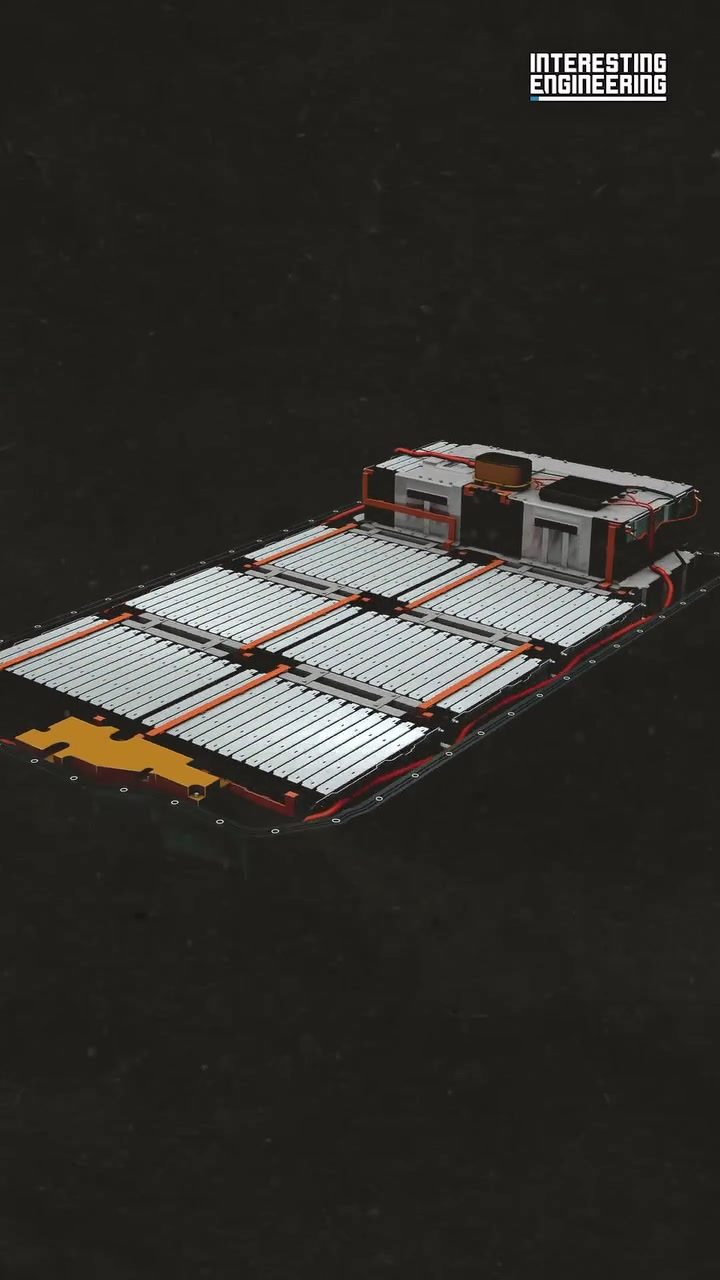
Sodium-ion Batteries: The Next Revolution in Energy Storage
Sodium-ion batteries are emerging as a promising alternative to traditional lithium-ion batteries, offering a range of advantages that could reshape the energy landscape. These batteries use sodium, an abundant and readily available element, as their primary component, making them a more sustainable and cost-effective option for various applications.
Why This Matters
The global demand for energy storage solutions is growing rapidly, driven by the increasing adoption of renewable energy sources and electric vehicles. Lithium-ion batteries, while efficient, have several drawbacks, including reliance on scarce and geopolitically sensitive resources like lithium and cobalt, as well as environmental and safety concerns. Sodium-ion batteries present a viable solution to these challenges, offering a more sustainable and potentially safer alternative to lithium-ion technology.
Main Discussion
The Potential of Sodium-ion Batteries
Sodium-ion batteries hold significant promise due to their unique advantages. One of the most compelling benefits is their performance in cold weather. Unlike lithium-ion batteries, which struggle to maintain efficiency in frigid temperatures, sodium-ion batteries can operate effectively in extreme cold conditions. This makes them particularly suitable for applications in colder climates or regions with significant temperature fluctuations.
Another key advantage is the improved thermal safety of sodium-ion batteries. The materials used in these batteries are generally safer and less prone to thermal runaway, a dangerous condition where the battery overheats and potentially catches fire. This enhanced safety profile makes sodium-ion batteries a more attractive option for large-scale energy storage systems and electric vehicles.
Advantages of Sodium-ion Batteries
Sodium-ion batteries offer several significant advantages over traditional lithium-ion batteries:
- Abundant and Cost-Effective Materials: Sodium is one of the most abundant elements on Earth, making it a cost-effective and sustainable alternative to lithium and cobalt. This abundance reduces the dependence on geopolitically sensitive resources and lowers the overall cost of battery production.
- Better Cold Weather Performance: Sodium-ion batteries perform well in cold temperatures, making them ideal for use in regions with harsh winter conditions.
- Improved Thermal Safety: The materials used in sodium-ion batteries are generally safer and less prone to thermal runaway, enhancing overall safety.
- Wider Supply Chains: The use of more readily available materials means that sodium-ion batteries can be produced with a more diverse and less geographically concentrated supply chain, reducing the environmental impact and potential disruptions.
Challenges and Limitations
While sodium-ion batteries offer numerous advantages, they also face several challenges that need to be addressed before they can become a mainstream technology.
- Lower Energy Density: Sodium-ion batteries currently have a lower energy density compared to lithium-ion batteries. This means they store less energy per unit of weight, making them less suitable for applications requiring high energy density, such as long-range electric vehicles.
- Short Lifespan: The lifespan of sodium-ion batteries is still being improved. Current iterations may not last as long as lithium-ion batteries, which can be a significant drawback for applications requiring long-term reliability.
- Heavier Weight: Sodium-ion batteries are generally heavier than lithium-ion batteries, which can be a disadvantage in applications where weight is a critical factor, such as in electric vehicles and portable electronics.
Comparison with Lithium-ion Batteries
Lithium-ion batteries have been the dominant technology for decades, powering everything from smartphones to electric vehicles. However, they come with their own set of challenges, including dependence on expensive and tightly controlled supply chains. As sodium-ion batteries improve, they could complement or even replace lithium-ion batteries in certain applications.
The real question isn't whether sodium-ion batteries are better overall; rather, it's about where they excel and whether they can arrive soon enough to make a significant impact. Their advantages in cold weather performance, thermal safety, and material abundance make them a strong contender for specific niches, such as grid-scale energy storage and short-range electric vehicles.
Practical Tips
For Manufacturers
- Invest in Research and Development: Continue to invest in R&D to improve the energy density, lifespan, and overall performance of sodium-ion batteries.
- Partner with Supply Chain Providers: Establish partnerships with supply chain providers to ensure a steady and cost-effective supply of raw materials.
- Develop Hybrid Solutions: Explore hybrid solutions that combine sodium-ion and lithium-ion technologies to leverage the strengths of both.
For Consumers
- Stay Informed: Keep up-to-date with the latest developments in sodium-ion battery technology to understand their potential benefits and limitations.
- Consider Specific Use Cases: Evaluate whether sodium-ion batteries are suitable for your specific needs, considering factors like cold weather performance and weight requirements.
- Support Sustainable Solutions: Opt for products that utilize sodium-ion batteries, contributing to a more sustainable and environmentally friendly energy ecosystem.
Important Takeaways
- Sodium-ion batteries offer significant advantages in terms of material abundance, cost-effectiveness, and improved thermal safety.
- Key challenges include lower energy density, shorter lifespan, and heavier weight, which need to be addressed for broader adoption.
- Sodium-ion batteries are likely to carve out their own niche in the energy storage market, complementing lithium-ion batteries rather than replacing them outright.
Conclusion
Sodium-ion batteries represent a promising advancement in energy storage technology, offering a range of benefits that could reshape the energy landscape. By leveraging the abundance and cost-effectiveness of sodium, these batteries provide a sustainable and safe alternative to traditional lithium-ion technology. As research and development continue, sodium-ion batteries are poised to play a crucial role in a more diverse and resilient battery ecosystem, making a significant impact on the clean tech economy.
Watch the Reel
Questions readers ask
How do sodium-ion batteries perform in cold weather compared to lithium-ion batteries?
Sodium-ion batteries exhibit superior performance in cold temperatures. They maintain a higher level of functionality and efficiency, making them a reliable choice for electric vehicles and other applications in cold climates, where lithium-ion batteries may struggle.
What makes sodium-ion batteries a more sustainable choice for energy storage?
Sodium-ion batteries use sodium, which is abundantly available in nature. This reduces the reliance on scarce resources like lithium and cobalt, making them an environmentally friendly and more sustainable option for energy storage solutions.
Can sodium-ion batteries be used in large-scale energy storage applications?
Yes, sodium-ion batteries are well-suited for large-scale energy storage. Their cost-effectiveness and ability to handle frequent charge-discharge cycles make them ideal for storing energy from renewable sources, such as solar and wind power, for use during peak demand periods.
What are the primary advantages of using sodium-ion batteries in electric vehicles?
Sodium-ion batteries offer several advantages for electric vehicles, including improved performance in cold weather, enhanced safety, and reduced costs. They also help mitigate the environmental impact associated with the extraction and processing of lithium and cobalt.
How do sodium-ion batteries contribute to the advancement of next-generation battery technology?
Sodium-ion batteries represent a significant step forward in battery technology by addressing key challenges such as resource scarcity, cost, and environmental concerns. Their development and implementation can lead to more affordable and sustainable energy solutions, driving the transition towards a greener future.
Are sodium-ion batteries a viable alternative to lithium-ion batteries for all applications?
While sodium-ion batteries offer numerous benefits, their suitability can vary depending on the specific application. They are particularly promising for large-scale energy storage and electric vehicles, but further research and development may be needed to optimize their performance for other uses, such as portable electronics.
Why are sodium-ion batteries considered cost-effective compared to lithium-ion batteries?
Sodium-ion batteries are cost-effective due to the abundant availability of sodium, which reduces material costs. Additionally, their manufacturing processes can be simpler and less energy-intensive, further lowering production costs and making them a more affordable option for widespread adoption.
Related deep dives
Similar reads based on topic and creator.


Recent articles
Fresh deep dives from the latest Reels we unpacked.




Comments
Be the first to comment.