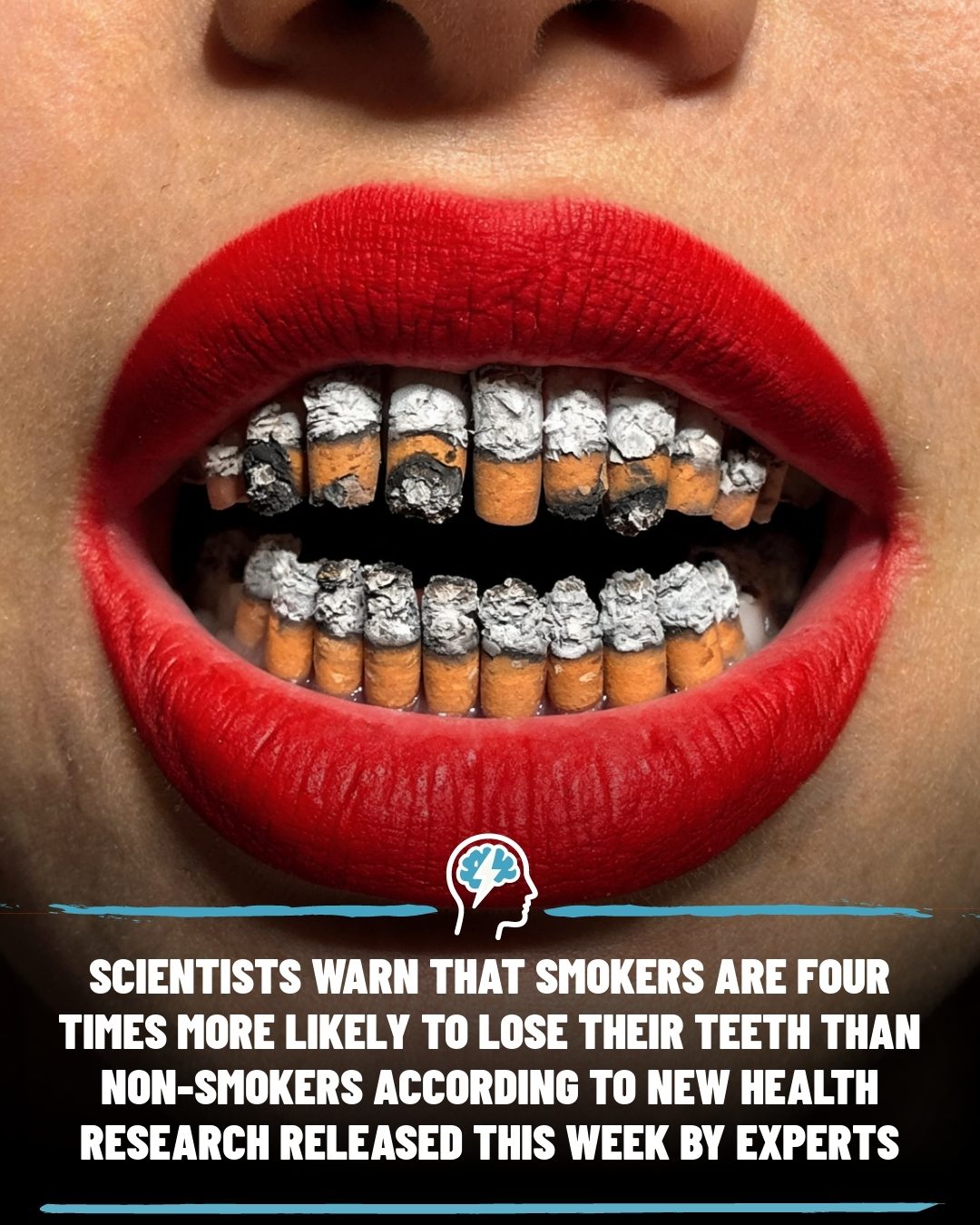
Smoking and Oral Health
The effects of smoking on oral health are significant and often underestimated. New research shows that smokers face nearly four times the risk of early tooth loss compared to non-smokers, even after accounting for age and hygiene habits. This is not just about aesthetics; it's about maintaining your teeth for a lifetime, which affects nutrition, speech, and overall health as you age.
Context
Smoking is a well-known risk factor for various health issues, but its impact on oral health is particularly severe. The consequences go beyond a stained smile, affecting the very structure and stability of your teeth and gums. Understanding these risks is critical for anyone who smokes or is considering quitting.
The Impact of Smoking on Oral Health
Increased Risk of Tooth Loss
Smokers are at a significantly higher risk of losing their teeth. The research highlights that this increased risk is nearly four times that of non-smokers. This alarming statistic underscores the need for awareness and preventive measures.
Gum Disease Progression
Smoking accelerates the progression of gum disease. It restricts blood flow to the gums, which means that oxygen and nutrients cannot reach the tissues holding your teeth in place. This lack of blood flow masks the early warning signs of gum disease, such as redness and bleeding. As a result, periodontal disease can advance quietly, wearing away at the bone and ligaments that support your teeth until they have nothing left to hold onto.
Accelerated Bone Loss
Male smokers tend to lose more teeth than female smokers at the same age. The more cigarettes smoked per day, the faster the breakdown. Younger smokers often exhibit more aggressive bone loss compared to their non-smoking peers. The heat from the smoke itself damages the soft tissue, creating an ideal environment for harmful bacteria to thrive.
Heat and Tissue Damage
The heat from cigarette smoke directly damages the soft tissue in the mouth. This damage creates the perfect conditions for harmful bacteria to flourish, further exacerbating gum disease and tooth loss. This cumulative damage can lead to significant oral health issues over time.
Reversing the Damage
Quitting smoking is not just about preventing future damage; it can also start to reverse the effects. Within a few years of quitting, the risk of severe gum disease begins to drop. Eventually, the oral health of an ex-smoker can closely resemble that of someone who never smoked. The extent of recovery depends on how much bone loss has already occurred, but quitting is a crucial step in protecting your oral health.
Practical Tips
Quitting Smoking
The most effective way to protect your oral health is to quit smoking. Seek support from healthcare professionals, join support groups, or use nicotine replacement therapies. Every step towards quitting is a step towards better oral health.
Regular Dental Check-Ups
Regular dental check-ups are essential for early detection and management of oral health issues. Dentists can monitor your gums and teeth, providing timely interventions to prevent severe damage.
Maintaining Good Oral Hygiene
Even for those who smoke, maintaining good oral hygiene can help mitigate some of the risks. Brush and floss regularly, and use mouthwash to reduce bacteria levels. Regular cleanings by a dental professional can also help keep your teeth and gums healthy.
Important Takeaways
- Increased Risk of Tooth Loss: Smokers are at a significantly higher risk of losing their teeth compared to non-smokers.
- Gum Disease Progression: Smoking accelerates gum disease by restricting blood flow to the gums, masking early warning signs.
- Bone and Tissue Damage: The heat from cigarette smoke damages soft tissue, promoting bacterial growth and accelerating bone loss.
- Quitting Smoking: Quitting can reverse some of the damage caused by smoking, improving overall oral health.
Conclusion
Smoking's impact on oral health is profound and multifaceted. From increased tooth loss to accelerated gum disease, the risks are significant. However, the good news is that quitting can help mitigate these risks and even reverse some of the damage. Taking proactive steps, such as quitting smoking, maintaining good oral hygiene, and regular dental check-ups, can protect your smile and overall health for years to come.
Watch the Reel
Questions readers ask
How does smoking increase the risk of early tooth loss?
Smoking accelerates the loss of bone density and tissue in the jaw, making teeth less secure and more prone to falling out. This is especially concerning in smokers who are already susceptible to tooth decay and gum disease.
What are the consequences of early tooth loss for smokers?
Early tooth loss can lead to difficulties in chewing, speaking, and even maintaining a balanced diet, which can have a substantial impact on overall health. Additionally, missing teeth can cause a loss in facial structure, altering your appearance.
How does smoking affect the appearance of teeth?
Chronic smoking can lead to teeth becoming yellow or even brown due to nicotine and tar. Furthermore, smoking can cause bad breath and even contribute to gum recession, making teeth appear longer and uneven.
What are the financial implications of smoking-related tooth loss?
The cost of treating smoking-related oral health issues, such as tooth loss, can be substantial. This includes the expense of dental implants, dentures, or other restorative procedures, as well as the cost of treating gum disease and other related complications.
Can quitting smoking improve oral health and reduce the risk of tooth loss?
Yes, quitting smoking can significantly improve oral health. Within months, the risk of gum disease and tooth loss can decrease, and the overall health of your teeth and gums can improve, leading to a reduced risk of tooth loss.
How does smoking impact oral health differently in smokers vs. non-smokers?
Smokers are at a much higher risk for oral health issues, including tooth loss, gum disease, and even oral cancer. This is due to the harmful chemicals in tobacco, which can weaken the immune system, reduce saliva production, and promote bacterial growth in the mouth, all of which can be detrimental to teeth and gums.
Related deep dives
Similar reads based on topic and creator.



Recent articles
Fresh deep dives from the latest Reels we unpacked.




Comments
Be the first to comment.