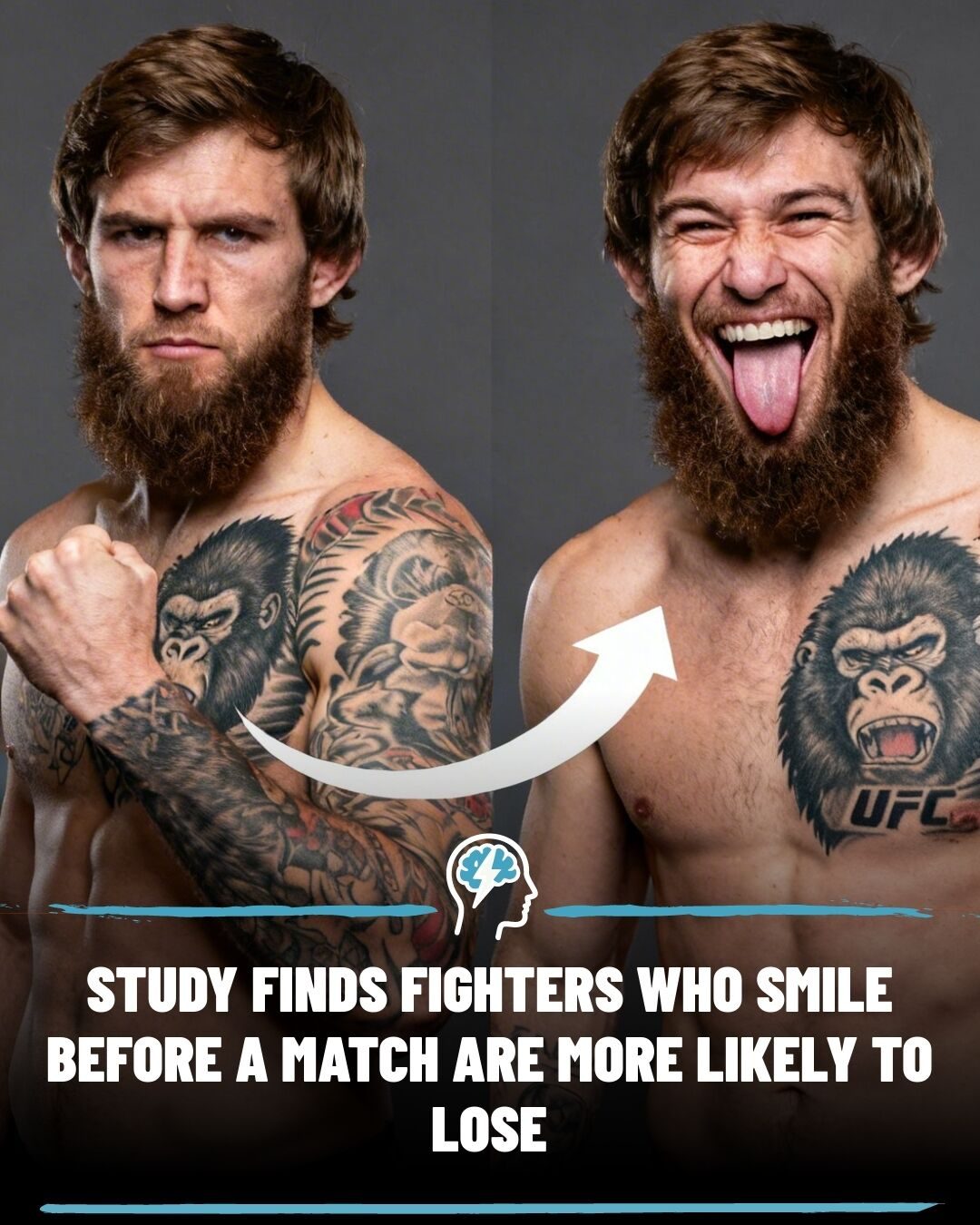
The Psychology of Smiling in the UFC Octagon
A 2013 study published in the journal Emotion analyzed 152 UFC fighters during pre-match face-offs and found something surprising. Fighters who smiled more intensely before stepping into the octagon were statistically more likely to lose. This research sheds light on the intriguing connection between a fighter's facial expressions and their performance in high-stakes combat sports.
Why This Matters
In the world of UFC, where every second counts and every move can determine victory or defeat, understanding the psychological factors at play is crucial. This study provides valuable insights into how nonverbal cues, such as smiling, can influence the outcome of a fight. By examining the impact of facial expressions, fighters can gain a deeper understanding of the psychological dynamics at play and potentially adapt their pre-fight behaviors to enhance their performance.
The Study: Smiling and Fight Performance
The study found that fighters who smiled more intensely before entering the octagon were more likely to lose. This phenomenon was consistent across various metrics, including the likelihood of getting knocked down, absorbing more hits, and being wrestled to the ground. The effect sizes ranged from small to medium, but the pattern was clear.
Nonverbal Signals and Dominance
The researchers hypothesized that smiling functions as a nonverbal signal of reduced hostility. This interpretation is similar to submission cues observed in animal behavior. When fighters smile, they may unintentionally convey a sense of vulnerability or reduced aggression, which can be exploited by their opponents. In a follow-up study, untrained observers rated the same fighters as less physically dominant, less aggressive, and less hostile when smiling compared to neutral expressions. This perception gap may give opponents a psychological edge, influencing the fight's outcome.
The Role of Genuine vs. Non-Genuine Smiles
It is important to note that most of the smiles examined were "non-Duchenne" smiles, meaning they lacked the genuine eye crinkling associated with real enjoyment. This suggests that these expressions may reflect involuntary emotional states rather than deliberate choices. Understanding the difference between genuine and non-genuine smiles can help fighters and coaches recognize the underlying emotional states and adjust their strategies accordingly.
Context and Individual Differences
While these findings are intriguing, it's essential to consider the context. This research focused specifically on high-stakes combat sports where intimidation plays a significant role. The findings may not apply to everyday social situations, where smiling carries completely different meanings. Additionally, results can vary by individual, and correlation does not equal causation. Therefore, fighters and coaches should use this information as one piece of a larger puzzle rather than an absolute rule.
Practical Tips for Fighters and Coaches
Pre-Fight Routines
Fighters and coaches can use this information to refine pre-fight routines. Instead of smiling, fighters might consider adopting a more neutral or intense expression to convey dominance and aggression. This could help in setting the right mindset before entering the octagon and potentially influencing the opponent's perception of their dominance.
Mental Preparation
Mental preparation is as important as physical training. Coaches can work with fighters to develop mental strategies that help them maintain a focused and aggressive mindset. This includes recognizing and controlling nonverbal cues that might inadvertently signal weakness or submission.
Understanding Opponents
By understanding the psychological impact of facial expressions, fighters can also gain insights into their opponents' behavior. Observing an opponent's expressions during pre-fight face-offs can provide valuable information about their emotional state and potential strategies.
Important Takeaways
The Power of Nonverbal Cues
Nonverbal cues, such as smiling, can significantly impact performance in high-pressure environments. Recognizing and managing these cues can give fighters an edge in the octagon.
Context is Key
The influence of facial expressions can vary depending on the context. While smiling may convey vulnerability in combat sports, it carries different meanings in everyday social situations.
Emotional States and Performance
Understanding the emotional states behind nonverbal cues is crucial. In combat sports, genuine and non-genuine smiles can reflect different emotional states, which can influence performance and strategy.
Holistic Approach
This research is just one piece of the puzzle. Combining psychological insights with physical training and mental preparation can lead to a more holistic approach to combat sports performance.
Conclusion
Understanding the psychological dynamics of facial expressions in the UFC octagon provides valuable insights for fighters and coaches. By recognizing the impact of smiling and other nonverbal cues, they can refine their strategies and mental preparation to enhance performance. The key takeaway is that context shapes how our expressions are interpreted, and in competitive, high-pressure environments, the signals we send, even unconsciously, may influence outcomes in ways we don't expect. This knowledge can be a powerful tool in the pursuit of victory.
Watch the Reel
Questions readers ask
Why do some UFC fighters smile before a fight?
Some fighters smile before a fight for various reasons, such as to display confidence, to try to psych out their opponent, or simply as part of their pre-fight routine. However, according to a 2013 study, more intense smiling before a fight may be associated with a higher likelihood of losing, suggesting that the act of smiling can potentially convey vulnerability or misinterpreted emotions.
How does smiling affect a fighter's performance in the UFC?
Smiling before a UFC fight can subtly influence performance by affecting the power dynamics between opponents. Intensive smiling may unintentionally convey vulnerability, potentially impacting the fighter's mindset and dominance in the octagon. This can lead to a significant impact on the fight's outcome, with more intense smiles correlating with increased chances of losing.
What psychological factors are involved in a UFC fighter's pre-fight expressions?
Pre-fight expressions in UFC, such as smiling, involve several psychological factors including emotional states, perception of vulnerability, and psychological dominance. These expressions can reveal underlying emotions, influence the opponent's mindset, and ultimately affect the fight's outcome.
Can a fighter's facial expressions influence their opponent's mindset?
Yes, a fighter's facial expressions, including smiling, can influence their opponent's mindset. Pre-fight expressions may convey confidence, aggression, or even vulnerability, which can affect an opponent's approach to the fight. Understanding these cues can help fighters strategically prepare for their matches.
What did the 2013 study on UFC fighters and smiling reveal?
The 2013 study published in the journal Emotion analyzed 152 UFC fighters and found that those who smiled more intensely before entering the octagon were statistically more likely to lose. This study highlighted the potential impact of nonverbal cues, such as smiling, on the outcomes of high-stakes combat sports.
How can UFC fighters use the knowledge of pre-fight expressions to their advantage?
UFC fighters can use the knowledge of pre-fight expressions to their advantage by being mindful of their own nonverbal cues and understanding the potential impact on their opponents. By controlling their expressions and reading their opponents' facial cues, fighters can gain a strategic edge and potentially influence the power dynamics and mindset of both themselves and their opponents.
Related deep dives
Similar reads based on topic and creator.




Recent articles
Fresh deep dives from the latest Reels we unpacked.




Comments
Be the first to comment.