Gut Health: The Power of Small, Consistent Habits
Gut health is intricately linked to overall well-being, and making progress in this area often comes from small, consistent habits rather than drastic dietary changes. By understanding how to make incremental adjustments, you can significantly improve your gut health. This guide highlights key areas where small changes can lead to big results, including coffee consumption, vegetable intake, physical activity, and the role of fitness apps.
Why This Matters
Your gut health is influenced by a variety of factors, including diet, hydration, and physical activity. By focusing on small, consistent habits, you can support your gut health without feeling overwhelmed by strict dietary rules. This approach not only promotes gut health but also enhances your overall well-being.
Small Habits for Gut Health
Coffee and Water Balance
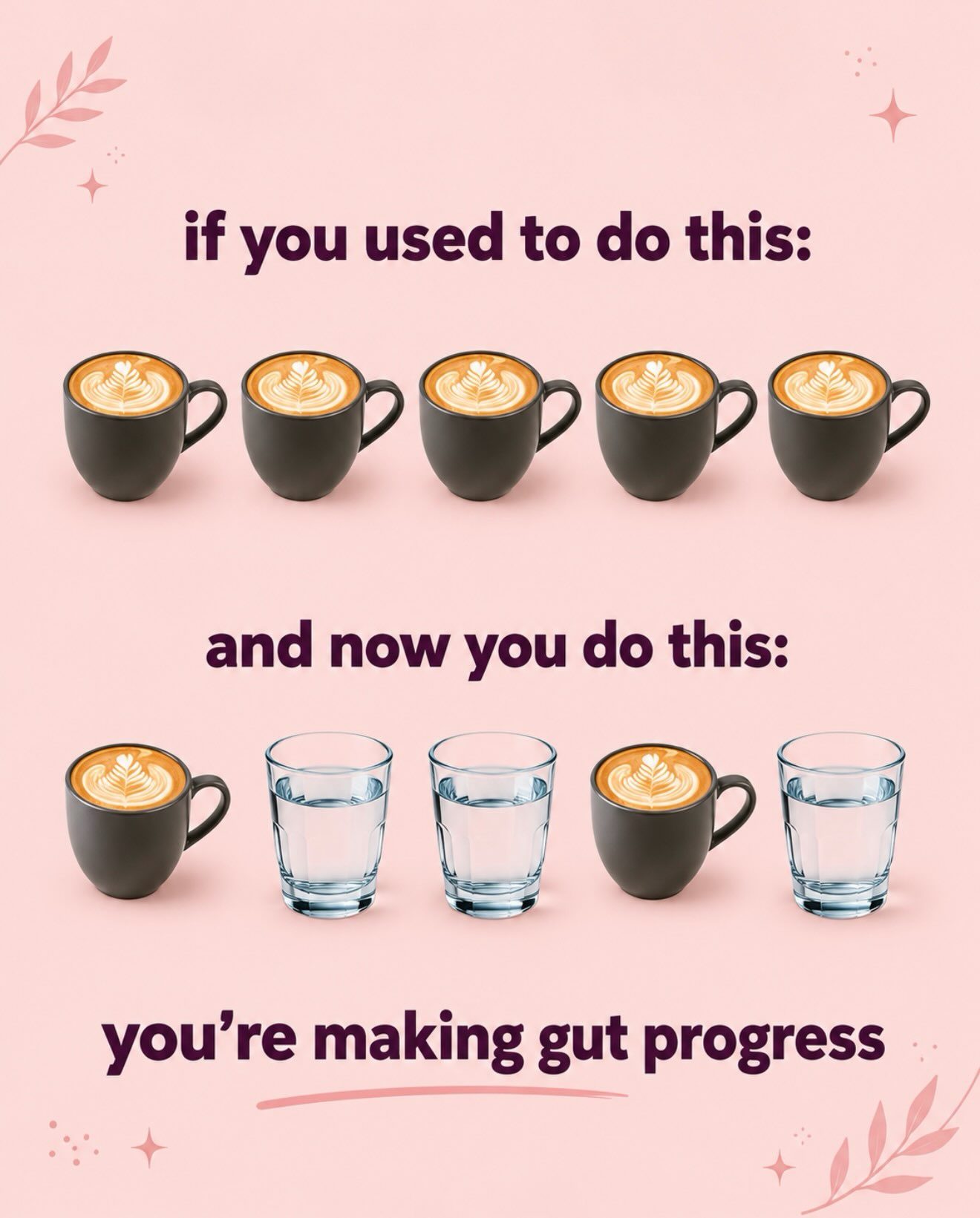
Coffee is a staple for many, but excessive consumption can disrupt gut health. The key is to find a balance. If you used to drink multiple cups of coffee throughout the day, try reducing your intake to just one cup. Even better, replace some of those coffee cups with water. Hydration is crucial for gut health, as it aids in digestion and nutrient absorption. Water also helps flush out toxins and supports the growth of beneficial gut bacteria.
Practical Steps
- Gradually reduce your coffee intake over a few weeks.
- Increase your water intake, aiming for at least 8 glasses a day.
- Listen to your body and adjust your intake based on how you feel.
Vegetable Variety and Preparation
Including a variety of vegetables in your diet supports gut health by providing essential nutrients and fiber. Cooking vegetables can also improve their digestibility, making them easier on your gut. Raw vegetables are nutritious, but they can be harder to digest for some people. By incorporating both raw and cooked vegetables, you can reap the benefits of both.
Practical Steps
- Rotate your vegetable choices to ensure a variety of nutrients.
- Cook vegetables like peppers, carrots, and eggplants to enhance digestibility.
- Experiment with different cooking methods to find what works best for you.
Physical Activity and Screen Time
Excessive screen time can lead to a sedentary lifestyle, which is detrimental to gut health. Physical activity, on the other hand, supports gut health by promoting better digestion and reducing inflammation. By breaking up long periods of sitting with short walks or stretches, you can significantly improve your gut health.
Smartphones are a common tool for tracking progress. The Workit App, for instance, integrates seamlessly with Apple devices. It allows users to track progress, set goals, and earn rewards. Such apps can make your journey to better gut health more manageable and rewarding.
Practical Steps
- Set reminders to take short breaks from screen time.
- Incorporate physical activities like yoga, walking, or stretching into your daily routine.
- Use a fitness app to track your progress and stay motivated.
Balanced Snacking
Snacking can be a gut-friendly practice, but it's important to choose the right snacks. Opt for balanced snacks that include a mix of fruits, nuts, yogurt, and higher-fiber options. This approach ensures that you get a variety of nutrients without relying on processed foods.
Practical Steps
- Prepare healthy snacks in advance to avoid grabbing unhealthy options.
- Include a mix of fruits, nuts, and yogurt in your snack choices.
- Experiment with different combinations to find what you enjoy and what works best for your gut.
Practical Tips
- Hydrate Consistently: Aim for at least 8 glasses of water a day to support digestion and nutrient absorption.
- Rotate Your Vegetables: Incorporate a variety of raw and cooked vegetables in your diet.
- Stay Active: Engage in physical activities like walking, stretching, or yoga throughout the day.
- Use Technology: Leverage fitness apps to track your progress, stay motivated, and earn rewards.
Important Takeaways
- Gut health benefits from small, consistent habits rather than radical changes.
- Balance your coffee intake with water to support hydration and digestion.
- Variety in vegetable consumption, including both raw and cooked options, is crucial for gut health.
- Reducing screen time and incorporating physical activity supports overall health and enhances gut function.
Conclusion
Gut health is a journey, and small, consistent steps can lead to significant improvements. By focusing on hydration, variety in diet, physical activity, and using technology to track your progress, you can create a balanced and sustainable approach to gut health.
Watch the Reel
Questions readers ask
How does coffee consumption affect gut health?
Coffee can have both positive and negative effects on gut health. It can stimulate bowel movements and promote digestion due to its caffeine content. However, excessive consumption can lead to dehydration and increased acidity, which may cause discomfort. It's essential to balance coffee intake with adequate water consumption and monitor how your body responds.
What types of vegetables are best for supporting gut health?
A variety of vegetables are beneficial for gut health, particularly those high in fiber. Leafy greens, cruciferous vegetables like broccoli and cabbage, and root vegetables such as carrots and beets are excellent choices. Aim to incorporate a mix of colors and types to ensure a diverse intake of nutrients that support a healthy gut microbiome.
How does hydration impact digestive health?
Hydration is crucial for maintaining digestive health. Water helps break down food, facilitates the absorption of nutrients, and prevents constipation by keeping waste moving through the digestive system. Consuming adequate water throughout the day is essential. If you drink coffee, which has a diuretic effect, be sure to balance it with extra water intake.
What role does physical activity play in maintaining a healthy gut?
Regular physical activity has been shown to improve gut health by increasing the diversity of gut bacteria, which aids in digestion and immune function. Even moderate exercise, such as walking or yoga, can have a positive impact. Incorporating daily physical activity, along with a balanced diet, can greatly enhance overall digestive health.
How can I create a daily routine to improve my gut health?
Start by making small, consistent changes to your daily habits. For example, ensure you're drinking enough water and consuming a variety of vegetables. Incorporate regular physical activity into your routine, and pay attention to how your body responds to coffee. Gradually adjust your habits based on what works best for you, and consider using a fitness app to track your progress and stay motivated.
Recent articles
Fresh deep dives from the latest Reels we unpacked.




Comments
Be the first to comment.