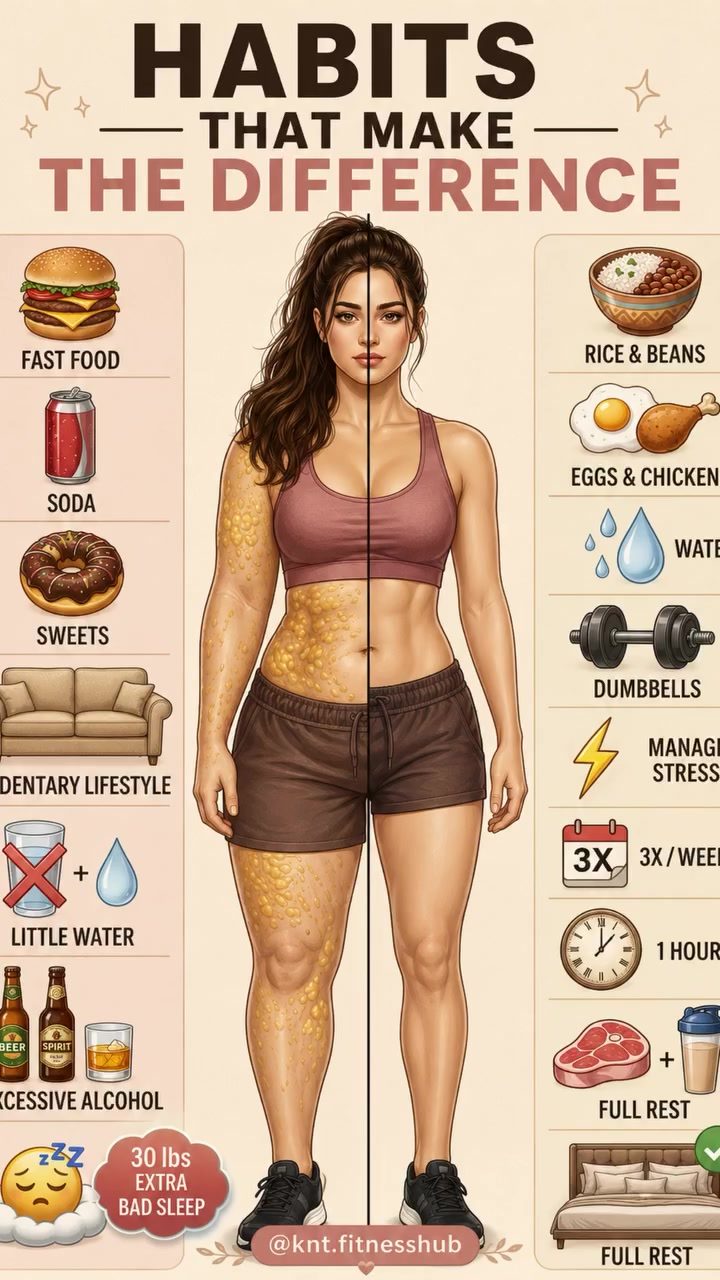
Healthy Habits vs. Unhealthy Habits
Healthy and unhealthy habits play a pivotal role in shaping our overall well-being, particularly in terms of physical fitness and appearance. Small, consistent choices in our daily routines can lead to significant changes in our health and physique.
Why This Matters
Understanding the impact of daily habits on our bodies is crucial for anyone looking to improve their physical fitness and overall health. By recognizing the differences between healthy and unhealthy habits, individuals can make informed decisions that support their wellness goals.
Main Discussion
Healthy habits are those that promote physical fitness, mental well-being, and overall health. Conversely, unhealthy habits can hinder progress and lead to poor health outcomes. Let's explore these two categories in depth.
Unhealthy Habits
Unhealthy habits are those that can negatively affect your physical and mental health. These include:
Dietary Choices
- Fast Food: Regular consumption of fast food can lead to excessive calorie intake and poor nutrition.
- Sugary Drinks: Consuming too many sodas and sweetened beverages contributes to weight gain and dental issues.
- Too Many Sweets: Excessive sugar intake can lead to obesity, diabetes, and other health problems.
- Excessive Alcohol: Overconsumption of alcohol can lead to liver damage, weight gain, and other serious health issues.
- Lack of Hydration: Not drinking enough water can result in dehydration, fatigue, and poor overall health.
Sedentary Lifestyle
- Sitting for Long Periods: A sedentary lifestyle can lead to poor posture, muscle weakness, and increased risk of chronic diseases.
Poor Sleep
- Inadequate Sleep: Poor sleep quality and insufficient sleep can lead to a weakened immune system, mood disturbances, and reduced physical performance.
Healthy Habits
Healthy habits are those that promote fitness, well-being, and overall health. These include:
Balanced Nutrition
- Balanced Meals: Eating meals that include a balance of protein, fiber, and healthy carbohydrates is essential for maintaining energy levels and supporting physical activity. Foods like rice, beans, eggs, and chicken are excellent choices for a nutritious diet.
- Hydration: Drinking plenty of water is crucial for maintaining bodily functions, aiding in digestion, and supporting overall health.
Regular Exercise
- Strength Training: Incorporating strength training into your routine, such as using dumbbells, helps build muscle mass and improve overall fitness. Aim for at least one hour of strength training per week.
- Consistent Exercise: Engaging in regular physical activity, such as walking, running, or cycling, helps maintain cardiovascular health and supports weight management.
Stress Management
- Manage Stress: Effective stress management techniques, such as meditation, deep breathing, or yoga, can help reduce cortisol levels, improve mental health, and support overall well-being.
Adequate Sleep
- Quality Sleep: Prioritizing 7–9 hours of quality sleep each night is essential for physical recovery, mental clarity, and overall health.
Practical Tips
Making the transition from unhealthy to healthy habits can be challenging, but with the right approach, it is achievable. Here are some practical tips to help you get started:
Gradual Changes
Start by making small, gradual changes to your daily routine. For example, replace sugary drinks with water, or swap fast food meals with homemade, balanced meals.
Set Goals
Set specific, achievable goals for yourself. Whether it's drinking more water, exercising regularly, or getting enough sleep, having clear goals can help you stay motivated and track your progress.
Stay Consistent
Consistency is key when it comes to establishing healthy habits. Make a commitment to stick with your new routines, even on days when you don't feel like it.
Stay Accountable
Hold yourself accountable by tracking your progress and celebrating small victories. Share your journey with friends or family to stay motivated and accountable.
Important Takeaways
The impact of daily habits on our health and physical appearance cannot be overstated. By recognizing and addressing unhealthy habits, and incorporating healthy habits into our daily routines, we can achieve significant improvements in our overall well-being.
Conclusion
Small, consistent choices can lead to big results. Whether it's through balanced nutrition, regular exercise, stress management, or adequate sleep, the path to a healthier lifestyle is within reach. By focusing on sustainable, evidence-based habits, anyone can make meaningful progress towards their fitness and wellness goals.
Watch the Reel
Questions readers ask
How can proper hydration support my fitness journey?
Adequate water intake is crucial for maintaining optimal physical performance. It aids in regulating body temperature, transporting nutrients, and lubricating joints. Aim for at least 8 glasses of water daily, and adjust based on your activity level and climate.
What are the benefits of consistent exercise routines for fitness?
Regular exercise routines help build strength, endurance, and flexibility. They also boost metabolism, improve mood, and reduce the risk of chronic diseases. Incorporate a mix of cardio, strength training, and flexibility exercises into your weekly fitness goals.
Why is adequate sleep important for maintaining fitness?
Sleep is essential for muscle recovery, growth, and overall health. During sleep, the body produces growth hormones that aid in tissue repair. Aim for 7-9 hours of quality sleep per night to support your fitness journey.
How does alcohol consumption affect my fitness progress?
Excessive alcohol can hinder your fitness progress by slowing down metabolism, causing dehydration, and increasing the risk of injury. It also affects muscle recovery and can lead to poor food choices, impacting your overall health and fitness goals.
What are the risks of a sedentary lifestyle for my fitness?
A sedentary lifestyle can lead to weight gain, poor posture, and an increased risk of chronic diseases like heart disease and diabetes. It also weakens muscles and reduces flexibility and endurance, making daily tasks more challenging.
How can I manage stress to improve my fitness journey?
Chronic stress can negatively impact your fitness journey by affecting sleep, increasing cortisol levels, and promoting unhealthy food choices. Techniques such as meditation, deep breathing, and yoga can help manage stress and support your overall health and fitness goals.
What are some healthy food choices to support my fitness goals?
Focusing on a balanced diet rich in lean proteins, whole grains, fruits, and vegetables can fuel your body and support your fitness journey. These foods provide essential nutrients and energy needed for exercise and recovery, while also promoting overall health.
Related deep dives
Similar reads based on topic and creator.




Recent articles
Fresh deep dives from the latest Reels we unpacked.




Comments
Be the first to comment.