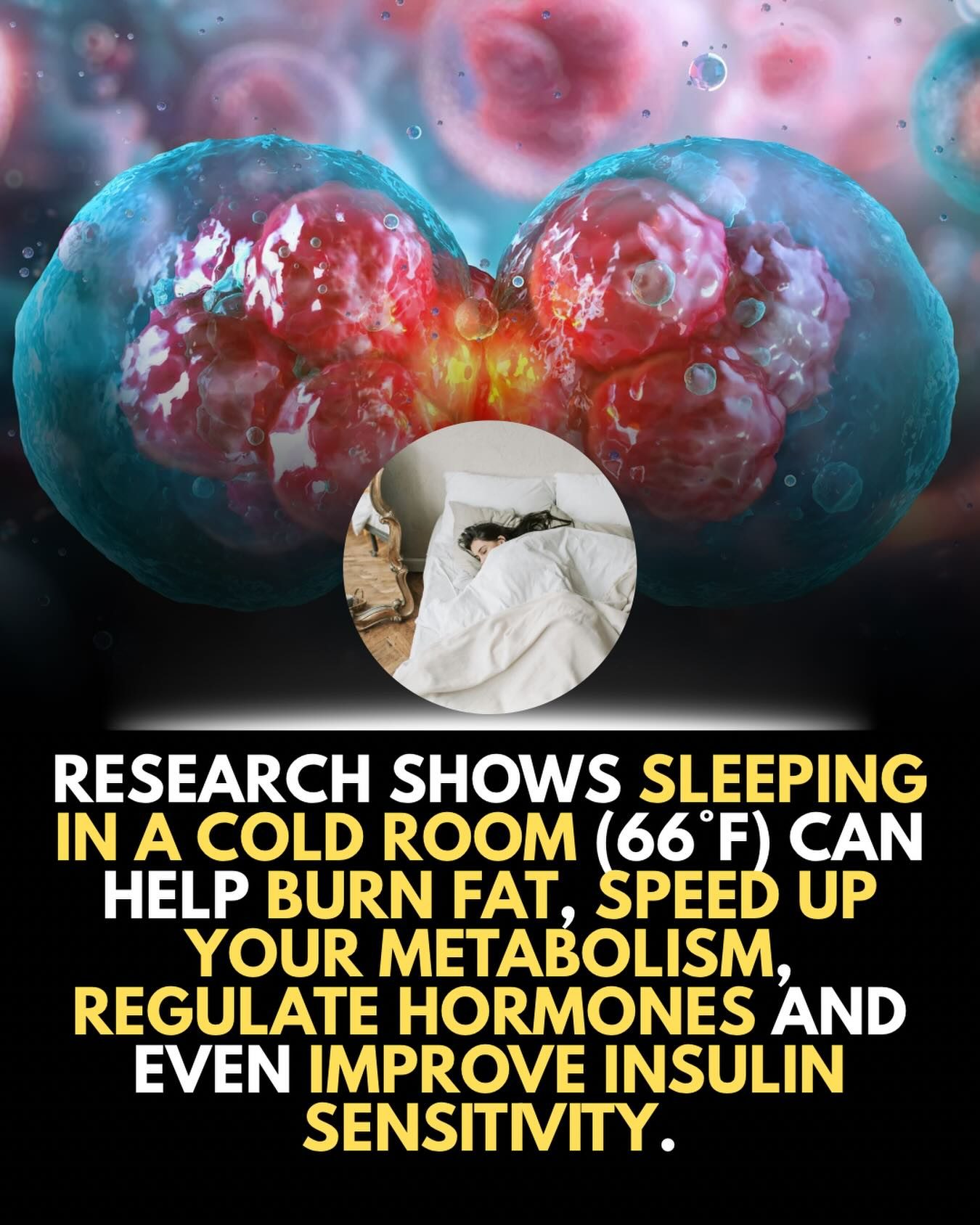
Cold Room Metabolism: The Science Behind Sleeping Cool
Sleeping in a cold room, specifically at 66°F (19°C), has garnered attention for its potential metabolic benefits. This practice is rooted in the activation and expansion of brown adipose tissue, commonly known as brown fat. Brown fat plays a crucial role in regulating body temperature and metabolism, making it a key player in weight management and overall health.
Why This Matters
Understanding the impact of cold room temperatures on metabolism can provide valuable insights for those looking to optimize their health and weight management strategies. By leveraging the body’s natural responses to cold, individuals can potentially enhance their metabolic function and overall well-being.
The Role of Brown Fat
Brown fat is distinct from white fat, which primarily stores excess energy. Brown fat, on the other hand, is highly metabolically active. When exposed to mild, prolonged cold, brown fat utilizes a process called non-shivering thermogenesis. This process draws sugar and white fat stores directly from the bloodstream, burning those calories to generate heat and maintain the body’s core temperature. This makes brown fat a powerful ally in weight management.
Clinical Evidence
A clinical study published in the journal "Diabetes" provides compelling evidence supporting the benefits of sleeping in a cold room. Healthy participants who spent a month sleeping at a steady 66°F (19°C) experienced a remarkable 42% increase in brown fat volume and a 10% boost in overall fat metabolic activity. These findings underscore the potential of cold room temperatures in enhancing metabolic health.
Hormonal Shifts and Metabolic Health
Beyond direct calorie burning, a cooler sleep environment triggers a cascade of hormonal shifts that fundamentally improve metabolic health. Sleeping at 66°F closely aligns with the human body’s natural circadian rhythm, which requires a drop in core temperature to initiate deep sleep cycles. This deep, uninterrupted rest optimizes the production of melatonin, a hormone linked to anti-aging and metabolic health. It also successfully regulates hunger hormones like leptin and ghrelin.
Insulin Sensitivity and Blood Sugar Disposal
Improving insulin sensitivity and blood sugar disposal overnight is another significant benefit of a chilly bedroom. This prevents the insulin spikes that favor fat storage, creating a sustainable foundation for long-term weight management. Consequently, waking up well-rested from a cool room helps suppress daytime cravings, making it easier to maintain a healthy diet and lifestyle.
Practical Tips for Sleeping in a Cold Room
Setting the Right Temperature
To reap the benefits of cold room metabolism, start by setting your thermostat to 66°F (19°C) during sleep. This temperature range has been shown to activate brown fat and promote metabolic health. Gradually adjusting to this temperature can help your body adapt more comfortably.
Invest in Warm Bedding
Wearing warm pajamas and using insulating bedding can keep you cozy while still benefiting from the cooler room temperature. This approach allows you to maintain comfort while leveraging the metabolic advantages of a cold sleep environment.
Create a Sleep-Conducive Environment
Ensure your sleep environment is conducive to deep, uninterrupted rest. This includes minimizing light and noise disruptions, using comfortable pillows and mattresses, and maintaining a relaxing bedtime routine. By optimizing your sleep environment, you can enhance the overall benefits of sleeping in a cold room.
Important Takeaways
- Sleeping in a 66°F (19°C) room can activate and expand brown fat, leading to increased metabolic activity and fat burning.
- A cooler sleep environment triggers hormonal shifts that improve metabolic health and support weight management.
- Deep, uninterrupted sleep at a lower temperature aligns with the body’s natural circadian rhythm, enhancing the production of melatonin and regulating hunger hormones.
- Improving insulin sensitivity and blood sugar disposal overnight can prevent fat storage and reduce daytime cravings.
Conclusion
Sleeping in a cold room offers a range of metabolic benefits, from activating brown fat to improving insulin sensitivity. By understanding and leveraging these benefits, individuals can optimize their metabolic health and support long-term weight management. Incorporating a cooler sleep environment into your routine, along with warm bedding and a sleep-conducive atmosphere, can help you reap these advantages and enhance your overall well-being.
Watch the Reel
Questions readers ask
What is the ideal temperature for a bedroom to boost metabolism?
To enhance metabolic function, it is recommended to maintain a bedroom temperature of around 66°F (19°C). This temperature can activate and expand brown fat, which is beneficial for metabolism and weight management.
How does sleeping in a cold room activate brown fat?
Exposure to cold temperatures while sleeping stimulates the body to produce more brown fat, also called brown adipose tissue. This type of fat helps to regulate body temperature and metabolism, which can lead to improved fat burning and overall metabolic health.
Can sleeping in a cold room help with weight management?
Yes, sleeping in a cool room could potentially aid in weight management. The activation of brown fat due to cold exposure can increase metabolism, which may help in burning more calories and reducing fat storage.
How does cold exposure benefit insulin sensitivity?
Cold exposure can enhance insulin sensitivity. By activating brown fat, the body's ability to regulate sugar levels improves. This can help with blood sugar regulation and contribute to better overall metabolic health and improved well-being.
What are the benefits of improving core body temperature regulation?
Improving core body temperature regulation through cold exposure can lead to better metabolic health. It helps the body to more efficiently manage its internal processes, which can result in improved fat-burning, better blood sugar control, and overall enhanced well-being.
Related deep dives
Similar reads based on topic and creator.

Recent articles
Fresh deep dives from the latest Reels we unpacked.




Comments
Be the first to comment.