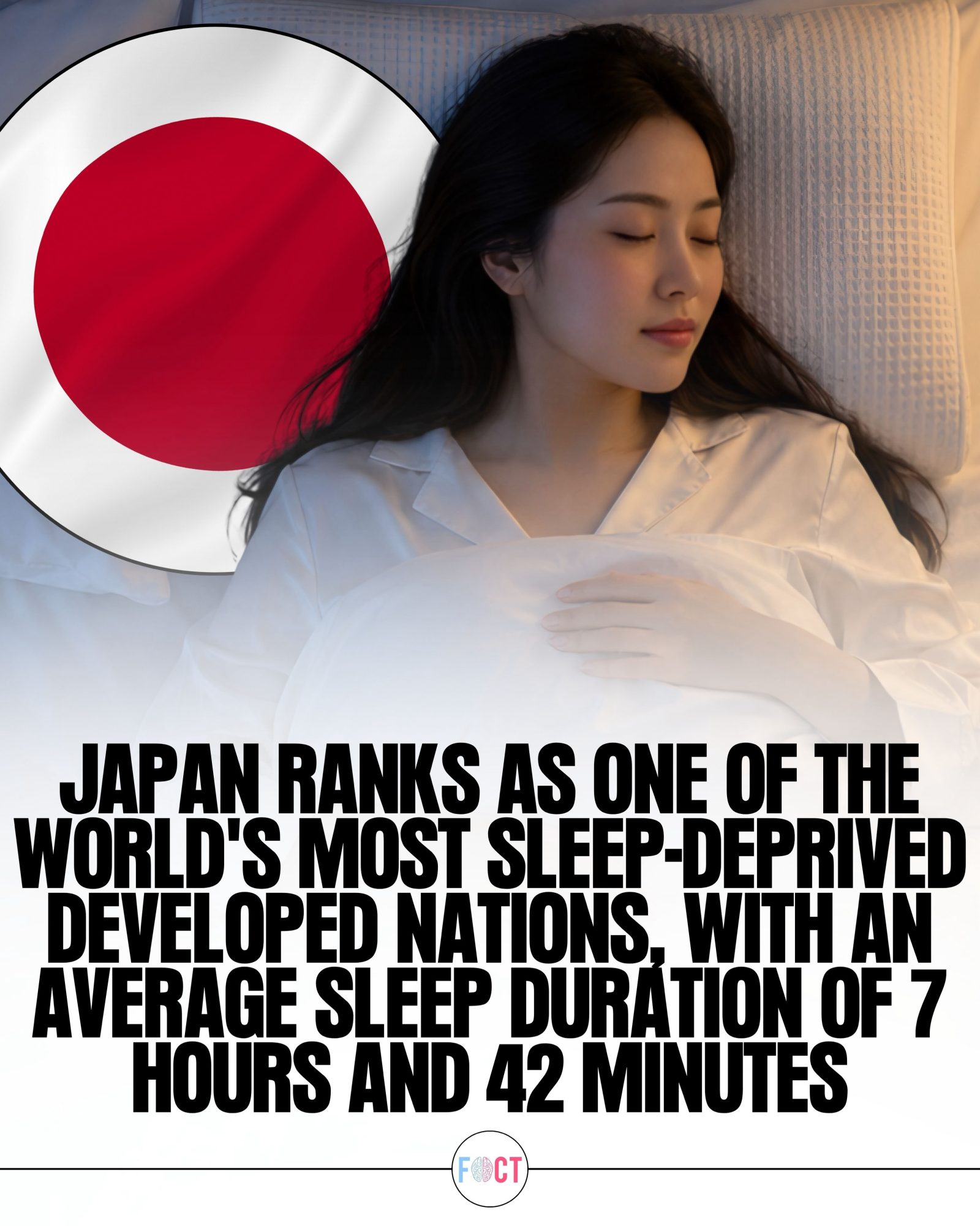
Sleep Deprivation in Japan
Japan ranks as one of the world's most sleep-deprived developed nations, with the average person sleeping only 7 hours and 42 minutes per night. This duration is the lowest among OECD (Organisation for Economic Co-operation and Development) countries, highlighting a significant issue that has long-term health and productivity implications.
Why This Matters
The importance of adequate sleep cannot be overstated. Sleep is vital for both physical and mental health, and chronic sleep deprivation can lead to a host of health issues. In Japan, the problem is particularly pronounced, with both the government and health experts recognizing the need for better sleep habits among the population. Understanding the causes and effects of sleep deprivation in Japan provides valuable insights into a broader global issue.
Main Discussion
Causes of Sleep Deprivation in Japan
Several factors contribute to the widespread sleep deprivation in Japan. Long working hours are a significant factor. The country is known for its demanding work culture, where employees often work well beyond their contracted hours. This is exacerbated by lengthy commutes, which can add several hours to the daily routine.
School and workplace cultures also play a role. Students and young professionals often face intense pressure to perform well, leading to late nights studying or working. Additionally, the social norm of late bedtimes contributes to the problem. Many people in Japan stay up late to relax and socialize, further reducing the time available for sleep.
Health Implications
Chronic sleep deprivation has serious health consequences. It can lead to reduced concentration and poorer mental health, including increased risks of depression and anxiety. Physically, it weakens the immune system and increases the risk of heart disease and other long-term health problems. The cumulative effect of these issues can significantly impact an individual's quality of life and overall health.
Government and Health Expert Responses
Recognizing the severity of the issue, both the Japanese government and health experts have launched campaigns to encourage better sleep habits. These initiatives aim to educate the public about the importance of sleep and provide practical tips for improving sleep quality and duration. Public health campaigns emphasize that better sleep is essential for both individual well-being and national productivity.
Practical Tips for Better Sleep
Establish a Consistent Sleep Schedule
Maintaining a regular sleep schedule can help regulate your body's internal clock. Try to go to bed and wake up at the same time every day, even on weekends.
Create a Relaxing Bedtime Routine
Engage in calming activities before bed, such as reading, taking a warm bath, or practicing relaxation exercises. Avoid screens, which emit blue light that can disrupt your sleep cycle.
Improve Your Sleep Environment
Ensure your bedroom is conducive to good sleep. Keep it dark, quiet, cool, and comfortable. Consider using earplugs, an eye mask, or a white noise machine if needed.
Limit Caffeine and Alcohol
Both substances can interfere with sleep. Try to avoid caffeine after 2 PM and limit alcohol consumption, especially close to bedtime.
Important Takeaways
Japan's struggle with sleep deprivation serves as a stark reminder of the broader global issue. Long working hours, demanding cultures, and social norms contribute to inadequate sleep, which has significant health implications. Addressing this issue requires a multi-faceted approach, including public awareness campaigns and practical lifestyle changes. Recognizing the importance of sleep and taking proactive steps to improve sleep habits is crucial for both individual health and national productivity.
Conclusion
Sleep deprivation is a serious issue in Japan, with far-reaching consequences. Long working hours, lengthy commutes, and demanding school and workplace cultures all contribute to the problem. The health implications are severe, including reduced concentration, poor mental health, weakened immunity, and increased risks of heart disease and other long-term health problems. By understanding the causes and effects of sleep deprivation and taking practical steps to improve sleep habits, individuals and societies can work towards better health and productivity.
Watch the Reel
Questions readers ask
How many hours of sleep do Japanese citizens typically get per night?
On average, Japanese citizens sleep only 7 hours and 42 minutes per night, making Japan one of the most sleep-deprived developed nations.
What are the primary causes of sleep deprivation in Japan?
Long working hours, intense study or work pressure, and societal norms contribute significantly to sleep deprivation in Japan.
How does sleep deprivation affect the overall health of Japanese citizens?
Chronic sleep deprivation in Japan is linked to various health issues, including mental health struggles and increased risk of diseases, affecting overall well-being.
What impact does sleep deprivation have on Japan's productivity?
Sleep deprivation can lead to decreased productivity and increased health costs, affecting Japan's national productivity.
How do Japanese sleep habits compare to those of other developed nations?
Japan ranks lowest among OECD countries in terms of average sleep duration, highlighting a significant issue in the country.
Why is addressing sleep deprivation important for Japan's future?
Improving sleep habits is crucial for enhancing the physical and mental health of citizens, as well as boosting productivity and economic growth.
Related deep dives
Similar reads based on topic and creator.




Recent articles
Fresh deep dives from the latest Reels we unpacked.




Comments
Be the first to comment.