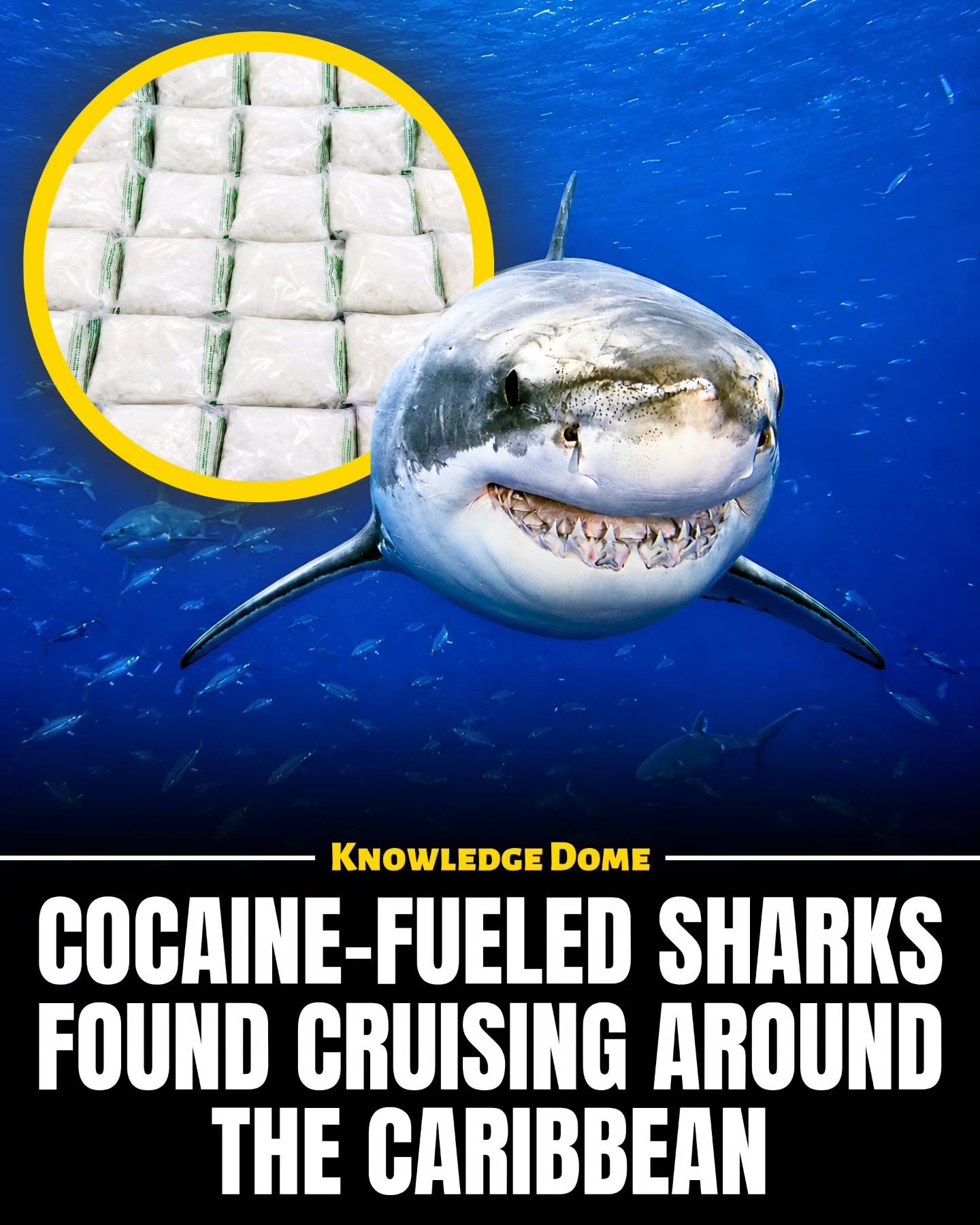
Shocking Discovery: Sharks in the Bahamas Found With Human Drugs
Sharks living near Eleuthera Island in the Bahamas have been discovered with human-made drugs in their systems. A study published in the journal Environmental Pollution revealed that about one-third of 85 tested sharks had these substances in their blood. The findings shed light on the unexpected ways human pollution can impact marine life.
Context / Why This Matters
The discovery of drugs in sharks highlights a growing concern about marine pollution. The presence of substances like caffeine, acetaminophen, diclofenac, and even cocaine in these creatures underscores the extent to which human activities can affect seemingly pristine ocean environments. This issue is not just about the sharks; it reflects broader problems of water contamination and coastal pollution.
Main Discussion
The Study and Its Findings
The study, conducted by scientists in the Bahamas, tested blood samples from 85 sharks. The results showed that a significant portion of these sharks had ingested human-made drugs. The most commonly detected substance was caffeine, a stimulant found in many beverages like coffee and energy drinks. Other detected substances included painkillers like acetaminophen and diclofenac, ingredients found in medicines such as Tylenol and Voltaren.
Two of the sharks, including a young lemon shark, tested positive for cocaine. This is the first instance of cocaine being detected in sharks in the Bahamas, raising questions about the sources of this pollution. The study suggests that the drugs may come from contaminated wastewater, sewage, and even drug packages accidentally ingested by the sharks.
Potential Sources of Pollution
Scientists believe that the drugs found in the sharks' bodies likely originate from human activities such as wastewater discharge and sewage. Coastal tourism, which can contribute to localized pollution, is also a potential source. The study notes that some sharks may have ingested drug packages floating in the water, highlighting the issue of marine debris and its impact on wildlife.
Health Impacts on Sharks
The study also found signs that the sharks' bodies were under stress, working harder to deal with the toxic chemicals. While there is no definitive proof that these drugs are causing the sharks to become aggressive, the findings indicate that the sharks’ health is being compromised. This raises concerns about the long-term effects of pollution on marine life and the broader ecosystem.
Practical Tips
What You Can Do to Reduce Pollution
Reducing marine pollution starts with individual actions. Here are some practical tips to help minimize your impact on marine life:
- Proper Disposal of Pharmaceuticals: Avoid flushing medications down the toilet or drain. Instead, use designated drug disposal sites or follow local guidelines for safe disposal.
- Responsible Waste Management: Ensure that your household waste, particularly plastics and chemicals, is properly disposed of. Avoid leaving waste that can end up in the ocean.
- Support Sustainable Tourism: When traveling, choose eco-friendly accommodations and activities that prioritize environmental conservation.
- Reduce Plastic Use: Cut down on single-use plastics and opt for reusable items to reduce the amount of waste that ends up in the ocean.
Important Takeaways
- Drugs commonly found in human medicines and recreational substances are entering the marine environment.
- These substances can accumulate in marine life, affecting their health and behavior.
- Human activities like wastewater discharge, sewage, and coastal tourism are significant contributors to this pollution.
- Reducing pollution requires both individual actions and broader environmental policies.
Conclusion
The discovery of human-made drugs in sharks near Eleuthera Island is a stark reminder of how our actions on land can impact distant marine environments. The presence of caffeine, painkillers, and even cocaine in these creatures highlights the need for better waste management and pollution control measures. By taking practical steps to reduce our environmental footprint, we can help protect marine life and ensure the health of our oceans for future generations.
Watch the Reel
Questions readers ask
How were drugs detected in the sharks of the Bahamas?
Researchers conducted a study where they tested the blood of 85 sharks living near Eleuthera Island. Through these tests, they found that approximately one-third of the sharks had human-made drugs in their systems.
What types of drugs were found in the sharks?
The study identified a range of substances, including common drugs like caffeine and painkillers such as acetaminophen and diclofenac, as well as cocaine.
Why is the discovery of drugs in sharks concerning?
This discovery is alarming because it shows how human waste and activities can contaminate even remote ocean environments. It highlights the potential impact of pollution on marine ecosystems and the creatures that inhabit them.
What does this finding reveal about human pollution in the ocean?
The presence of these drugs in sharks suggests that human pollution is widespread and can affect marine life in unexpected ways. It serves as a stark reminder of our impact on the ocean, even in areas far from urban centers.
How does this discovery impact our understanding of marine life contamination?
This discovery provides concrete evidence that marine life can be exposed to human-made pollutants. It emphasizes the need for further research into how these contaminants affect the health and behavior of marine species.
What can be done to address the issue of drugs in marine life?
Addressing this issue requires a multi-faceted approach, including improving wastewater treatment processes, reducing drug disposal into waterways, and increasing awareness about the environmental impact of pharmaceuticals. By taking these steps, we can help mitigate the effects of human pollution on marine life.
Are there other marine species that might be affected by human drug pollution?
While the study focused on sharks, it is likely that other marine species are also affected by human drug pollution. Further research is needed to understand the full extent of this impact and to develop strategies to protect marine ecosystems.
Related deep dives
Similar reads based on topic and creator.


Recent articles
Fresh deep dives from the latest Reels we unpacked.




Comments
Be the first to comment.