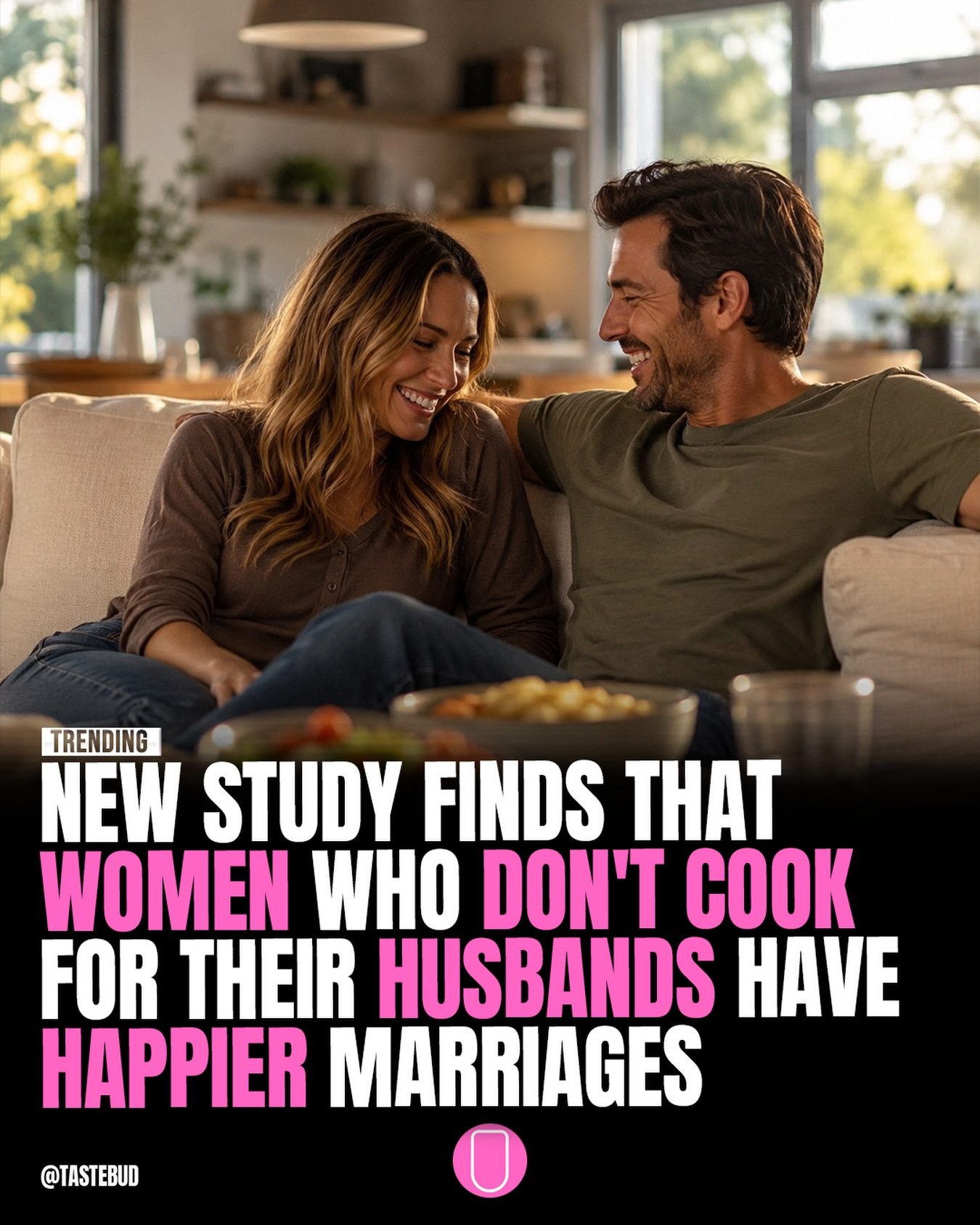
Marriage and Cooking: The Surprising Connection
Cooking is often seen as a cornerstone of domestic life, but a long-term study tracking thousands of couples has revealed an unexpected pattern: how daily cooking responsibilities are divided can significantly impact relationship satisfaction. Partners who felt expected to cook every day reported lower relationship satisfaction compared to those who shared or rotated responsibilities. Researchers believe constant "service roles" can create an imbalance over time, leading to fatigue or resentment. This is true regardless of who is actually doing the cooking.
The happiest couples, according to the study, weren't necessarily those who avoided cooking altogether. Rather, they were those who shared the responsibility. This sharing of duties is less about the act of cooking and more about the perception of fairness within the relationship.
This finding is intriguing because it challenges conventional notions about gender roles and domestic responsibilities. The study suggests that traditional divisions of labor, where one partner is primarily responsible for cooking, can lead to dissatisfaction. By contrast, couples who view cooking as a shared responsibility report higher levels of happiness and satisfaction.
Why This Matters
Understanding this connection between cooking and relationship satisfaction is crucial for several reasons. First, it highlights the importance of fairness in household chores. When one partner feels burdened by constant responsibilities, it can lead to resentment and a perception of unfair treatment. This imbalance can erode the foundation of a relationship over time.
Second, it underscores the need for open communication about domestic responsibilities. Couples who explicitly discuss and agree on how to divide tasks like cooking are more likely to feel satisfied and valued. This communication helps prevent misunderstandings and ensures that both partners feel their contributions are recognized and appreciated.
The Impact of Service Roles
Service roles, such as constant cooking, can create a dynamic where one partner feels like they are always giving while the other is always receiving. This imbalance can lead to resentment and dissatisfaction over time. Researchers found that couples who shared cooking responsibilities reported higher levels of satisfaction and happiness.
Shared responsibilities can also enhance the emotional connection between partners. When both individuals contribute equally to household tasks, it fosters a sense of teamwork and mutual support. This shared effort can strengthen the bond between partners and create a more harmonious home environment.
The Role of Fairness
Fairness is a critical factor in maintaining a healthy relationship. When one partner feels overburdened while the other feels under-appreciated, it can lead to a vicious cycle of resentment and dissatisfaction. By sharing cooking responsibilities, couples can ensure that both partners feel valued and that their contributions are recognized.
Fairness also means considering each partner's preferences and abilities. Some people may enjoy cooking more than others, and it's essential to take these preferences into account. For example, if one partner enjoys cooking but the other doesn't, they could negotiate a schedule where the cooking enthusiast takes the lead more often, but with mutual agreement and appreciation. This way, both partners feel valued and respected.
Avoiding Burnout
Cooking daily can be a stressful task, especially if one partner feels they have no choice in the matter. Burnout from constant responsibilities can lead to exhaustion and resentment, which can seep into other aspects of the relationship. By sharing the responsibility, couples can prevent burnout and ensure that both partners feel energized and appreciated.
Shared responsibilities also allow for more flexibility. Couples can take turns planning and preparing meals, allowing each partner to try new recipes and experiment with different cuisines. This variety can make meals more enjoyable and create a sense of excitement and adventure in the kitchen.
Enhancing Bonding
Cooking together can be a bonding experience for couples. It provides an opportunity for partners to work together, communicate, and collaborate. This shared activity can also create a sense of accomplishment and satisfaction, especially when the meal turns out well. This experience can strengthen the emotional connection between partners and create lasting memories.
Practical Tips
To foster a fair and balanced dynamic, consider the following tips:
Open Communication
Regularly discuss household chores, including cooking. Ensure that both partners feel heard and that their concerns are addressed. This ongoing dialogue can help prevent misunderstandings and ensure that both partners feel valued.
Create a Schedule
Develop a rotating schedule for cooking responsibilities. This way, both partners know what to expect and can plan accordingly. A schedule can also help prevent the feeling of constant obligation and ensure that tasks are distributed evenly.
Experiment with New Recipes
Cooking can be a fun and creative activity. Experiment with new recipes and cuisines to keep things interesting. This variety can make meals more enjoyable and create a sense of excitement and adventure in the kitchen.
Take Turns Planning
Planning meals together can be a fun and collaborative activity. Take turns planning and preparing meals to ensure that both partners have a say in the process. This collaboration can help prevent one partner from feeling overburdened and ensure that both partners feel valued.
Respect Preferences
Consider each other's preferences and abilities. If one partner enjoys cooking more than the other, find a way to incorporate this preference into your schedule. This way, both partners feel valued and respected, and cooking responsibilities feel more balanced.
Important Takeaways
The study highlights several key takeaways for couples:
Fairness is Key
Equitable division of cooking responsibilities ensures that both partners feel valued and appreciated. A sense of fairness can greatly enhance relationship satisfaction and prevent resentment.
Communication Matters
Open and ongoing communication about household chores is essential. Regularly discuss responsibilities, preferences, and any concerns to ensure that both partners feel heard and valued.
Shared Responsibilities Enhance Bonding
Cooking together can be a bonding experience. It provides an opportunity for partners to work together, communicate, and collaborate, which can strengthen the emotional connection and create lasting memories.
Prevent Burnout
Shared responsibilities can prevent one partner from feeling overburdened and exhausted. A rotating schedule or shared planning can ensure that both partners feel energized and appreciated.
Flexibility is Important
Flexibility in cooking responsibilities allows for variety and experimentation. This can make meals more enjoyable and create a sense of excitement and adventure in the kitchen.
Conclusion
Cooking can be a joyful and rewarding activity, but it's essential to approach it with a sense of fairness and balance. By sharing cooking responsibilities, couples can prevent burnout, enhance bonding, and foster a deeper sense of satisfaction and happiness in their relationship. Through open communication, equitable distribution of tasks, and mutual respect, couples can ensure that cooking is a source of joy rather than a burden.
Watch the Reel
Questions readers ask
How does sharing cooking duties affect marital happiness?
Sharing cooking duties can foster a sense of fairness and reduce feelings of resentment, which are key factors in boosting marital happiness. When both partners contribute equally to meal preparation, it prevents one person from feeling overburdened and the other from feeling undervalued.
What are the benefits of rotating cooking responsibilities between partners?
Rotating cooking responsibilities ensures that neither partner feels stuck in a constant 'service role,' which can lead to fatigue and resentment over time. This approach promotes a sense of teamwork and shared responsibility, which can strengthen the relationship.
Why is fairness in cooking duties important for long-term marriage happiness?
Fairness in cooking duties is crucial because it helps maintain a balanced partnership. When both partners feel that they are contributing equally, it reduces the likelihood of conflicts and increases overall satisfaction in the relationship.
Can cooking together as a couple help improve communication?
Yes, cooking together can serve as a bonding activity that encourages better communication. It provides an opportunity for couples to work together, discuss their day, and enjoy each other's company, reinforcing their emotional connection.
How does constant expectation to cook affect relationship satisfaction?
When one partner is constantly expected to cook, it can create an imbalance in the relationship, leading to feelings of fatigue and resentment. This dynamic can negatively impact relationship satisfaction, regardless of who is actually doing the cooking.
What are some practical tips for sharing cooking duties?
To effectively share cooking duties, couples can establish a schedule where each partner takes a turn cooking, or they can divide tasks based on their preferences and strengths, such as meal planning, grocery shopping, or cooking.
Why do the happiest couples tend to share cooking responsibilities?
The happiest couples tend to share cooking responsibilities because it promotes a sense of equality and teamwork. This shared effort helps prevent one partner from feeling taken for granted and the other from feeling overburdened, leading to a more harmonious and satisfying relationship.
Related deep dives
Similar reads based on topic and creator.



Recent articles
Fresh deep dives from the latest Reels we unpacked.




Comments
Be the first to comment.