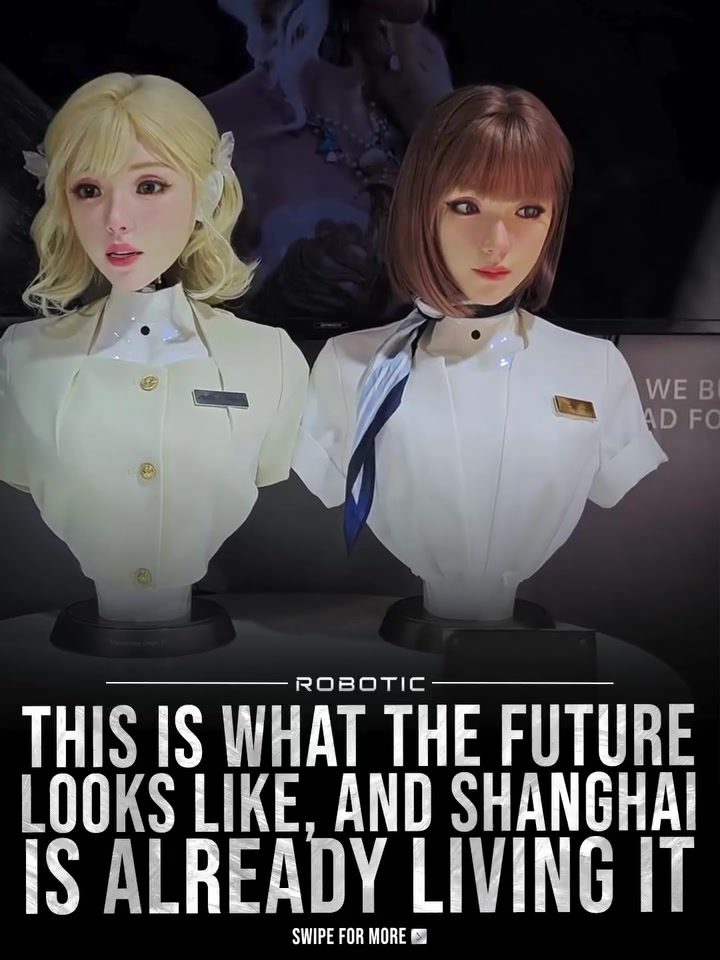
Humanoid Robots: The Future of Technology
Shanghai, a city known for its technological advancements, annually hosts the World Artificial Intelligence Conference (WAIC). This event is a global stage for showcasing the latest in robotics and AI, including humanoid robots that are increasingly moving from laboratory experiments to real-world applications. These robots are rapidly making their way into industries such as healthcare, manufacturing, education, and everyday life.
Context: Why This Matters
The future of technology is here, and it looks like humanoid robots. These machines are no longer just science fiction; they are being demonstrated, tested, and developed right now. This rapid shift means that the capabilities once reserved for research labs are now being implemented in practical settings. The advancements are evident in various sectors, from healthcare and manufacturing to education and daily life. The integration of humanoid robots into these fields accelerates productivity, offers new forms of assistance, and paves the way for a more automated future.
Main Discussion
The Role of Shanghai in Robotics
Shanghai has established itself as a hub for cutting-edge robotics and AI technology. The city's strategic role in hosting WAIC ensures that it remains at the forefront of these innovations. Every year, the conference attracts exhibitors and attendees from around the world, showcasing the latest developments in humanoid robots, AI systems, robotic assistants, and automation.
Key Features of Humanoid Robots
Humanoid robots are designed to mimic human appearance and functionality, making them ideal for a variety of applications. Their realistic design allows them to interact with humans more naturally, which is crucial for roles in fields like healthcare and education. These robots are equipped with advanced AI systems that enable them to perform complex tasks, adapt to different environments, and even learn from their interactions.
Real-World Applications
Healthcare
In healthcare, humanoid robots can assist in various capacities, from providing companionship to elderly patients to serving as rehabilitation tools. Their ability to perform repetitive tasks with precision makes them valuable in hospitals and clinics, freeing up medical staff for more critical duties.
Manufacturing
In manufacturing, humanoid robots can handle tasks that are too dangerous or precise for human workers. They can operate machinery, perform quality control, and even collaborate with human workers in assembly lines. This integration enhances efficiency and reduces the risk of workplace injuries.
Education
In education, humanoid robots serve as interactive learning tools. They can teach subjects, provide educational support, and even serve as virtual tutors. Their presence in classrooms can make learning more engaging and accessible, especially for students who learn better with visual and interactive aids.
Everyday Life
In everyday life, humanoid robots are increasingly being used as personal assistants. They can help with household chores, provide companionship, and even manage smart home systems. Their ability to adapt to different environments and tasks makes them versatile and valuable in everyday settings.
The Future of Humanoid Robots
The future of humanoid robots looks promising with continuous advancements in AI and robotics. As these technologies evolve, robots will become even more capable and versatile. They will likely play an even more significant role in various industries, offering new solutions and enhancing existing ones.
Practical Tips
When considering the integration of humanoid robots, there are a few practical tips to keep in mind:
- Assess Needs: Determine the specific tasks that humanoid robots can assist with in your industry or setting. This will help in selecting the right model and ensuring a successful integration.
- Training and Adaptation: Ensure that robots are properly trained and adapted to their environment. This includes programming them to perform specific tasks and making necessary adjustments for optimal performance.
- Maintenance: Regular maintenance is crucial for the longevity and efficiency of humanoid robots. This includes software updates, hardware checks, and repairs when necessary.
- Safety Measures: Implement safety protocols to ensure that humanoid robots operate safely around humans. This includes emergency shutdown systems, safety sensors, and clear guidelines for human-robot interaction.
Important Takeaways
The rapid advancement of humanoid robots highlights the future of technology. These machines are already making a significant impact across various industries, from healthcare and manufacturing to education and everyday life. The role of cities like Shanghai in hosting events like WAIC underscores the global effort to drive innovation in robotics and AI.
Conclusion
Humanoid robots are no longer a distant dream but a tangible reality. Their integration into various sectors is transforming how we approach tasks, enhance productivity, and interact with technology. As these robots become more advanced and versatile, their role in our daily lives and industries will only continue to grow, shaping a future where technology and human life intersect seamlessly.
Watch the Reel
Questions readers ask
What is the World Artificial Intelligence Conference (WAIC) and where it is hosted?
The World Artificial Intelligence Conference (WAIC) is an annual event held in Shanghai, China. It serves as a global platform for showcasing the latest advancements in robotics and AI, including practical applications of humanoid robots in various industries.
What are some industries being transformed by humanoid robots in Shanghai?
Humanoid robots in Shanghai are making significant strides in industries such as healthcare, manufacturing and everyday life. They are being developed to assist in daily tasks, support medical professionals and enhance efficiency in factories.
How are humanoid robots moving from laboratory to real-world settings?
Humanoid robots in Shanghai are rapidly transitioning from laboratory experiments to practical, real-world applications. This shift is evident in the annual WAIC, where these robots are showcased and tested in live environments, demonstrating their potential in various sectors.
What makes Shanghai a leader in AI and robotics?
Shanghai's leadership in AI and robotics is driven by its commitment to hosting events like WAIC and fostering a culture of technological innovation. The city's advancements in developing and implementing humanoid robots in various industries set it apart as a global hub for AI and robotics.
What makes Shanghai's robotics innovations unique?
Shanghai's robotics innovations stand out due to their rapid integration into real-world applications. Unlike other cities, Shanghai is actively testing and developing humanoid robots in practical settings, making them accessible and beneficial in everyday life and various industries.
What role do humanoid robots play in healthcare in Shanghai?
In Shanghai, humanoid robots are increasingly being used to support healthcare professionals. They assist in patient care, administrative tasks, and even complex medical procedures, thereby enhancing the efficiency and quality of healthcare services.
What kind of advancements can we expect from AI and robotics in Shanghai in the coming years?
Future advancements in Shanghai's AI and robotics sector will likely focus on further integrating humanoid robots into daily life and industries. Expect more sophisticated applications in healthcare, manufacturing, and everyday tasks, as well as continued innovation in AI technologies.
Related deep dives
Similar reads based on topic and creator.



Recent articles
Fresh deep dives from the latest Reels we unpacked.




Comments
Be the first to comment.