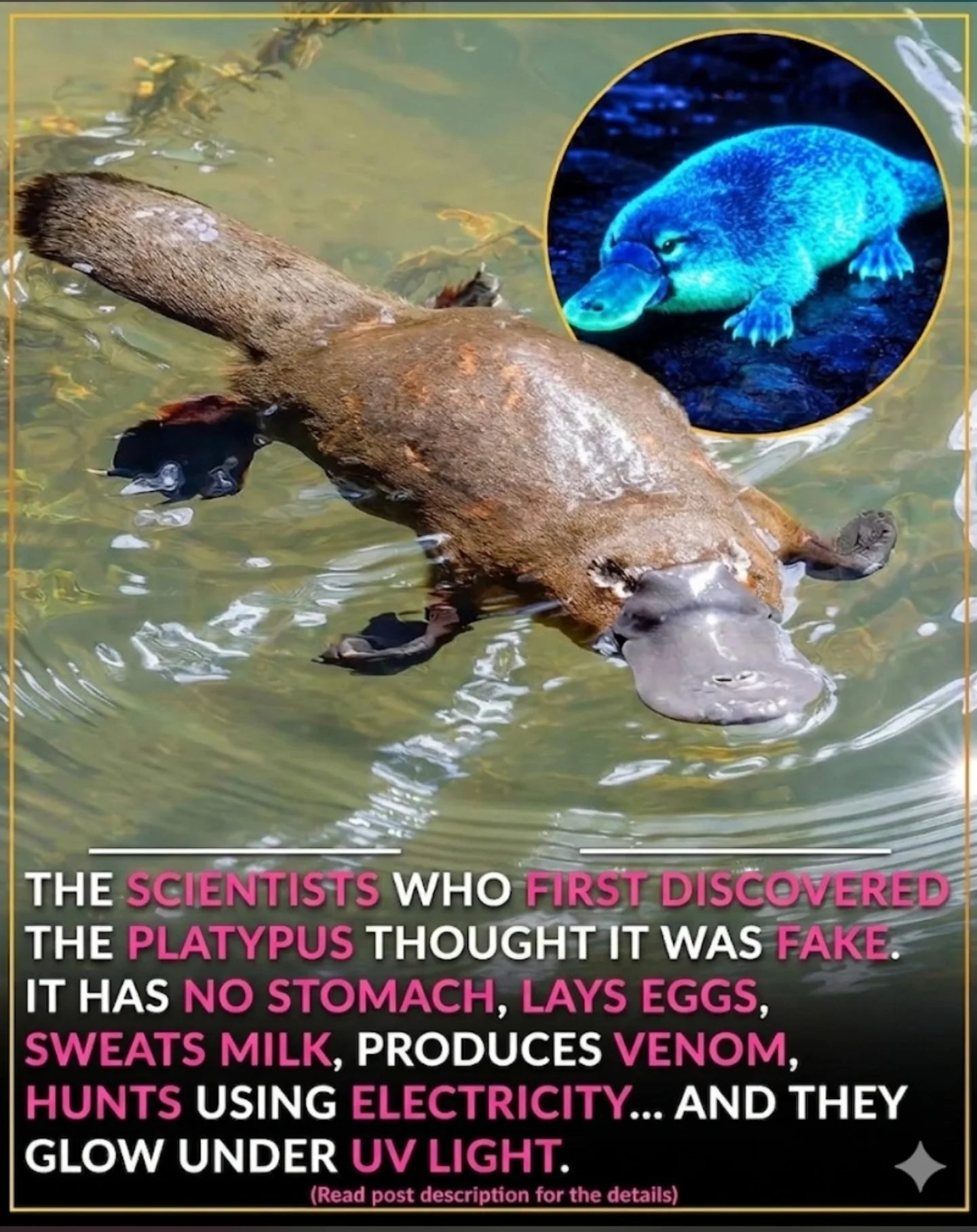
Platypus: Unique Features and Fascinating Traits
Platypuses (Ornithorhynchus anatinus) are remarkable creatures that defy many of the typical traits found in mammals. Endemic to eastern Australia, these semi-aquatic animals possess a unique combination of features that have baffled scientists for centuries. From their peculiar physical traits to their extraordinary hunting and defense mechanisms, platypuses are truly one of nature's most intriguing marvels.
Why This Matters
Understanding the platypus provides valuable insights into the diverse world of mammals. Their unique characteristics challenge conventional biological categorizations and offer a glimpse into the incredible adaptations that have evolved over millions of years. Studying platypuses can also shed light on the broader field of mammalogy and the interconnectedness of different species.
Historical Skepticism and Discovery
When European naturalists first encountered the platypus in 1799, they were astounded by its unusual appearance. The combination of a duck-like bill, beaver-like tail, and otter-like feet led many to believe it was a hoax or a fabricated specimen. This skepticism highlights just how extraordinary the platypus looks and how it defies typical mammalian traits. It wasn’t until the early 19th century that scientists began to accept the platypus as a legitimate species, marking a significant milestone in the study of mammals.
Anatomical and Reproductive Traits
Unique Digestive System
One of the most striking features of the platypus is its digestive system. Unlike most mammals, platypuses do not possess a functional, acid-secreting stomach. Instead, they route food directly from the esophagus to the intestines, where digestion takes place. This adaptation allows them to efficiently process their diet, which primarily consists of invertebrates and worms found in the water.
Egg-Laying Mammals (Monotremes)
Another unique trait is their reproductive system. Platypuses are monotremes, one of the few mammals that lay eggs rather than giving birth to live young. This reproductive strategy sets them apart from most other mammals, placing them in a category with only a few other species, such as the echidna. After laying eggs, the female platypus incubates them in a burrow until they hatch. Once hatched, the young platypuses, known as puggles, are nursed with milk. However, female platypuses lack teats; instead, they secrete milk through specialized sweat glands onto their skin, which the puggles lap up.
Defensive and Hunting Adaptations
Venomous Defense
Male platypuses possess a unique defensive mechanism: hind-leg spurs capable of delivering a highly painful venom. These spurs are primarily used during competitive breeding seasons when males fight for access to females. The venom can cause significant discomfort and is one of the most potent of any venomous mammal. While not typically lethal to humans, the venom can cause severe pain and swelling.
Electrolocation
For hunting, platypuses rely on a sophisticated system of electrolocation. Their duck-like bills are equipped with specialized receptors that can detect the faint electrical impulses generated by the muscular contractions of their prey. This ability allows them to hunt effectively in the murky waters of their habitats, where visibility is often poor. By using electrolocation, platypuses can pinpoint the location of their prey with remarkable accuracy, making them efficient predators.
Biofluorescence
One of the most fascinating recent discoveries about platypuses is their biofluorescence. Under ultraviolet (UV) light, their fur exhibits a striking cyan-to-green glow. This phenomenon, known as biofluorescence, occurs when the platypus's fur absorbs UV wavelengths and re-emits them as visible light. While the exact evolutionary or ecological purpose of this trait remains a subject of ongoing scientific study, it adds another layer of intrigue to these already remarkable creatures.
Practical Tips for Observing Platypuses
Observing platypuses in the wild or in a controlled environment can be a rewarding experience. Here are some practical tips to ensure a safe and enjoyable encounter:
- Respect Their Environment: Platypuses are delicate animals that require specific environmental conditions. If you observe them in the wild, keep a respectful distance and avoid disturbing their habitats. This includes not disturbing their burrows or feeding areas.
- Use Specialized Equipment: For a closer look, consider using binoculars or a spotting scope. These tools allow you to observe the platypus from a distance without disturbing its natural behavior. If you are visiting a zoo or wildlife sanctuary, follow the guidelines provided by the staff to ensure the well-being of the animals.
- Photographic Opportunities: If you plan to take photographs, ensure that you use a camera with a good zoom lens to capture detailed images without getting too close. It’s also a good idea to check if the platypus is comfortable with the presence of people and equipment.
Important Takeaways
Platypuses are a testament to the incredible diversity and complexity of the natural world. Their unique combination of features, from their bizarre appearance to their unusual reproductive and digestive systems, make them a subject of fascination for scientists and nature enthusiasts alike. Understanding these remarkable creatures provides valuable insights into the broader field of mammalogy and offers a glimpse into the evolutionary adaptations that have shaped life on Earth.
Conclusion
The platypus stands as one of the most enigmatic and captivating animals in the natural world. From their unique anatomy to their sophisticated hunting and defensive mechanisms, these semi-aquatic mammals continue to capture the imagination of scientists and nature lovers. By appreciating the complexity and wonder of the platypus, we gain a deeper understanding of the incredible diversity and adaptability of life on Earth.
Watch the Reel
Questions readers ask
What makes the platypus unique among mammals?
The platypus stands out due to its distinctive physical features, including a duck-like bill, beaver-like tail, and otter-like feet. These traits are unusual for mammals, making the platypus a subject of fascination and study. Additionally, it is one of the few mammals that lay eggs instead of giving birth to live young.
Where can platypuses be found in the wild?
Platypuses are native to eastern Australia. They are typically found in freshwater streams and rivers, where they build their burrows in the banks. Their habitat preferences make them well-adapted to their semi-aquatic lifestyle.
How do platypuses care for their young?
After laying their eggs, platypus mothers incubate them in a burrow for about 10 days. Once hatched, the young platypuses, known as puggles, are fed milk secreted from the mother's skin, as platypuses lack teats. The mother continues to care for her puggles until they are old enough to survive on their own, about 4 months after hatching.
Are platypuses venomous?
Male platypuses are one of the few venomous mammals. They have a spur on their hind foot that can deliver a painful sting, which is used for defense and during male-male combat. The venom is produced from a gland in the male platypus's leg.
How do platypuses hunt and what do they eat?
Platypuses have a unique hunting method. They use specialized receptors in their bill to detect the electric fields generated by the muscle contractions of their prey, such as shrimp or worms. This electromagnetic sense, along with their keen eyesight, helps them to locate and capture their food efficiently.
Why do platypuses have light-sensitive eyes?
Platypuses have a unique adaptation in their eyes that allows them to detect light in their underwater environment. This sensitivity helps them navigate through murky water and locate their prey effectively. Their eyes, combined with their electroreception, make them formidable hunters in their aquatic habitat.
Do platypuses have any notable physical adaptations besides their bill and tail?
Yes, platypuses have several other notable adaptations. Their webbed feet are perfect for swimming, and their dense fur provides insulation in both water and air. Additionally, they have a unique bone structure in their bill that allows them to close their nostrils and ears while hunting underwater. This makes them a unique and highly adapted species.
Related deep dives
Similar reads based on topic and creator.


Recent articles
Fresh deep dives from the latest Reels we unpacked.


Comments
Be the first to comment.