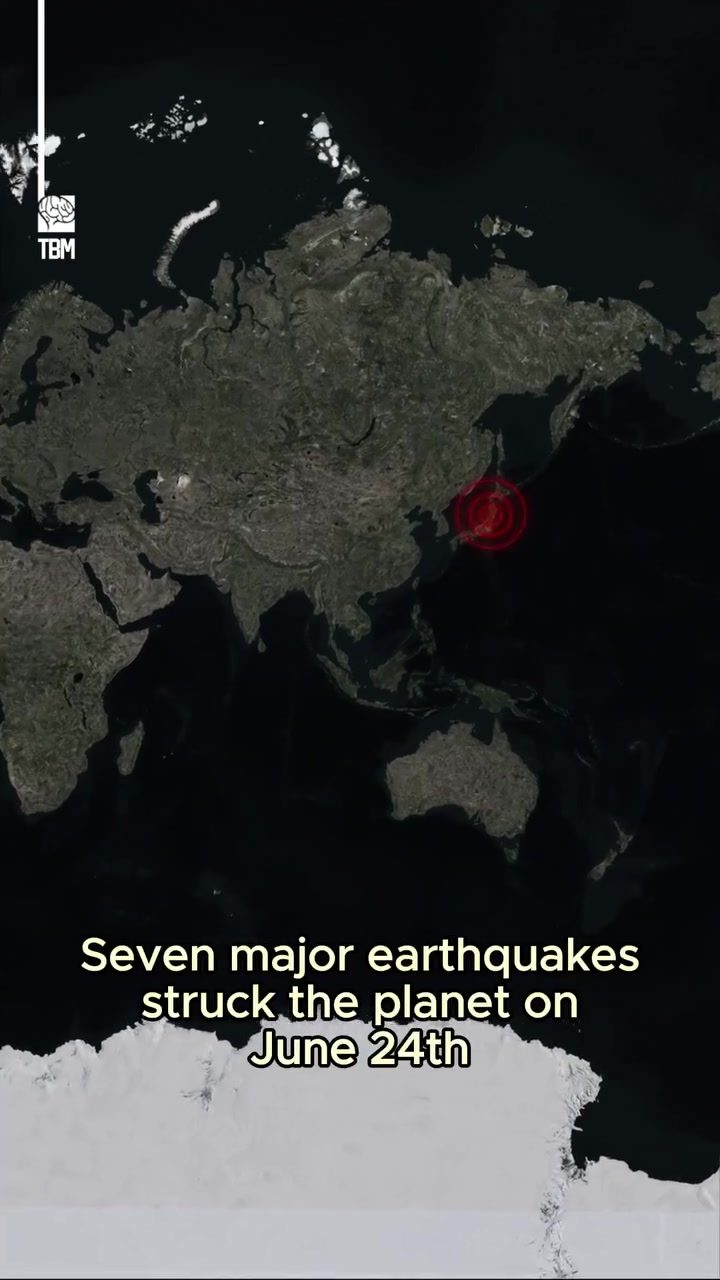
Earthquake Activity Across the Planet
Earthquakes are a natural and recurring phenomenon that can have devastating consequences. Recently, the globe experienced a notable surge in seismic activity when seven major earthquakes struck across different regions in just two days. These earthquakes shook Venezuela, Japan, and the United States, leaving scientists and the public alike with questions about the triggers and connections between these events. The focus here is on understanding the patterns, causes, and impacts of these recent earthquakes.
Context: Why This Matters
The recent spate of earthquakes serves as a reminder of the dynamic nature of our planet. Understanding the causes and effects of these seismic activities is crucial for several reasons. Firstly, it helps in the development of better preparedness and response strategies for future events. Secondly, it aids in the improvement of infrastructure and building codes to withstand seismic activity. Lastly, it contributes to our broader comprehension of the Earth's geological processes.
Main Discussion
The Recent Earthquakes
The recent earthquakes, which occurred on June 24th and 25th, were part of a rare global cluster of seismic events. These events included more than 1,351 recorded quakes of varying magnitudes, highlighting the widespread nature of this activity. Among these, Venezuela suffered the most significant impact. Twin earthquakes measuring 7.2 and 7.5 on the Richter scale caused at least 235 confirmed deaths and widespread destruction, marking the strongest seismic activity in the region in over a century. This event also triggered emergency response measures, underscoring the severity of the impact.
Geographical Impact
The earthquakes were not limited to South America. Japan also experienced a magnitude 6.9 earthquake, which further emphasized the global scale of these events. In the United States, a 5.6 magnitude quake hit near Willits, California, marking the strongest tremor in the area since 1940. This event, along with others, underscored the unpredictable nature of seismic activity and its potential to affect diverse geographical locations.
Understanding the Causes
Scientists attribute this spike in seismic activity to the constant movement of tectonic plates. These plates, which make up the Earth's crust, are in continuous motion. Stress accumulates along fault lines until it is suddenly released, resulting in earthquakes. This natural process explains why earthquakes can occur in clusters and why they can have varying magnitudes and impacts.
The Role of Monitoring and Research
The global monitoring of seismic activity is ongoing, with continuous surveillance helping to track aftershocks and regional connections. This systematic approach allows experts to better understand the patterns and triggers behind these events. Additionally, the monitoring helps in providing timely alerts and response measures, which are crucial for mitigating the impact of future earthquakes.
Practical Tips
While earthquakes are natural phenomena that cannot be prevented, there are several practical steps individuals and communities can take to enhance preparedness and response:
Preparing for Earthquakes
- Know Your Risk: Understand the seismic history of your area. Knowing the likelihood and potential impact of earthquakes can help in better preparation.
- Secure Your Home: Ensure that heavy furniture and appliances are securely fastened to the walls. This can prevent them from toppling over during an earthquake.
- Emergency Kit: Maintain an emergency kit that includes essentials such as water, food, a first-aid kit, a flashlight, and important documents.
- Know the Safety Drills: Familiarize yourself with the 'Drop, Cover, and Hold On' drill. During an earthquake, drop to your hands and knees, cover your head and neck with your arms, and hold on to a sturdy piece of furniture until the shaking stops.
During an Earthquake
- Stay Calm: Panic can lead to poor decision-making. Staying calm during an earthquake can help you respond more effectively.
- Find a Safe Spot: If you are indoors, find a sturdy table or desk and get under it. If you are outdoors, stay away from buildings, power lines, and trees.
- Avoid Elevators: If you are in a building, do not use elevators. Use the stairs to evacuate if necessary.
After an Earthquake
- Check for Injuries: Assess yourself and others for injuries and provide first aid if necessary.
- Inspect Your Home: Check for structural damage and gas leaks. If you smell gas, open windows and leave the building immediately.
- Stay Informed: Listen to local news and authorities for updates and instructions.
Important Takeaways
The recent surge in earthquake activity highlights the dynamic nature of our planet and the importance of preparedness. Key points to remember include the varying impacts of earthquakes across different regions, the role of tectonic plate movement in triggering these events, and the critical role of continuous monitoring and research. Additionally, understanding the causes and patterns of earthquakes can aid in the development of better preparedness and response strategies.
Conclusion
The recent earthquake activity across Venezuela, Japan, and the United States serves as a stark reminder of the planet's dynamic and often unpredictable geological processes. By understanding the causes and impacts of these events, we can better prepare and respond to future seismic activity. Whether through improved infrastructure, better emergency response measures, or individual preparedness, the goal is to minimize the impact of these natural phenomena on human life and infrastructure.
Watch the Reel
Related deep dives
Similar reads based on topic and creator.




Recent articles
Fresh deep dives from the latest Reels we unpacked.




Comments
Be the first to comment.