Selfies and Personality Traits
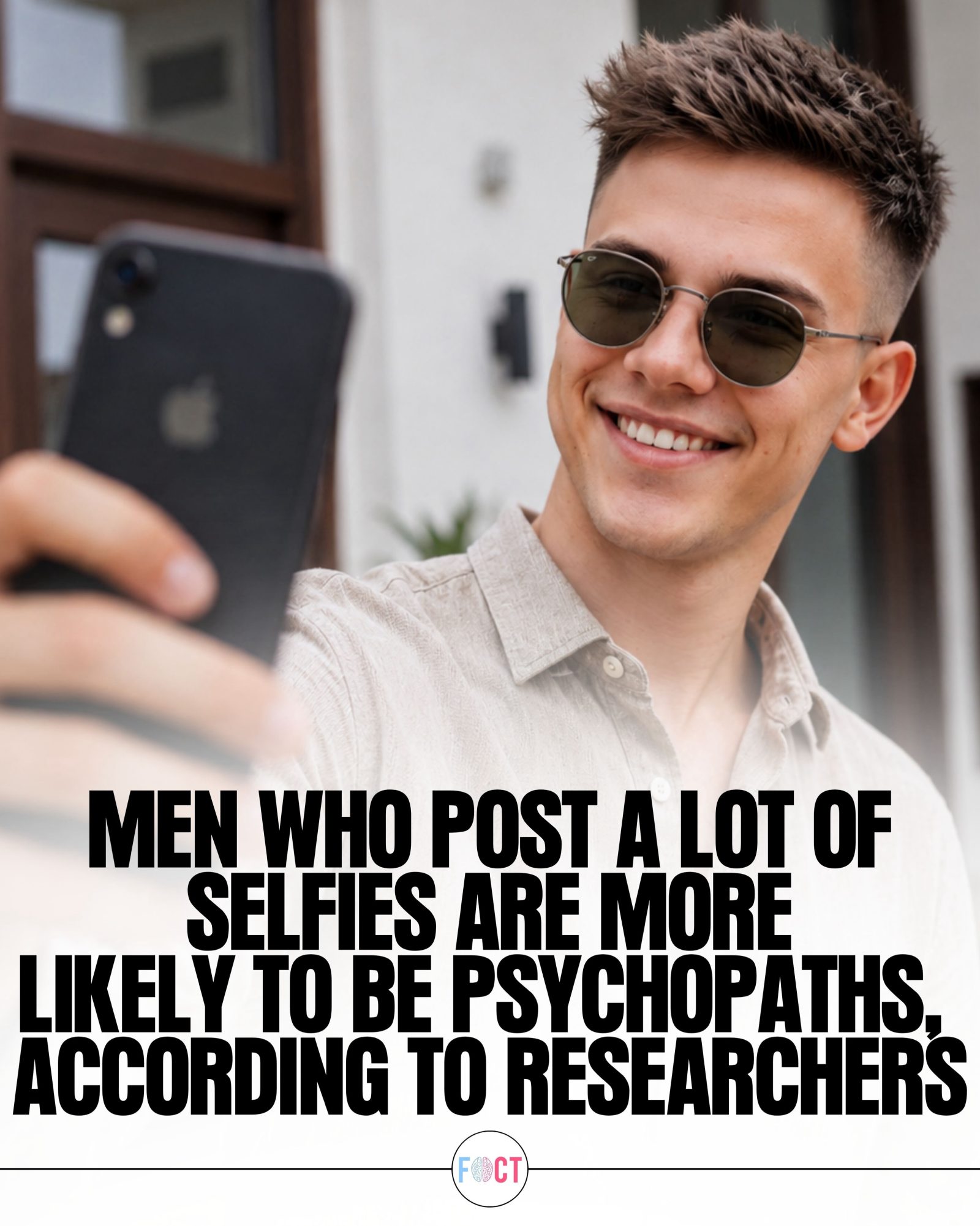
Selfies have become an everyday part of social media, offering a glimpse into people’s lives. But can they also reveal deeper traits? A study involving 800 men has sparked intrigue by suggesting a link between frequent selfie posting and traits associated with narcissism and psychopathy.
Why This Matters
In today's digital age, understanding the implications of our online behaviors is more important than ever. The idea that taking and sharing selfies might be connected to certain psychological traits raises questions about how we present ourselves online and what that might say about us. The findings are not definitive, but they do invite us to consider the potential underlying motivations behind our social media habits.
The Study and Its Findings
The Study's Parameters
The study analyzed a group of 800 men, focusing on their selfie-posting frequency and the time spent editing these photos. The key findings revolved around two main points: the correlation between selfie-sharing and traits like narcissism and psychopathy, and the link between excessive editing and higher levels of self-objectification.
The Correlation Between Selfies and Psychological Traits
The study found that men who frequently shared selfies on social media platforms tended to score higher on tests for narcissism and psychopathy. This correlation suggests that those who post selfies more often might exhibit traits commonly associated with these conditions. However, it’s crucial to emphasize that this is a statistical association, not a definitive cause-and-effect relationship.
Editing Selfies and Self-Objectification
Another intriguing finding was that men who spent a considerable amount of time editing their selfies before posting showed higher levels of self-objectification and narcissism. This suggests that the act of meticulously crafting one's image for social media consumption might be linked to a deeper psychological need for validation or admiration.
Context and Considerations
The Limitations of the Study
While the study provides interesting insights, it's essential to recognize its limitations. Firstly, the sample size (800 men) is significant but not exhaustive. The study also only included men, which means the findings may not be universally applicable to all genders. Additionally, the study only found a statistical association, not a causal relationship. This means that while there is a correlation, it doesn’t prove that one directly causes the other.
Moderation and Positive Traits
It’s also worth noting that the study acknowledges that moderate levels of confidence and self-focus can sometimes enhance one’s attractiveness and social appeal. This suggests that there’s a balance to be struck, and that selfie posting, when done in moderation, can be a fun and innocuous way to share moments.
Public Perception and Interpretations
The public reaction to such studies can vary widely. Some might view selfie posting as a harmless form of self-expression, while others might be more concerned about the potential psychological implications. The key takeaway is to approach the topic with nuance, understanding that while there may be some correlations, they don't necessarily define the behavior or the individual.
Practical Tips
Balancing Self-Expression
If you enjoy taking and sharing selfies, it’s important to do so in a way that feels authentic and comfortable for you. Consider why you are posting and how it makes you feel. If it brings you joy and doesn't negatively impact your self-image, then it can be a positive form of self-expression.
Understanding Motivations
Pay attention to your motivations. If you find yourself spending excessive amounts of time editing or posting selfies, it might be worth reflecting on why that is. Understanding your underlying motivations can help you maintain a healthy balance between self-expression and self-awareness.
Engaging with Others
Remember that social media should be a place for connection and enjoyment. Engaging with others in a positive way, whether through selfies or other forms of content, can enhance your overall social media experience.
Important Takeaways
The Importance of Context
When interpreting studies like this, it’s crucial to consider the context. While the findings are intriguing, they don’t provide a complete picture. There are many factors that can influence behavior and personality traits, and selfie posting is just one small piece of the puzzle.
Moderation is Key
Moderation is key in many aspects of life, and social media is no exception. Balancing self-expression with self-awareness can help ensure that your online presence remains healthy and positive.
Personal Reflections
Reflect on your own selfie habits. Consider why you post selfies, how it makes you feel, and what it means to you. Such reflections can provide valuable insights into your motivations and help you maintain a healthy relationship with social media.
Conclusion
Selfies have become a ubiquitous part of social media, and while they can be a fun way to share moments, it’s important to consider the potential psychological implications. The study on 800 men suggests a possible link between frequent selfie posting and traits like narcissism and psychopathy, but it’s essential to approach this information with nuance. Understanding your motivations, maintaining a healthy balance, and engaging positively with others can help ensure that your selfie habits remain a positive part of your social media experience.
Watch the Reel
Questions readers ask
How does frequent selfie posting relate to narcissistic traits, particularly in men?
Frequent selfie posting, especially among men, has been linked to traits associated with narcissism. This means that individuals who post selfies often may exhibit behaviors such as excessive self-admiration, a need for constant attention, and a lack of empathy, which are common characteristics of narcissism. The study involving 800 men highlighted this connection, suggesting that selfies might serve as a form of self-promotion for those with narcissistic tendencies.
What is the connection between selfie editing and personality traits?
The more time spent editing selfies, the stronger the association with narcissistic and psychopathic traits. This is because extensive editing can indicate a preoccupation with one's appearance and a desire to present a highly idealized image, which aligns with the focus on self-image and manipulation often seen in individuals with these traits.
Can selfie posting be a sign of psychopathic tendencies?
Yes, studies have suggested that frequent selfie posting, particularly when combined with excessive editing, can be indicative of psychopathic traits. Individuals with psychopathic tendencies may use selfies as a tool to manipulate and control their online image, seeking to impress and influence others. This behavior aligns with the manipulative and self-serving nature of psychopathy.
Why might selfies reveal more about men's personalities than women's?
The study primarily focused on men and found a stronger correlation between frequent selfie posting and narcissistic or psychopathic traits in this group. This could be due to societal expectations and gender roles, where men might feel more pressure to present a certain image or maintain a strong, confident appearance, leading to more self-centered behavior in their online presence.
How does the amount of time spent on selfies impact psychological insights?
The time spent on selfies, particularly the editing process, can provide significant psychological insights. More time spent on selfies and their editing suggests a deeper engagement with one's self-image, which can be linked to underlying narcissistic or psychopathic traits. This behavior might indicate a heightened focus on self-absorption and a desire for validation from others.
Related deep dives
Similar reads based on topic and creator.



Recent articles
Fresh deep dives from the latest Reels we unpacked.




Comments
Be the first to comment.