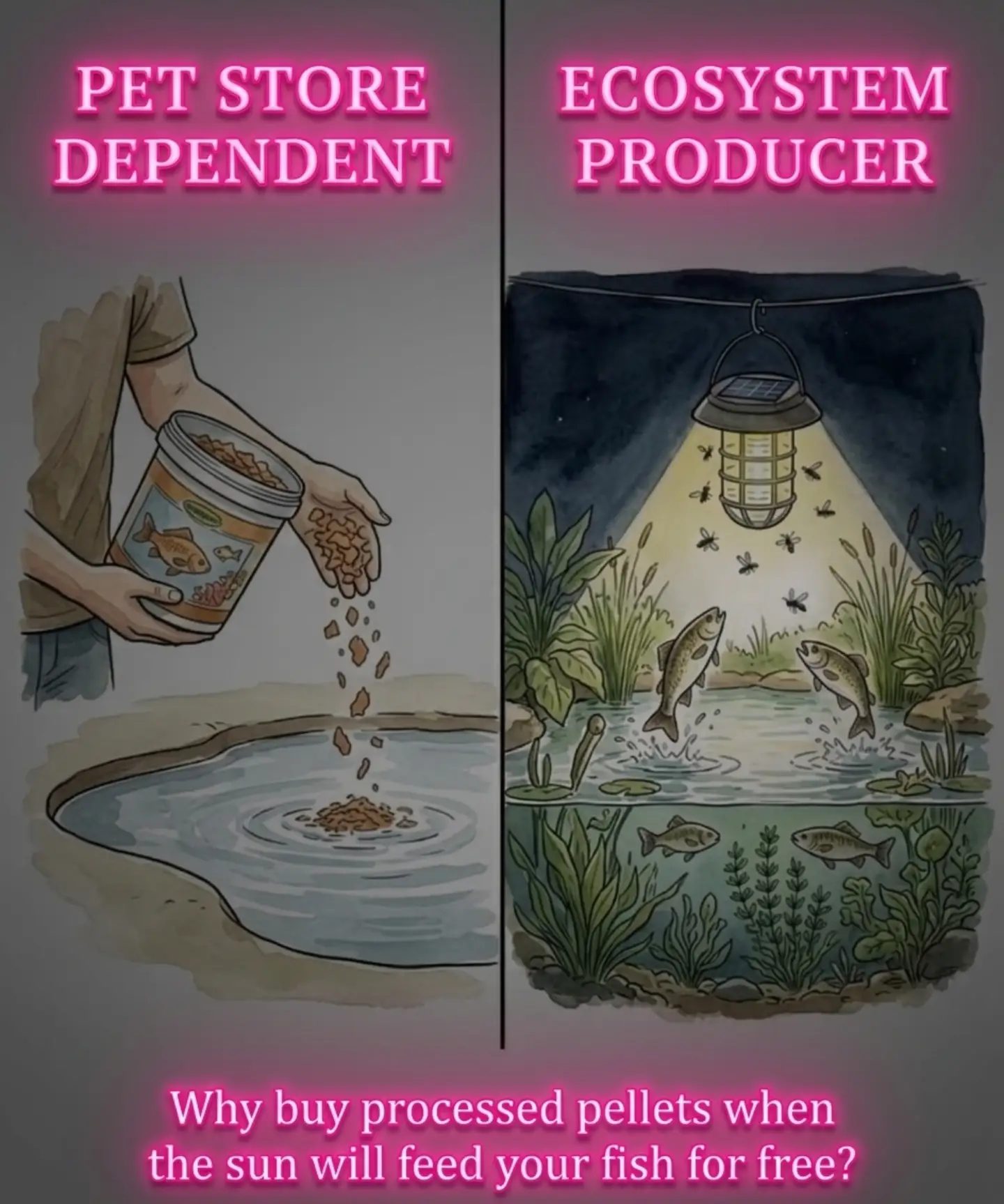
Creating a Self-Sustaining Aquarium Ecosystem
The idea of a self-sustaining aquarium ecosystem is intriguing, especially when compared to the traditional method of buying processed fish pellets. This approach not only reduces the ongoing costs and environmental impact but also creates a more natural and balanced environment for your fish. Let’s dive into the benefits and practical steps of creating such an ecosystem.
Context / Why This Matters
Maintaining an aquarium can be a rewarding hobby, but it often comes with the hassle of frequent trips to the pet store to purchase fish food and the associated costs. Moreover, relying on processed pellets can lead to additional issues, such as water quality problems due to uneaten food and the need for more frequent water changes and filter cleanings. This is why exploring a more sustainable approach to aquarium care is essential.
Building a Sustainable Aquarium Ecosystem
The Benefits of a Self-Sustaining Aquarium
A self-sustaining aquarium ecosystem can provide numerous benefits. For starters, it significantly reduces the need for processed fish pellets, which can be costly and environmentally taxing to produce. By leveraging natural food sources, you can create a more balanced and healthy environment for your fish. This approach also minimizes waste, as the ecosystem will naturally recycle nutrients, reducing the need for frequent water changes and filter cleanups.
Key Components of a Sustainable Aquarium
Creating a self-sustaining aquarium involves several key components:
-
Plants: Aquatic plants play a crucial role in any self-sustaining aquarium. They help to oxygenate the water, provide hiding places for fish, and serve as a natural food source for some species. Plants also help to filter out harmful nitrates and other toxins from the water, contributing to a healthier environment.
-
Insects and Other Creatures: Introducing insects and other small creatures into the aquarium can provide a natural food source for your fish. This approach can be particularly beneficial for fish that are primarily carnivorous.
-
Lighting: Proper lighting is essential for the health of your aquarium plants and the overall ecosystem. Sunlight is ideal, but if that’s not an option, a simple solar light or LED lighting can provide the necessary illumination. Solar lights can also attract insects at night, offering an additional food source for fish.
-
Filtration: While a self-sustaining ecosystem reduces the need for filtration, it’s still important to have some level of mechanical and biological filtration in place. This helps to maintain water quality and prevent the buildup of harmful substances.
Practical Steps to Create a Self-Sustaining Aquarium
Creating a self-sustaining aquarium requires careful planning and the right combination of elements. Here are some practical steps to get you started:
-
Choose the Right Tank: Start with a tank that is large enough to support a diverse ecosystem. A larger tank will provide more space for plants and other creatures, making it easier to maintain balance.
-
Select Appropriate Plants: Research and choose plants that are suitable for your specific type of fish and water conditions. Some popular options include Java fern, Anubias, and Hornwort.
-
Introduce Beneficial Creatures: Insects, snails, and other small creatures can help to maintain the ecosystem. Be cautious when introducing new species, as some may not be compatible with your fish or could disrupt the balance.
-
Install Lighting: Set up a lighting system that provides the right amount of light for your plants. Natural sunlight is best, but if that’s not possible, a solar light or LED system can work well.
-
Monitor Water Quality: Regularly test the water quality to ensure that it remains within the appropriate parameters for your fish. This includes checking pH levels, ammonia, nitrite, and nitrate levels.
Practical Tips
Choosing the Right Plants
- Java Fern: This hardy plant is easy to care for and can thrive in a variety of water conditions. It provides excellent cover for fish and helps to oxygenate the water.
- Anubias: Another low-maintenance option, Anubias is known for its broad, glossy leaves and can survive in low-light conditions.
- Hornwort: This fast-growing plant is ideal for aquariums with a variety of fish, as it provides dense cover and helps to filter out harmful substances from the water.
Introducing Beneficial Creatures
- Small Insects: Insects like mosquito larvae, water fleas, and daphnia can provide a natural food source for your fish. These creatures can be introduced naturally through the use of a solar light that attracts them to the surface.
- Snails: Snails can help to keep the aquarium clean by feeding on algae and leftover food. Be sure to choose a species that is compatible with your fish and won’t overrun the tank.
Maintaining the Ecosystem
- Regular Testing: Use a water test kit to regularly monitor the water quality. This will help you catch any imbalances early and make necessary adjustments.
- Partial Water Changes: Even in a self-sustaining ecosystem, it’s a good idea to perform partial water changes every few weeks to maintain water quality.
- Maintenance Routine: Create a maintenance routine that includes checking the health of your plants, creatures, and fish. Regularly clean the tank and ensure that all components are functioning properly.
Important Takeaways
Creating a self-sustaining aquarium ecosystem can be a rewarding experience that benefits both you and your fish. By leveraging natural food sources, reducing the need for processed pellets, and maintaining a balanced environment, you can create a healthier and more cost-effective aquarium. Remember to choose the right plants, introduce beneficial creatures, and monitor water quality regularly.
Conclusion
A self-sustaining aquarium ecosystem offers a natural and sustainable approach to aquarium care. By working with nature, rather than against it, you can create a thriving environment for your fish that is both cost-effective and environmentally friendly. While it requires some initial setup and ongoing maintenance, the benefits of a self-sustaining ecosystem far outweigh the costs, making it a worthwhile investment for any aquarium enthusiast.
Watch the Reel
Questions readers ask
What are the key benefits of a self-sustaining aquarium?
A self-sustaining aquarium offers several benefits. It reduces the need for processed fish food, lowering costs and minimizing waste. It also creates a more natural environment for fish, which can lead to healthier fish and a more balanced ecosystem. Additionally, it lessens the frequency of maintenance tasks like water changes.
What types of natural fish food can I use in a self-sustaining aquarium?
Natural fish food in a self-sustaining aquarium can include live plants, algae, and small insects or invertebrates like shrimp or daphnia. These organisms provide a varied and nutritious diet for your fish, mimicking their natural feeding habits.
How do I start creating a self-sustaining aquarium ecosystem?
To start, choose the right aquarium size and stock it with a variety of compatible fish species. Include plenty of live plants to oxygenate the water and provide hiding spots. Introduce small aquarium insects and other critters to serve as a natural food source. Monitor water quality regularly to ensure a healthy environment.
Can I convert my existing aquarium into a self-sustaining one?
Yes, you can convert your existing aquarium into a self-sustaining one. Start by removing any processed fish food and gradually introduce live plants and natural food sources. Monitor your fish to ensure they are adapting well to the new diet, and make adjustments as needed. It may take time for the ecosystem to balance, so patience is key.
What are the main challenges of maintaining a self-sustaining aquarium?
The main challenges include ensuring a balanced ecosystem, preventing overpopulation of certain species, and maintaining water quality. Regular monitoring and adjustments are necessary. Additionally, some fish may require supplementary feeding during the initial transition period.
How does a self-sustaining aquarium impact the environment?
A self-sustaining aquarium reduces the need for processed fish food, which can lower the environmental impact of fish food processing. It also decreases the amount of aquarium waste, as natural food sources are consumed more efficiently. This can lead to less pollution and a smaller carbon footprint from reduced maintenance activities, such as water changes.
What should I do if my fish aren’t eating the natural food sources?
If your fish aren’t eating the natural food sources, try gradually introducing the new food. Supplement with small amounts of processed food while the fish adapt. Ensure there is enough plant growth and other food sources. If the problem persists, consider consulting with an aquarium specialist to identify any underlying issues.
Recent articles
Fresh deep dives from the latest Reels we unpacked.




Comments
Be the first to comment.