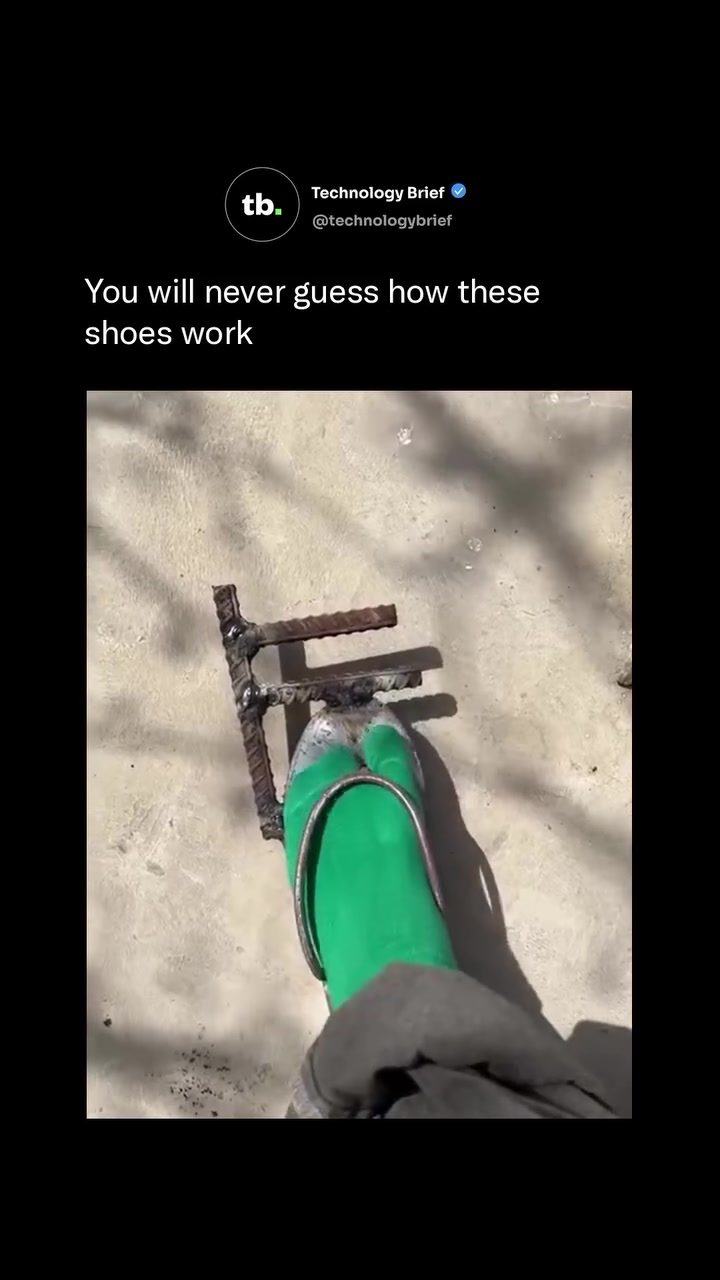
Pole Climbing Spikes: Essential Tools for Utility Linemen and Arborists
Pole climbing spikes, also known as gaffs, are specialized metal devices used by utility linemen and arborists to ascend utility poles, trees, and other structures. These tools have been in use for over a century and are crucial for professionals who need to perform tasks at heights. The metal devices strap to the lower leg and foot, with a sharp steel spike that digs into the pole or tree on each step, allowing the climber to ascend smoothly.
Why Pole Climbing Spikes Matter
Utility linemen and arborists rely on pole climbing spikes for their safety and efficiency. These devices enable workers to ascend structures quickly and securely, making them indispensable for a variety of tasks, from repairing power lines to pruning trees. Understanding the design, function, and proper use of these tools is essential for anyone in these professions.
Types of Pole Climbing Spikes
Commercial versions of pole climbing spikes are typically made from sturdy materials like steel or aluminum. These are designed to handle loads up to around 100 kg, ensuring durability and reliability. However, homemade versions are also common, especially in regions where commercial products may be hard to access. These homemade builds often feature welded metal plates and rebar-style prongs, which can be effective for gripping smooth metal surfaces.
The Mechanics of Pole Climbing
Pole climbing with spikes involves a technique similar to climbing a ladder, but with the added challenge of gripping a smooth, often slippery surface. The gaff on the spike digs into the pole on each step, providing the necessary grip. For metal poles, which are harder to climb than wooden ones, the gaff cannot bite into the surface as effectively. This is where the design and construction of the climbing spikes become crucial. Workers in some regions improvise their own designs, focusing on creating something that grips and holds firmly, even if it means trading off polished construction for practicality.
Climbing Techniques
Climbing with spikes requires a specific technique:
- Positioning the Gaff: Proper positioning of the gaff is essential. It should be placed securely against the pole to ensure a firm grip.
- Steady Steps: Climbers alternate feet, taking steady steps to maintain balance and control. The upward motion resembles climbing a ladder, but with the added challenge of ensuring the spike grips the pole securely with each step.
- Safety Measures: Safety measures include wearing appropriate protective gear, ensuring the spikes are in good condition, and being mindful of the load they are designed to handle. Utility linemen typically carry additional equipment like harnesses and ropes for added safety.
Practical Tips for Using Pole Climbing Spikes
Choosing the Right Spikes
When selecting pole climbing spikes, consider the following factors:
- Material and Build Quality: Choose spikes made from durable materials like steel or aluminum. These are designed to handle loads effectively and ensure longevity.
- Gaff Design: The design of the gaff is crucial. It should be sharp and sturdy enough to grip the surface of the pole or tree securely.
- Comfort and Fit: Ensure the spikes fit comfortably around your leg and foot. Ill-fitting spikes can cause discomfort and affect your climbing performance.
Maintaining Your Spikes
Regular maintenance is key to keeping your pole climbing spikes in good condition:
- Inspection: Regularly inspect your spikes for any signs of wear or damage. Look for cracks, dull gaffs, or loose straps.
- Cleaning: Keep your spikes clean and free from dirt and debris. This ensures they grip the pole or tree effectively and prevents unnecessary wear.
- Sharpness: Ensure the gaff remains sharp. Dull spikes can slip, compromising your safety. Regular sharpening may be necessary.
Climbing Safety
Safety should always be your top priority when using pole climbing spikes:
- Protective Gear: Wear appropriate protective gear, including harnesses, helmets, and gloves.
- Training: Ensure you are properly trained in using pole climbing spikes. Techniques and safety measures are essential for safe climbing.
- Environmental Awareness: Be aware of your surroundings. Watch out for hazards like power lines, unstable structures, or environmental conditions that may affect your climb.
Important Takeaways
Pole climbing spikes are indispensable tools for utility linemen and arborists. They enable professionals to perform tasks at heights safely and efficiently. Whether you are using a commercial version or a homemade design, understanding the mechanics, choosing the right spikes, and maintaining them well are crucial for a successful climb. Always prioritize safety by using protective gear and being aware of your surroundings.
Watch the Reel
Questions readers ask
What are self-balancing shoes and how do they improve pole climbing?
Self-balancing shoes are advanced footwear designed to enhance stability and grip during pole climbing. They improve pole climbing by providing a secure footing, reducing the likelihood of slips and falls, and increasing overall safety and efficiency for utility linemen and arborists. This innovative technology helps climbers maintain better control and balance, making tasks at heights more manageable.
How do self-balancing shoes compare to traditional pole climbing spikes?
Self-balancing shoes and traditional pole climbing spikes both aim to improve safety and efficiency, but they do so in different ways. While traditional spikes, or gaffs, dig into the pole or tree for ascent, self-balancing shoes focus on providing a stable grip and enhanced balance. Self-balancing shoes may offer additional comfort and reduced fatigue, making them a viable alternative for certain climbing tasks.
What are the key benefits of using self-balancing shoes for utility linemen?
Self-balancing shoes offer utility linemen several key benefits, including enhanced stability, reduced risk of falls, and improved efficiency. These shoes provide a secure grip on utility poles, allowing linemen to climb more confidently and perform their duties more effectively. Additionally, the comfort and support offered by self-balancing shoes can help minimize fatigue during long workdays.
Can self-balancing shoes be used in all types of pole climbing scenarios?
Self-balancing shoes are versatile and can be used in many pole climbing scenarios, but their suitability may depend on the specific task and environment. While they excel in providing stability and grip, certain situations may still require the use of traditional spikes, especially when climbing rough or uneven surfaces. It is essential for professionals to assess their needs and choose the appropriate equipment for their tasks.
How do self-balancing shoes contribute to arborist safety and efficiency?
Self-balancing shoes enhance arborist safety by providing a stable and secure grip, reducing the risk of slips and falls. This stability allows arborists to climb trees and poles more confidently, perform tasks more efficiently, and minimize the risk of accidents. The improved balance and control offered by these shoes can also help arborists maintain better footing in challenging conditions, making their work safer and more effective.
What factors should be considered when choosing between self-balancing shoes and traditional pole climbing spikes?
When choosing between self-balancing shoes and traditional pole climbing spikes, consider the specific requirements of the job, the type of surface being climbed, and personal preferences. Traditional spikes may be more suitable for rough or uneven surfaces, while self-balancing shoes offer better stability and comfort for smoother surfaces. Assessing these factors will help ensure the right choice for optimal safety and performance.
Are there any maintenance requirements for self-balancing shoes to ensure their longevity and effectiveness?
To ensure the longevity and effectiveness of self-balancing shoes, regular maintenance is essential. This includes cleaning the shoes after each use, checking for any signs of wear or damage, and replacing worn-out parts as needed. Proper storage and avoiding exposure to extreme temperatures can also help maintain the shoes' performance, ensuring they continue to provide the necessary support and stability for pole climbing tasks.
Recent articles
Fresh deep dives from the latest Reels we unpacked.




Comments
Be the first to comment.