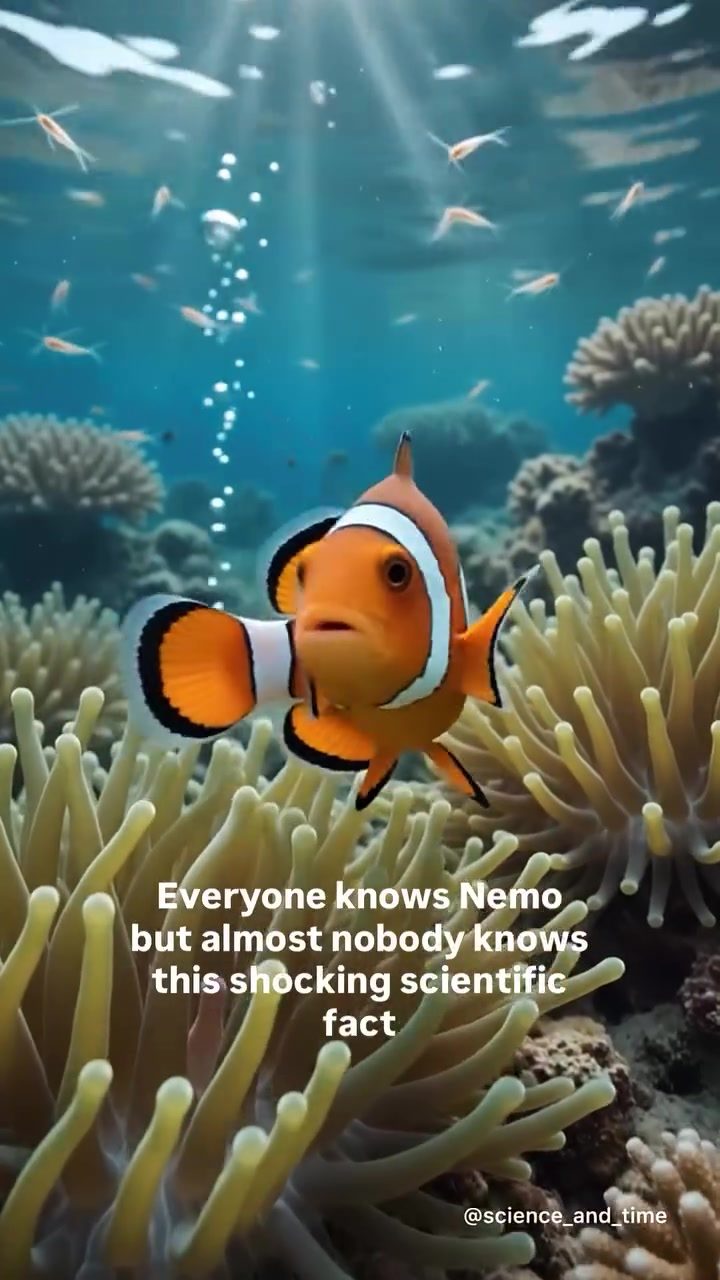
Clownfish Reproduction
Clownfish are fascinating creatures, and their reproductive strategies are among the most intriguing aspects of their biology. Unlike many other animals, clownfish exhibit a unique and complex reproductive system that ensures the survival and continuity of their colonies.
Why This Matters
Understanding the reproductive behaviors of clownfish provides valuable insights into the adaptive strategies of marine life. Their ability to change sex and the structured hierarchy within their colonies offer a window into the intricate social dynamics that drive survival in the ocean.
The Lifecycle and Reproductive Cycle
Every clownfish begins its life as a male, a fact that might surprise many, especially those familiar with the iconic character Nemo from the animated film "Finding Nemo." The smallest clownfish in a colony are indeed male, and they play a crucial role in maintaining the colony's structure and reproductive capabilities.
The Hierarchy and Role of Males
Within each anemone family, the hierarchy is strictly defined. The largest clownfish is the dominant female, responsible for laying eggs. The second largest is the breeding male, who fertilizes the eggs. All other smaller clownfish remain as males, waiting for their chance to advance in the hierarchy.
This waiting period isn't passive; it is a strategic phase where these males prepare for potential leadership. When the dominant female dies or is removed from the colony, the highest-ranking male automatically begins transforming into the new female.
Hormonal Transformation
The transformation from male to female is a remarkable biological process. The moment the dominant female is gone, the breeding male's brain sends powerful hormone signals, initiating a series of changes. Over several weeks, the male gonads gradually transform into ovaries, allowing the new female to take on her reproductive role. This process ensures that the colony maintains its breeding structure without interruption.
Embryo Development
Once the new female is established, she lays hundreds of eggs. The male, who has now reverted to a lower rank, fertilizes these eggs outside her body. Within hours, the embryos begin to grow, and the eggs hatch into tiny larvae. These larvae drift through the ocean, seeking a sea anemone to call home. When they find one, every single larva begins life as a male, continuing the cycle.
Survival Strategies
Clownfish colonies are meticulously organized for survival. The structure ensures that there is always a breeding pair and a supply of future males ready to take over. This system is one of nature’s smartest backup mechanisms. It guarantees that the colony can replenish its numbers and maintain its genetic diversity, even in the face of adversity.
Practical Tips
While clownfish reproduction is a natural process, understanding their habits can be beneficial for those interested in marine conservation or even aquarium keeping. Here are some practical tips:
Maintaining a Healthy Colony
For aquarium enthusiasts, maintaining a healthy clownfish colony involves:
- Providing Suitable Habitat: Ensure that the aquarium has a suitable sea anemone or a similar host.
- Monitoring Hierarchy: Keep an eye on the hierarchy within the colony. If the dominant female is removed or dies, expect the next in line to take her place.
- Adequate Space: Provide enough space for the clownfish to thrive and for the males to wait for their turn.
Important Takeaways
Clownfish reproduction is not just a fascinating subject but also a testament to the adaptability and resilience of marine life. Key takeaways include:
- Sexual Transformation: Every clownfish begins life as a male and can transform into a female if the dominant female is removed.
- Hierarchical Structure: The colony's structure is crucial for its survival, with a clear hierarchy that ensures continuity.
- Egg Fertilization and Embryo Growth: The new female lays eggs, which are fertilized outside her body, and the embryos grow rapidly.
- Larval Drift and Colonization: Larvae drift through the ocean, seeking an anemone to begin their lives as males.
Conclusion
The reproductive strategies of clownfish are not just a fascinating natural phenomenon but also a critical aspect of their survival. Understanding these processes provides a deeper appreciation for the complexity of marine life and the adaptive mechanisms that ensure the continuity of species. Whether you are a marine biologist, an aquarium enthusiast, or simply curious about the wonders of the ocean, the story of clownfish reproduction is a compelling one that highlights the marvels of nature.
Watch the Reel
Questions readers ask
How do clownfish determine their roles in a colony?
Clownfish establish a strict hierarchy based on size, with the largest individual becoming the dominant female and the second-largest transitioning into the breeding male. This system ensures that roles are clearly defined and maintained, allowing for efficient reproductive strategies.
What triggers a male clownfish to change into a female?
When the dominant female in a clownfish colony is removed or passes away, the largest male will undergo a hormonal transformation to become the new dominant female. This change ensures the continuity of the colony's reproductive cycle.
Can a female clownfish revert back to being a male?
No, once a clownfish has changed from male to female, it cannot revert back. The transformation is permanent, and the new female will maintain this role within the hierarchy until it is lost, at which point the next in line will undergo the change.
What is the significance of the size hierarchy in clownfish colonies?
The size hierarchy is crucial for maintaining social order and reproductive efficiency. The largest clownfish becomes the dominant female, and the second-largest becomes the breeding male. This structure allows for a seamless transition when the dominant female is lost.
How does the breeding process work in a clownfish colony?
The breeding process in a clownfish colony involves the dominant female and the breeding male. The dominant female releases eggs, which the male fertilizes. The pair then cares for the eggs until they hatch, ensuring the survival of the offspring.
What happens to the rest of the males in a clownfish colony?
The rest of the males in a clownfish colony remain subordinate and do not participate in breeding. They maintain the colony's social structure and are ready to take on new roles if the dominant female or the breeding male is lost.
Related deep dives
Similar reads based on topic and creator.



Recent articles
Fresh deep dives from the latest Reels we unpacked.




Comments
Be the first to comment.