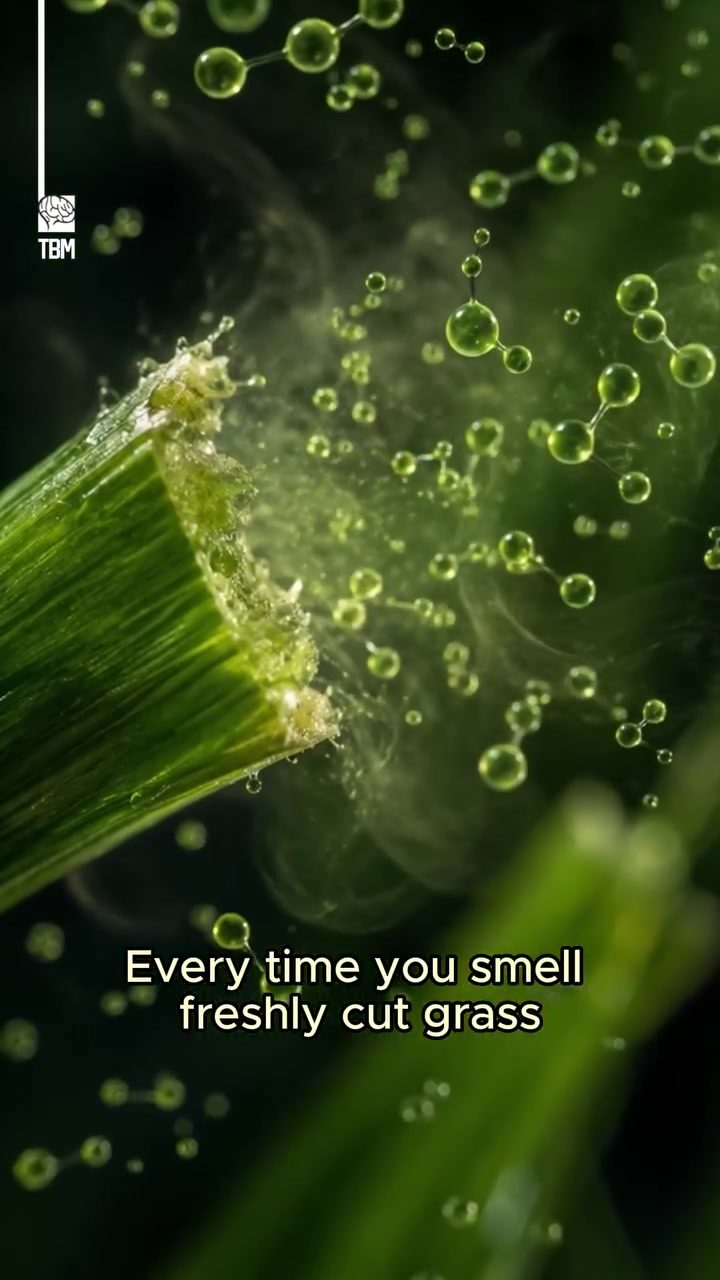
The Science of Freshly Cut Grass Smell
The refreshing aroma of freshly cut grass is a familiar summer scent, but few people realize that this pleasant fragrance is actually a plant's distress signal. The smell is due to chemicals released by the grass, which play a crucial role in its survival and defense mechanisms.
Why This Matters
Understanding the science behind the smell of freshly cut grass provides insight into the complex defense mechanisms plants have developed. These mechanisms help grass survive in various environments and protect against diseases and pests. For those with green thumbs, learning about these natural processes can enhance gardening practices and lawn care. For the curious, it offers a fascinating glimpse into the natural world.
Green Leaf Volatiles
When grass blades are damaged, they release a mix of chemicals known as green leaf volatiles (GLVs). These compounds are part of the plant's sophisticated survival system and serve multiple purposes.
Immediate Defense
Healing: The primary function of these volatiles is to help the grass heal from the injury caused by cutting. They play a role in tissue repair and recovery, ensuring that the grass can quickly resume its normal functions.
Microbe Protection: Additionally, GLVs have antimicrobial properties. They protect the grass from harmful bacteria and fungi that might otherwise infect the damaged areas. This protection is crucial for preventing diseases that could spread and harm the entire plant.
Communication and Warning
One of the most intriguing aspects of green leaf volatiles is their ability to communicate danger to other plants. When grass is cut, the released volatiles act as a warning signal to nearby plants, alerting them to potential threats. This warning allows neighboring plants to activate their own defense mechanisms, such as producing antimicrobial compounds or toughening their cell walls.
Insect Attraction
The scent of freshly cut grass is not just a warning to plants; it also has an effect on insects. Some insects are attracted by the smell of green leaf volatiles, including predators that feed on pests. This attraction helps in biological control, where natural predators are used to manage pest populations without resorting to chemical pesticides.
However, it's important to note that not all insects are beneficial. Some pests are also drawn to the scent and may feed on the damaged grass. This dual attraction highlights the delicate balance in nature, where the same signal can attract both helpful and harmful organisms.
Evolution of Defense Mechanisms
Plants have evolved over millions of years to develop these defense mechanisms. The release of green leaf volatiles is just one example of how plants have adapted to protect themselves against various threats. This natural process ensures the survival of the species and contributes to the overall health of ecosystems.
Long-Term Adaptation
Over time, plants have fine-tuned their responses to different stresses. The ability to release volatiles and communicate with other plants is a result of this long-term adaptation. This complex system helps grass and other plants thrive in diverse environments, from lush meadows to urban landscapes.
Practical Tips
For homeowners and gardeners, understanding the science behind green leaf volatiles can be beneficial in practical ways. Here are some tips:
Lawn Care
Cutting Frequency: Maintain a regular mowing schedule to promote healthy grass growth. Frequent cutting can help stimulate the release of green leaf volatiles, which in turn can help the grass stay healthy.
Proper Height: Avoid cutting the grass too short. Keeping the grass at an optimal height ensures that the plant has enough resources to produce the necessary volatiles and maintain its defense mechanisms.
Avoiding Stress: Minimize additional stressors on the grass, such as excessive foot traffic or drought, to ensure that it remains healthy and robust.
Important Takeaways
Understanding the science behind the smell of freshly cut grass reveals a complex and fascinating world of plant defense mechanisms. Green leaf volatiles play a crucial role in helping grass heal, protecting against microbes, and warning nearby plants of danger. This natural process is part of a sophisticated survival system that has evolved over millions of years.
In addition to the plant's survival, understanding these mechanisms can help in maintaining healthy lawns and gardens. By applying the knowledge of green leaf volatiles, gardeners can improve lawn care practices and promote plant health. The next time you enjoy the smell of freshly cut grass, remember that it's a testament to nature's intricate and efficient defense strategies.
Conclusion
The smell of freshly cut grass is more than just a pleasant summer aroma; it's a natural defense system. Green leaf volatiles released by damaged grass blades help the plant heal, protect against microbes, and communicate danger to neighboring plants. This complex process is a result of millions of years of evolution and adaptation. By understanding and appreciating this natural phenomenon, we can gain deeper insights into the intricate world of plants and their survival strategies.
Watch the Reel
Questions readers ask
What causes the smell of freshly cut grass?
The smell of freshly cut grass is caused by a group of chemicals called green leaf volatiles (GLVs). These compounds are released when the grass blades are cut, acting as a distress signal and a defense mechanism for the plant. The most recognizable of these compounds are cis-3-hexenal and cis-3-hexenol, which give off the classic fresh cut grass aroma.
How do these chemicals help the grass?
The chemicals released by freshly cut grass serve several purposes. They help the grass heal by promoting cell growth and repairing damaged tissue. Additionally, these volatiles act as antimicrobial agents, protecting the plant from infections. They also act as a warning signal to nearby plants, alerting them to potential threats and triggering their own defense mechanisms.
Can other plants benefit from the chemicals released by freshly cut grass?
Yes, neighboring plants can benefit from the chemicals released by freshly cut grass. These signals can help other plants prepare for potential threats by activating their own defense mechanisms. This plant-to-plant communication is a key aspect of how plants interact with their environment and protect themselves from pests and diseases.
Is the smell of freshly cut grass always the same?
The smell of freshly cut grass can vary depending on the type of grass and the environmental conditions. Different species of grass produce slightly different combinations of volatile compounds, leading to variations in the aroma. Additionally, factors such as the time of day and the specific growing conditions can influence the intensity and composition of the scent.
Are there any practical applications of understanding grass volatile compounds?
Understanding grass volatile compounds can have practical applications in agriculture and lawn care. For instance, knowing how these compounds work can help in developing more effective pest control methods. Additionally, this knowledge can contribute to the development of more resilient plant varieties that are better equipped to handle environmental stresses and diseases. For gardeners, it can provide insights into how to maintain healthy lawns and gardens.
Do all plants release volatile compounds when damaged?
Many plants, not just grass, release volatile compounds when damaged. These compounds serve as plant distress signals and can vary in composition and function. Depending on the plant species and the type of damage, these volatiles can attract beneficial insects, deter pests, or even signal neighboring plants to activate their own defenses. This widespread phenomenon highlights the intricate ways in which plants communicate and protect themselves.
Related deep dives
Similar reads based on topic and creator.




Recent articles
Fresh deep dives from the latest Reels we unpacked.




Comments
Be the first to comment.