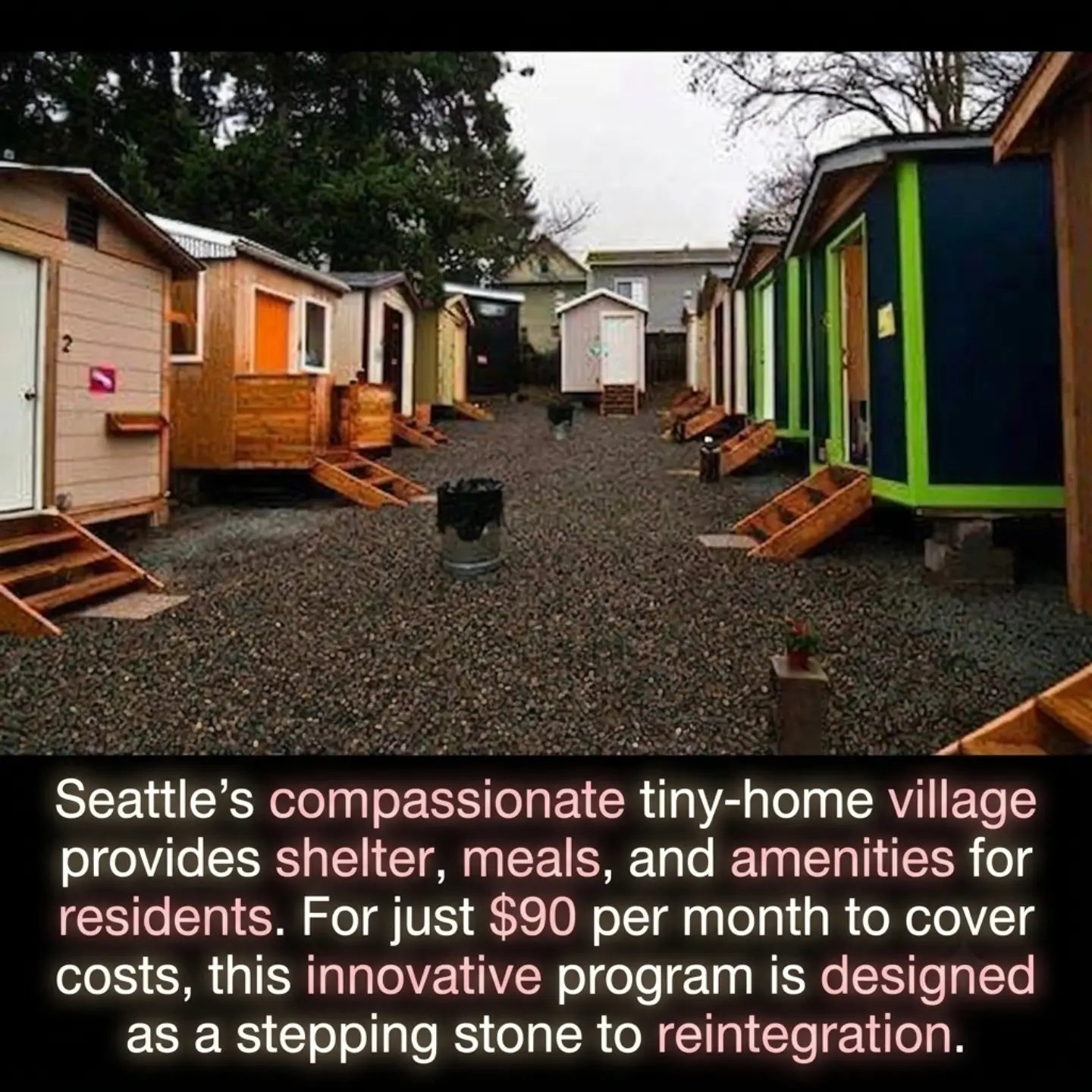
Tiny Home Villages: A Revolutionary Approach to Housing and Community Support
Tiny home villages, such as the one in Seattle, are gaining traction as an innovative solution to address homelessness and provide a pathway to stability. These villages offer more than just temporary shelter; they provide a supportive environment that helps residents reintegrate into society.
Context / Why This Matters
Homelessness is a complex issue that requires multifaceted solutions. Traditional shelters often fall short in providing the long-term support needed for individuals to transition back into stable living situations. Tiny home villages, on the other hand, offer a more comprehensive approach by combining immediate shelter with essential amenities, meals, and community support.
Main Discussion
The Seattle Model
Seattle's tiny home village stands out as a beacon of hope for those in need. The village is composed of small, colorful houses arranged around a communal courtyard. This design fosters a sense of community and belonging, which is crucial for residents' well-being and eventual reintegration into society.
Affordability and Accessibility
One of the most notable aspects of this model is its affordability. Residents pay just $90 per month to cover basic operational costs. This low cost makes the program accessible to those who might otherwise struggle to afford housing. The monthly fee helps maintain the village's amenities and ensures that operational costs do not become a barrier for residents.
Comprehensive Support
Beyond providing safe shelter, the tiny home village offers daily meals, essential amenities like restrooms and showers, and support services aimed at aiding reintegration. These amenities help create a stable environment where residents can focus on improving their lives. The village's emphasis on community and support services sets it apart from traditional shelters, where residents often lack the resources and connections needed for long-term stability.
The Importance of Community
The community aspect of these tiny home villages cannot be overstated. Being part of a supportive community can greatly enhance an individual's ability to overcome challenges and build a better future. The communal spaces in the village encourage social interaction, mutual support, and a sense of belonging. Many residents find that the community support they receive is just as important as the physical shelter.
Innovative Design and Sustainability
The design of the tiny homes and the village layout are both practical and sustainable. The small, efficient living spaces are built to be energy-efficient and environmentally friendly. This focus on sustainability not only reduces the overall cost of maintaining the village but also aligns with broader community goals of environmental responsibility.
Success Stories
Many residents of Seattle's tiny home village have shared stories of how the program has transformed their lives. They highlight the importance of having a stable, safe space to rebuild their lives, as well as the supportive community that helps them navigate the challenges of reintegration. These success stories underscore the potential of tiny home villages as a viable and effective solution to homelessness.
Practical Tips
For those interested in starting or supporting a tiny home village:
Assess Community Needs
Understand the specific needs and challenges of your community. Determine what kinds of support services will be most beneficial for residents. Community surveys and partnerships with local organizations can provide valuable insights.
Develop a Sustainable Plan
Create a sustainable financial plan that ensures the village can operate in the long term. This might involve securing grants, donations, and other funding sources. Additionally, consider the environmental impact of the village and design it to be as sustainable as possible.
Foster a Supportive Community
Encourage a sense of community among residents. This can be achieved through communal spaces, shared meals, and community events. A supportive environment can greatly enhance residents' well-being and their chances of successful reintegration.
Important Takeaways
Tiny home villages like the one in Seattle demonstrate how innovative, community-focused solutions can address homelessness effectively. By providing affordable shelter, essential amenities, and support services, these villages help residents rebuild their lives and reintegrate into society.
Conclusion
The tiny home village model represents a fresh approach to tackling homelessness. By prioritizing affordability, sustainability, and community support, these villages offer a promising path to long-term stability for those in need. As more cities explore similar initiatives, it's clear that community-focused solutions can make a significant difference in bridging the gap between homelessness and stable living.
Watch the Reel
Questions readers ask
How does the Tiny Home Village in Seattle differ from traditional homeless shelters?
The Tiny Home Village in Seattle offers more than temporary shelter. It provides a supportive community environment with amenities such as meals, and access to essential services, fostering a sense of belonging and aiding in the reintegration process. Unlike traditional shelters, it aims to create a long-term pathway to stability.
What kind of support services are available at the Tiny Home Village in Seattle?
The Tiny Home Village in Seattle provides a range of support services, including access to case management, employment resources, healthcare and mental health services. These services are designed to help residents address the underlying issues contributing to their homelessness and work towards self-sufficiency.
How does the community-centered approach benefit residents of the Tiny Home Village in Seattle?
The community-centered approach fosters a sense of belonging and mutual support among residents. This can significantly improve mental well-being and encourage residents to take an active role in their reintegration journey. It also provides opportunities for peer support and collaboration.
What amenities are typically provided in a Tiny Home Village like the one in Seattle?
Amenities in a Tiny Home Village like Seattle's often include shared kitchens, laundry facilities, and communal spaces. Some villages also offer resources like computers for job searches, and storage units for personal belongings, enhancing the quality of life for residents and promoting self-sufficiency.
Are there costs associated with living in the Tiny Home Village in Seattle?
While the costs can vary, many Tiny Home Villages, including Seattle's, operate on a low-income housing model. Residents typically contribute a portion of their income towards rent, but the goal is to keep costs affordable and manageable. Some villages may also provide rent waivers or subsidies for those who cannot afford to pay.
How does living in a Tiny Home Village help with rebuilding lives?
Living in a Tiny Home Village provides a stable environment which can be crucial for personal growth and development. The supportive community and access to essential services help residents address the challenges that led to their homelessness, develop life skills, and work towards securing permanent housing and employment.
What role do volunteers play in the operation of Seattle's Tiny Home Village?
Volunteers are integral to the operation of Seattle's Tiny Home Village. They assist with various tasks, such as preparing meals, organizing community events, and providing mentorship. Their involvement helps to create a welcoming atmosphere and supplement the services provided by professional staff.
Recent articles
Fresh deep dives from the latest Reels we unpacked.




Comments
Be the first to comment.